
Reviewed · COOKING CLASSES
Yogyakarta Cooking Class and Market Tour
Come hungry, leave with new recipes. This Yogyakarta experience combines a traditional market, a rice plantation, and a family-style cooking class in Bantul. I like the market shopping, where you help choose vegetables, herbs, meat, and spices, and I like the chance to prepare food in a local home rather than simply watch a demonstration. The main consideration is that the cooking instruction may feel light for anyone expecting a formal culinary school lesson.
The class costs $35 per person and lasts about three hours, with hotel pickup and drop-off in Yogyakarta included. You prepare one starter, four main dishes, and one traditional dessert, then eat the meal you helped make. That is a generous amount of food and a fair price, though the exact level of hands-on instruction can vary with the chef and group.
In This Review
- Key points at a glance
- From your Yogyakarta hotel to the morning market
- Seeing how rice reaches the table
- Entering a village home in Bantul
- Cooking tumpeng and a full Javanese meal
- Lunch tastes better when you helped make it
- What the $35 price really buys you
- Who will enjoy this experience most
- Who may want a different cooking class
- Practical details before you book
- Should you book the Yogyakarta cooking class?
- FAQ
- How long does the Yogyakarta cooking class and market tour last?
- What is included in the price?
- Is hotel pickup available?
- How many people can join the class?
- What dishes will I prepare?
- Will I visit a traditional market?
- Can I cancel for a full refund?
Key points at a glance
- Shop before you cook: Visit a traditional market and help select the ingredients used in class.
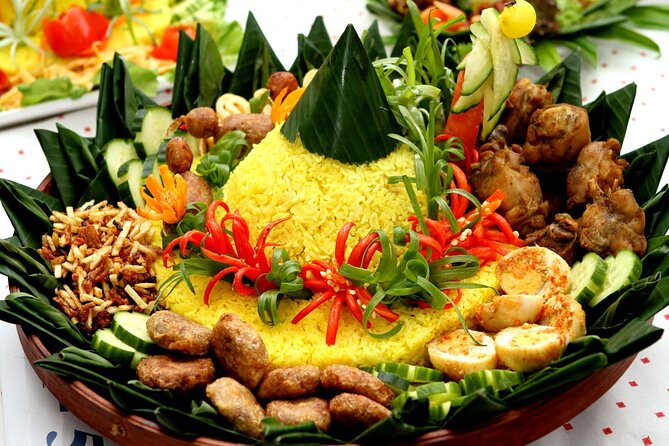
- Tumpeng has meaning: Learn to prepare yellow rice linked to older ceremonial offerings to the gods.
- A village setting: Continue to Bantul for a cooking session in a local home.
- A full meal included: Prepare one starter, four main courses, and one dessert, then sit down to eat.
- Small enough to feel personal: The group limit is 15, while some bookings have been private.
- Useful drink break: Try homemade hibiscus tea or wedang uwuh, a traditional spiced drink described here as an eucalyptus drink.
From your Yogyakarta hotel to the morning market
The day begins with pickup from your hotel in Yogyakarta. That removes one of the common headaches of a food class: finding a meeting point in an unfamiliar part of town. Pickup and drop-off are included, but you should still confirm the timing and keep WhatsApp available. One booking specifically found WhatsApp useful for communication.
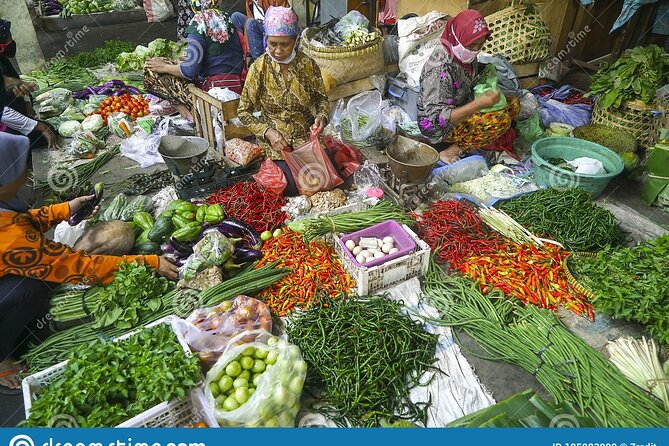
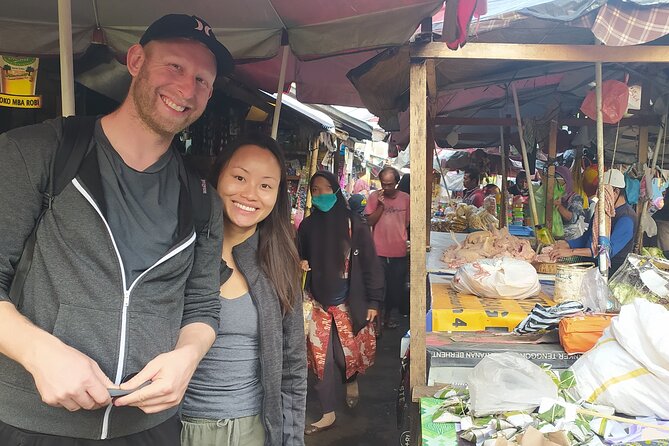
The market visit is not just a supply run. You get to see how an everyday Javanese kitchen begins, with ingredients chosen from what is fresh and available that day. You may select vegetables, herbs, meat, and spices while your guide explains their place in the meal.
This is the part I value most if you want food connected to daily life. Supermarket shelves tell you what a country exports. A traditional market shows you what people actually cook. The activity is also practical: after seeing the ingredients in their raw form, you have a better chance of recognizing them later in a recipe or another Indonesian meal.
Do not expect a long guided market lecture. The available details describe a visit and ingredient selection rather than a formal market history tour. If you want a detailed explanation of every spice, ask questions as you shop. The chef is there to introduce Indonesia’s herbs and spices, and the quality of the experience will depend partly on how much conversation you encourage.
More Cooking Classes in Yogyakarta:
- Ubud Cooking Class Bali with Balinese Chef
★ 5.0 · 1,609 reviews - PRIVATE Authentic Balinese Cooking Class in Ubud at Putu’s Home
★ 5.0 · 644 reviews - Balinese Ubud cooking school (9 Dish Cooking and Market Tour)
★ 5.0 · 540 reviews
Seeing how rice reaches the table
After the market, the route includes a rice plantation. You learn how this staple crop is cultivated and prepared, with time to enjoy the surrounding views. The rice stop gives useful context to the cooking class, since rice is not a side note in Java. It is central to the meal and to the story of tumpeng.
The schedule does not give a precise length for the plantation visit. Think of it as a short cultural and agricultural stop within the half-day outing, not a separate farm tour. If you are especially interested in farming, you may want to ask how much time is available before the class begins.
This stop also helps connect the class to the countryside around Yogyakarta. The experience moves from the city hotel to a market, then through rice-growing country and on to a village in Bantul. That change of setting is part of the value. You are not only learning a recipe in a kitchen; you are seeing a little of the food chain behind it.
Entering a village home in Bantul
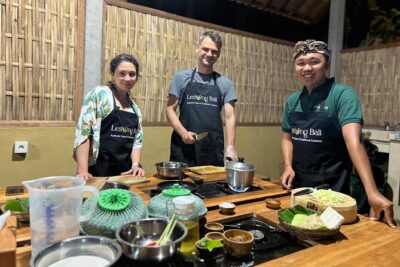
The cooking class takes place in the traditional village of Bantul, where local people welcome you on arrival. Several accounts describe cooking in a family home, with a comfortable and friendly atmosphere. One family even helped a participant who was feeling unwell by preparing tea and offering a place to rest.
That kind of welcome is an important part of the outing. You sit down to cook and eat in a lived-in setting, rather than in a polished restaurant designed for tourists. One couple found the class especially appealing because they were alone, giving the session a private feel. Group size can reach 15, so you should not assume every departure will be private.
The home setting also brings a little unpredictability. The class may feel relaxed and personal, but it may not have the equipment, pace, or tightly planned structure of a professional cooking studio. If you want a precise lesson with exact measurements and a lot of independent experimentation, set your expectations accordingly.
Cooking tumpeng and a full Javanese meal
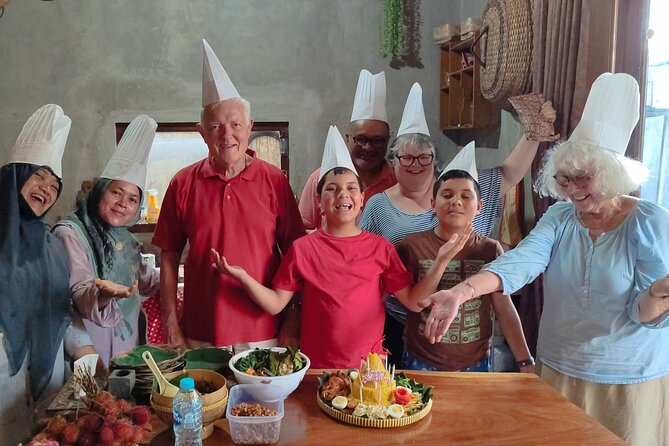
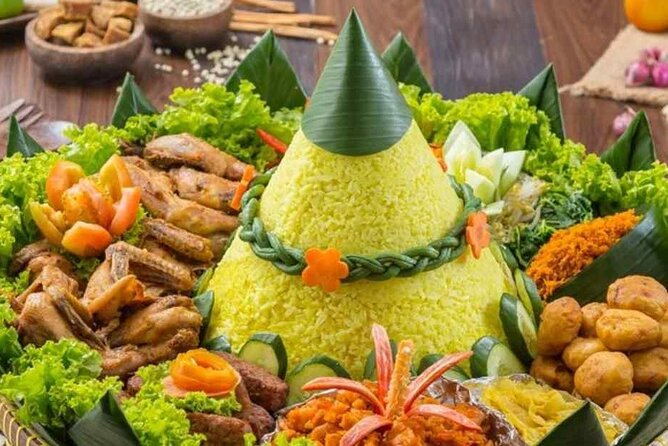
The signature dish is tumpeng yellow rice. This cone-shaped rice preparation has ceremonial meaning and was traditionally associated with offerings to the gods. Here, the dish gives the class a cultural center, so you learn not only how to cook it but also why it matters.
The chef introduces the special spices and herbs of Indonesia, then guides you through the preparation of a Java-style meal. The planned menu includes one starter, four main courses, and one authentic dessert. That is a substantial menu for a three-hour class, and it explains why the experience is best approached as a shared cooking session rather than a slow lesson focused on one recipe.
You should expect to chop, mix, season, and help prepare the dishes, with the chef providing assistance. The exact balance of demonstration and participation can vary. One participant felt there was too little explanation and not enough room for creative choices, while other experiences found the instructions clear and easy to follow.
That difference is worth taking seriously. This class is a good fit if you want to make and eat several Indonesian dishes in a friendly setting. It may be less satisfying if your main goal is advanced technique, recipe testing, or complete control over every step.
The teachers named in the available feedback include Arma and Desy, also written as Desi in one account. Arma was praised for combining cooking with stories about Yogyakarta and Indonesia. Desy was described as patient and effective, especially when introducing different ingredients and cooking methods. Since more than one chef appears to lead the class, the tone may differ from one booking to another.
More market visits in Yogyakarta:
- Active Volcano, Rice Field, Hot Spring, Fruit market, Tea Plantation with Lunch
★ 5.0 · 513 reviews - Balinese Cooking class with traditional morning market visit
★ 5.0 · 161 reviews - PRIVATE Ubud Market Tour & Balinese Cooking Class with Putu
★ 5.0 · 125 reviews - Ubud Cooking Class with Optional Market Visit Pickup Included
★ 5.0 · 70 reviews
Lunch tastes better when you helped make it
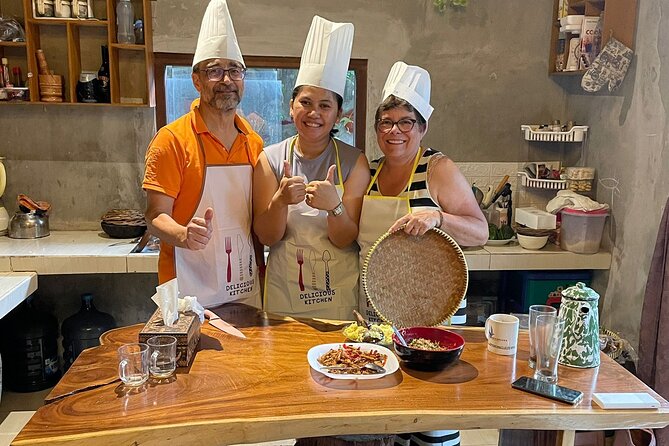
Once the cooking is finished, you sit down to eat your creations. Lunch is included, and the menu is large enough that you should arrive hungry. The food has been described as very tasty, with families and couples enjoying the final meal together.
Eating at the same home where you cooked gives the meal a warm, social finish. You can review the dishes with the chef, ask about flavors, and compare the different preparations. The class description also promises more insights and discussion over the meal, so this is a good time to ask about substitutions or serving traditions.
Drinks add a small but pleasant touch. You may be served homemade hibiscus tea or wedang uwuh, a traditional Indonesian drink described in the tour information as an eucalyptus drink. The drink is part of the cultural introduction, not a separate tasting session, but it helps round out the meal.
The food quantity is one of the strongest practical points. You prepare six parts of a meal in total, including the dessert, and then eat lunch or dinner. If you have dietary restrictions, the supplied information does not explain how substitutions are handled, so contact the operator before booking rather than relying on changes at the kitchen.
What the $35 price really buys you

At $35 per person, the price covers the English-speaking chef or teacher, ingredients, recipe, market tour, meal, and hotel pickup and drop-off in Yogyakarta. That is good value if you would otherwise pay separately for transport, a market visit, and lunch.
The value is not just the amount of food. You also receive access to a local home, an introduction to ingredients, a rice-growing stop, and background on Javanese cooking. The recipe booklet gives you something concrete to take home, though the quality of your future cooking will depend on how much you write down and ask during class.
A group discount is available, and the maximum group size is 15. For solo visitors, a group booking can make the price attractive and add a social element. For couples or families, the price buys a shared activity that includes transport and a complete meal.
The trade-off is instruction depth. The class offers variety and cultural contact, not a guaranteed master lesson. If you value a relaxed home visit, the price is strong. If you want a tightly structured professional workshop, you may prefer a more specialized cooking school.
Who will enjoy this experience most
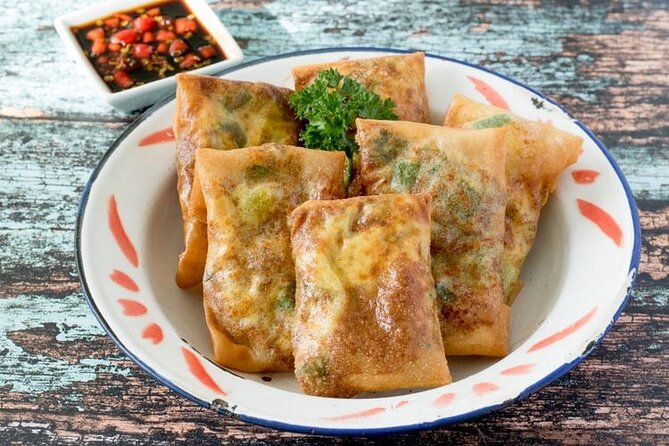
I would recommend this outing to people who want food, conversation, and a look at ordinary life around Yogyakarta. It works especially well for couples, families, and first-time visitors who want an activity that combines several parts of the region in one morning or afternoon.
Families can benefit from the simple rhythm: shop, visit the rice plantation, cook, and eat. A child who is less interested in a formal museum may enjoy choosing ingredients and helping prepare lunch. The family setting also gives the day a more personal feel.
It suits vegetarians or meat eaters only if the menu can be adjusted to your needs. The listed ingredients include vegetables, herbs, meat, and spices, but no fixed menu or dietary policy is provided. Ask before booking if you need a specific menu.
Food lovers who enjoy learning through conversation should also find plenty to appreciate. The best moments may come from questions about the market ingredients, tumpeng, local customs, or the story behind a particular spice.
Who may want a different cooking class
You may want another option if you dislike shared cooking or need exact timing. The group can include up to 15 people, and the class is scheduled for about three hours, so some parts may move quickly.
This is also not the ideal pick if you want complete creative freedom. One account found the instructions limited and felt there was not enough room to change or invent dishes. The chef leads the preparation, and the menu is set around a traditional meal.
You should also be realistic about the itinerary. The tour includes a market, a rice plantation, a village visit, cooking, and a meal in roughly three hours. That creates a varied day, but no single stop can receive unlimited attention. The experience favors breadth and cultural contact over a long, technical lesson.
Practical details before you book
Confirmation is provided at the time of booking. Most people can participate, and the group limit is 15. Hotel pickup and drop-off apply to hotels in Yogyakarta, so provide clear accommodation details when arranging the experience.
The tour can be booked around 24 days ahead on average, which suggests that planning early is sensible if your schedule is fixed. Free cancellation is available up to 24 hours before the start time for a full refund. Changes or cancellations inside that 24-hour window are not accepted for a refund, and the cut-off uses local time.
Wear clothing that is comfortable for cooking and easy to move in. The supplied details do not specify a dress code or equipment list, so ask the operator if you need to know what the kitchen provides. Bring your appetite, and consider carrying a small amount for personal expenses, since those are not included.
Should you book the Yogyakarta cooking class?
Book it if you want a friendly, food-centered introduction to Java that includes more than a recipe lesson. The market, rice plantation, village home, ceremonial tumpeng, and shared meal give the three hours a strong sense of place.
I would choose this experience for its combination of local hospitality and a generous meal, not because it promises advanced culinary training. The best fit is a curious eater who enjoys asking questions, trying unfamiliar ingredients, and cooking with a guide such as Arma or Desy.
Skip it if you need a private class guaranteed in advance, detailed technical instruction, or a fully flexible menu. For everyone else, $35 is a sensible price for transport, ingredients, teaching, a market visit, and lunch, with the added pleasure of meeting a welcoming local family.
FAQ
How long does the Yogyakarta cooking class and market tour last?
The experience lasts approximately three hours.
What is included in the price?
The price includes an English-speaking chef or teacher, all ingredients, a recipe, the market tour, lunch, and hotel pickup and drop-off in Yogyakarta.
Is hotel pickup available?
Yes. Pickup and drop-off are offered at hotels in Yogyakarta.
How many people can join the class?
The maximum group size is 15 people.
What dishes will I prepare?
You will prepare one starter, four main courses, and one authentic dessert. Tumpeng yellow rice is specifically included in the cooking experience.
Will I visit a traditional market?
Yes. You visit a local fresh food market and help choose vegetables, herbs, meat, and spices for the class.
Can I cancel for a full refund?
Yes, if you cancel at least 24 hours before the experience start time. Cancellations or changes made less than 24 hours before the start time are not accepted for a refund.
More Shopping Tours in Yogyakarta
- Balinese Cooking Class with Traditional Market Tour
★ 5.0 · 66 reviews - Ubud Experience ; Swing, Waterfalls, Art Market, Rice Terrace
★ 5.0 · 56 reviews - Jakarta City Tour: Shopping & Culinary Experience
★ 4.5 · 15 reviews - Bali Arts shopping with temples-waterfall visit.
★ 5.0 · 6 reviews
Just added around Yogyakarta
- Borobudur Private Tour From Semarang Port★ 4.5 · 12 reviews
- Borobudur: Village Tour with Pottery and Tofu Making★ 5.0 · 34 reviews
- Chicken Church at Karangrejo Village Admission Ticket★ 4.5 · 3 reviews
- Chicken Church Local Attraction Near Of Borobudur Temple★ 3.5 · 18 reviews
- Borobudur Temple Combined Ticket Admissions★ 5.0 · 7 reviews
- Private Borobudur Village Trip By Volkswagen Safari★ 5.0 · 3 reviews
- Yogyakarta: Borobudur Temple Climb Up and Prambanan Temple Tour★ 5.0 · 53 reviews
- Borobudur: Pottery Making Workshop★ 5.0 · 5 reviews
Cooking Classes, compared.
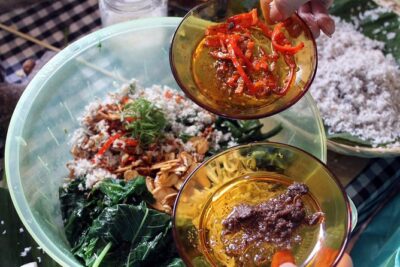
PRIVATE Authentic Balinese Cooking Class in Ubud at Putu’s Home
Read our review →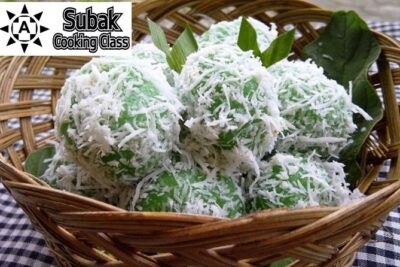
Balinese Ubud cooking school (9 Dish Cooking and Market Tour)
Read our review →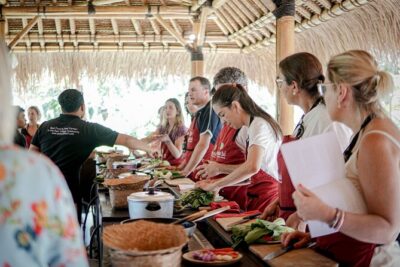
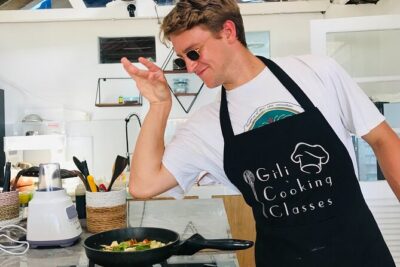
Learn to cook Indonesian food at Gili Cooking Classes Trawangan
Read our review →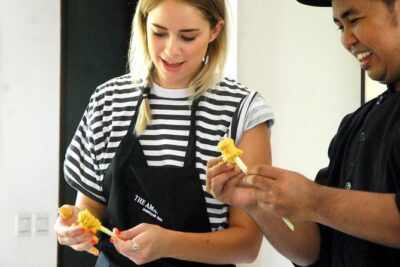
Browse the lists this tour appears in