
Reviewed · BOROBUDUR TOURS
Borobudur: Village Tour with Pottery and Tofu Making
Borobudur has more to offer than its temple. This 2 to 3 hour village tour takes you into the local communities around Borobudur, where you can watch pottery being made, try your hand at clay work, and learn about handmade batik. The route also connects with local food traditions, including tofu, coffee, and rice snacks.
I like the tour’s hands-on approach and its use of local residents as guides. You are not simply driven past village homes and workshops. You get to practice making something, meet the people who keep these crafts going, and see a side of Central Java that a temple visit alone cannot provide. The main drawback is that the advertised price of $79 does not include meals or entrance fees, and the exact mix of stops beyond pottery and batik may vary.
In This Review
- Key points to know before booking
- Why this village tour adds something to Borobudur
- Gerabah Klipoh: getting your hands into the clay
- Tingal Wanurejo: a short introduction to handmade batik
- Tofu, coffee, and rice snacks on the village route
- Seeing Borobudur from the villages
- How the $79 price measures up
- Timing, meeting point, and practical details
- Who will enjoy this Borobudur experience?
- Should you book the pottery and village tour?
- FAQ
- How long does the Borobudur village tour last?
- Where does the tour begin?
- Where does the tour end?
- Is this a private tour?
- Is pottery included?
- Is batik included?
- Are meals included?
- Can I cancel for a full refund?
Key points to know before booking
- Pottery in Gerabah Klipoh: Spend about 40 minutes at a pottery village, watching clay work and trying to make your own small handicraft.
- Batik practice in Tingal Wanurejo: A 30-minute stop introduces handmade batik and gives you a chance to learn and practice.
- Local food can be part of the route: The experience connects with artisanal tofu, coffee, and rice snacks, though the supplied schedule lists pottery and batik as the named stops.
- A private outing: Only your group participates, which makes it easier to ask questions and work at your own pace.
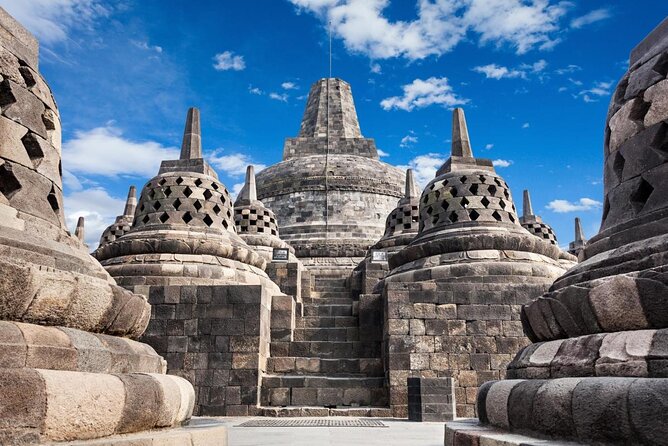
- Temple-area views: The route can include views of Borobudur Temple while showing you the villages around it.
- Easy cancellation: You can receive a full refund if you cancel at least 24 hours before the start time.
Why this village tour adds something to Borobudur
Borobudur Temple is the main reason most people come to this part of Central Java. It deserves the attention, but the nearby villages give you a better sense of daily life in the area. This tour shifts the focus from carved stone and ancient religious art to pottery wheels, cloth, food, and family-run craft work.
I like that the experience treats local traditions as something you can try, not just something you photograph. Making pottery or practicing batik gives you a small lesson in patience. These crafts look simple until your hands are involved. Clay can collapse, and a pattern can go crooked in a hurry.
The local guide is central to the experience. The guides live near Borobudur and can explain the area from a local point of view. That matters because the tour is not built around a formal museum presentation. It is a walk and workshop-style visit through communities where people still practice these skills.
The outing is private, so your group does not have to share the activity with a large busload of people. That is useful when you are working with clay or asking questions. Families, couples, and small groups should find the format more relaxed than a standard group excursion.
More Borobudur trips:
- Borobudur Sunrise from setumbu Hill , Merapi Volcano & Prambanan Full Day Tour
★ 5.0 · 1,030 reviews - Borobudur Temple Climb To The Top & Prambanan Temple – 1 day tour
★ 5.0 · 638 reviews - Yogyakarta: Borobudur Top Access & Prambanan Temple Private Tour
★ 5.0 · 390 reviews
Gerabah Klipoh: getting your hands into the clay
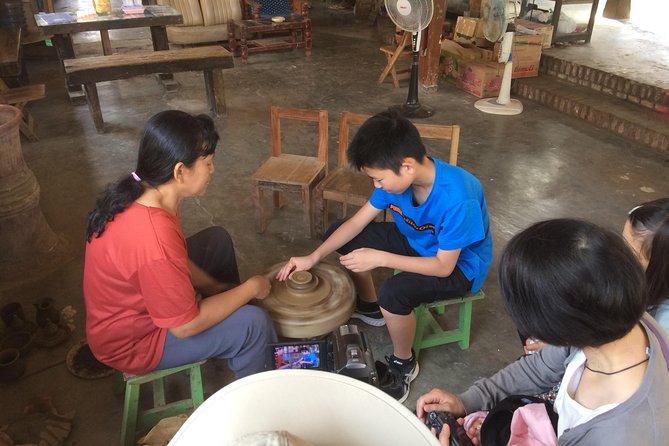
The first named stop is Gerabah Klipoh, a pottery village known for clay handicrafts. You have about 40 minutes here, with admission included. That is enough time for a short demonstration and a basic attempt at making something yourself.
The value of this stop is not the finished object. Unless you already work with clay, your piece may be uneven or slightly lopsided. That is part of the fun. The activity lets you feel how much control and practice are needed to create the bowls and other forms that look effortless in a workshop.
You can expect the stop to include an explanation of the craft, a look at handmade pottery, and an opportunity to practice. The tour description specifically encourages you to make your own handicraft, so wear something you do not mind getting dusty or marked with clay.
The 40-minute timing is a good fit for a short cultural tour. You get a real activity without spending half a day on one craft. Still, pottery is a process, and you should not expect a long lesson or a fully finished piece ready to pack in your suitcase.
This is also one of the more personal parts of the route. A local craft worker can show you the difference between watching pottery and shaping it. You may find that the simple act of centering clay becomes the most memorable part of the morning.
Tingal Wanurejo: a short introduction to handmade batik
The second named stop is Tingal Wanurejo in the Borobudur area of Magelang. The scheduled visit lasts about 30 minutes, and admission is not included. Here you learn about handmade batik and have the chance to practice.
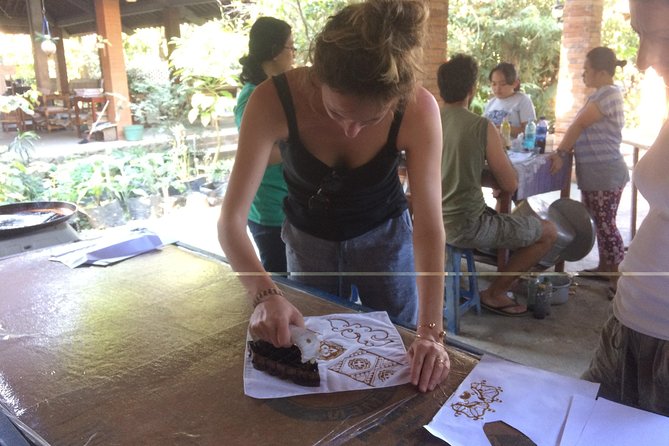
Batik is not just printed fabric. The appeal of this stop is seeing how a decorative pattern is created by hand and then trying the technique yourself. The brief workshop gives you a working sense of the care involved, even if you only complete a small section or simple design.
Thirty minutes passes quickly. I would treat this as an introduction rather than a full batik class. If you are hoping to produce a detailed textile, this may feel short. If you want a first look at the craft and a chance to handle the tools or materials, the time should be enough.
The stop also adds variety. Pottery works with earth and shape. Batik works with cloth and pattern. Together, the two activities show different sides of village craftsmanship and help prevent the tour from feeling like a single workshop repeated twice.
Because the batik admission fee is not included, ask your guide what extra cost applies before you begin. The tour price also excludes meals and other entrance fees, so keep a little money available.
Tofu, coffee, and rice snacks on the village route
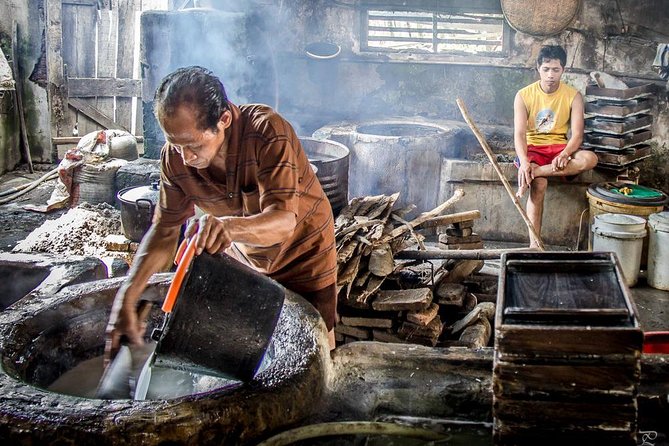
The tour title highlights pottery and tofu, while the detailed schedule names pottery and batik. The broader description and past visitor experiences also point to artisanal tofu, coffee, and traditional rice snacks. That suggests the route can introduce you to several small local industries, but you should confirm the exact food stops when you book or meet your guide.
If tofu is included during your visit, it gives you a useful look at a familiar Indonesian food before it reaches a restaurant table. Sampling local food is often the quickest way to connect a cultural outing with ordinary life. Coffee and rice snacks add another layer, showing how village producers use local skills and ingredients to make goods for the community.
Do not book this as a food tour. Meals are not included, and the supplied schedule does not promise a full tasting program. Think of food sampling as a possible part of the village route rather than the main event.
The changing mix of workshops may be a benefit for some people and a concern for others. It lets the guide respond to local availability and your group’s interests, but it also means you may not receive a fixed, minute-by-minute program. Ask at the start which activities are planned that day.
A few more Borobudur trips worth comparing
- Borobudur(climb up), Merapi Volcano and Prambanan Temple Tour
★ 5.0 · 297 reviews - Yogyakarta: Borobudur Climb-up & Prambanan Day Trip All Inclusive
★ 5.0 · 226 reviews - Yogyakarta: Borobudur (climb), Prambanan & Other Visit By Request
★ 5.0 · 211 reviews - 1 Day Yogyakarta tour ( Borobudur temple, Merapi Lava Tour, Prambanan Temple)
★ 5.0 · 144 reviews
Seeing Borobudur from the villages
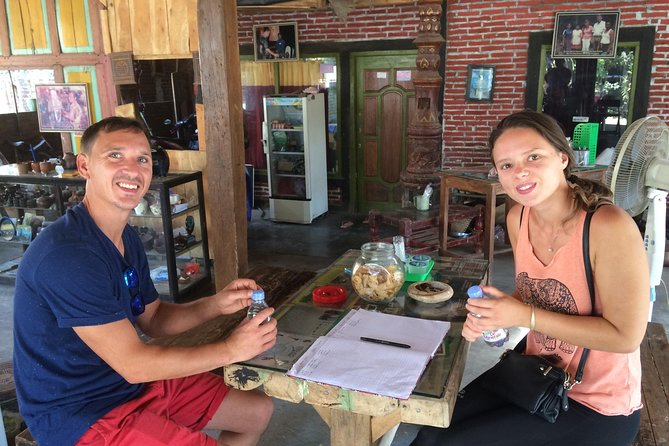
The tour includes the chance to see Borobudur Temple while following the local guide around the surrounding area. This is not a substitute for entering the temple complex. Entrance fees are not included, and the schedule does not list a temple visit as one of the stops.
That distinction is important. If your main goal is to climb Borobudur or spend several hours studying its reliefs, you need a separate temple plan. This tour works better before or after a temple visit, when you want to understand the communities around the monument.
Seeing the temple from nearby villages can also change your sense of place. Instead of viewing Borobudur as an isolated monument, you connect it with the homes, workshops, and local businesses that form the modern setting around it. The temple remains the headline attraction, but the village route supplies the human scale.
Complimentary bottled water is provided during the activity. That is a small but useful touch, particularly if you are moving between stops in warm weather. You should still dress for an outdoor village outing and choose practical clothing for hands-on craft work.
How the $79 price measures up

At $79, this is not the cheapest way to see villages around Borobudur. The value depends on how much you want from the guide and the private format. You are paying for a local-led cultural outing, organized visits to craft communities, practical activities, and a route that can include more than one village tradition.
The price makes more sense for a small group. Since only your group participates, you can share the cost and gain a more personal visit. Group discounts are available, so check the final price for your party before deciding.
The included bottled water is useful, but it is not a major part of the value. Meals are excluded, as are entrance fees. The batik stop specifically lists admission as not included, so you should treat the $79 as the base cost rather than the total cost of the day.
I would consider this a reasonable purchase if you value access and explanation more than transportation alone. You are not simply buying a ride around the villages. The strongest part is the chance to work with local materials and have a guide connect the activities to life near Borobudur.
For a solo visitor, the cost may feel high for a 2 to 3 hour outing. For a couple or family, especially with a group discount, the private setup can make the price easier to justify.
Timing, meeting point, and practical details
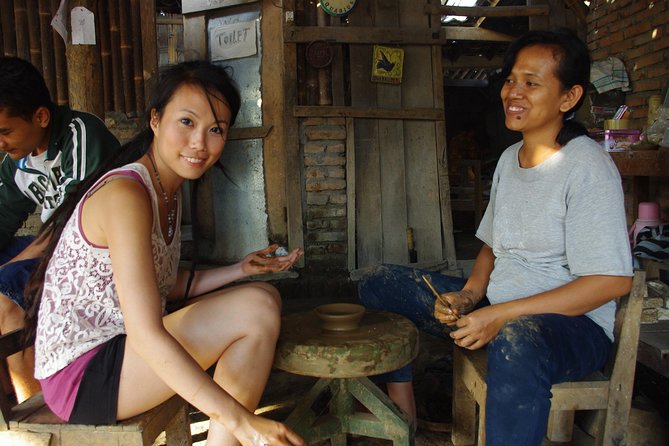
The tour starts at Jl. Balaputradewa No.55, Dusun XVI, Borobudur, Magelang, Central Java 56553. It ends back at the same meeting point, which simplifies planning if you are staying nearby or arranging other transport afterward.
The duration is approximately 2 to 3 hours. The named activities account for about 70 minutes, with the remaining time likely used for moving between village stops, explanations, and any additional local experiences. Do not schedule a tight connection immediately afterward.
Mobile tickets are available, and booking confirmation is provided at the time of reservation. The meeting area is near public transportation. The activity is described as suitable for most people, though pottery and batik involve hands-on participation, standing, and movement between stops.
The tour is private, but that does not mean the workshops themselves are private businesses reserved only for your group. You are visiting local craft settings, so the pace may be shaped by the people teaching you and by what is being made that day.
The cancellation policy is friendly: cancel at least 24 hours before the local start time for a full refund. Cancellations or changes made less than 24 hours before the start time are not accepted for a refund.
Who will enjoy this Borobudur experience?
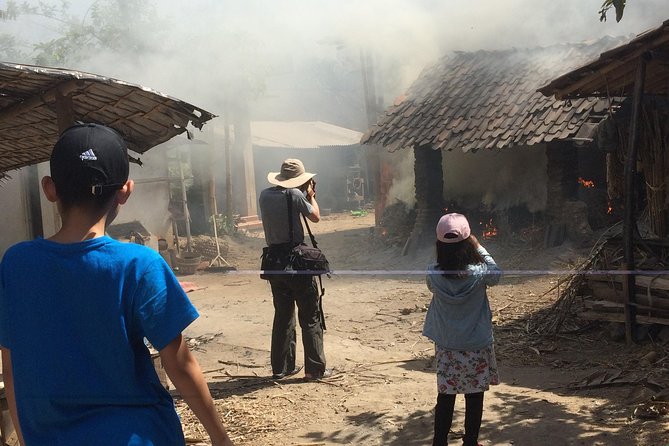
I would recommend the tour to you if you want to:
- Add local culture to a Borobudur temple visit
- Try pottery or batik instead of only watching demonstrations
- Meet local craft workers through a private guide
- Travel with family or a small group
- See several village traditions in a short period
- Explore beyond the main monument without committing to a full-day excursion
It is especially well suited to families because the activities are concrete and easy to understand. Children may enjoy shaping clay or making a simple batik design more than listening to a long historical explanation.
It also suits visitors who prefer informal cultural contact. You are not being sent through a large exhibition hall with signs at every turn. The experience depends on conversation, demonstration, and participation.
I would hesitate to recommend it if you want a precise schedule, a full meal, or a long professional craft class. The route has a short duration, extra costs may apply, and the food elements are not clearly guaranteed as named stops.
The published score is 5/5 from 34 ratings, with 100 percent recommending the experience. That matches the strongest features of the tour: friendly local hosts, practical activities, and a pleasant ride or walk through the villages around Borobudur.
Should you book the pottery and village tour?
Book it if you have already planned your temple visit and want to see how people live and work nearby. The pottery workshop at Gerabah Klipoh is the clearest reason to go, while the batik session and possible tofu, coffee, and rice snack stops add variety.
Before paying, confirm the day’s exact route, the extra cost for batik admission, and whether tofu or food sampling is included. If those details suit your plans, the private format and local guidance make this a useful 2 to 3 hour addition to Borobudur.
Skip it if you only have time for the temple itself or if you expect a full culinary tour. For everyone else, this is a practical way to trade a few hours of sightseeing for clay on your hands, cloth under your fingertips, and a better sense of the communities around Central Java’s great monument.
FAQ
How long does the Borobudur village tour last?
The activity lasts approximately 2 to 3 hours.
Where does the tour begin?
It begins at Jl. Balaputradewa No.55, Dusun XVI, Borobudur, Magelang, Central Java 56553, Indonesia.
Where does the tour end?
The activity ends back at the meeting point.
Is this a private tour?
Yes. Only your group participates in the activity.
Is pottery included?
Yes. The visit to Gerabah Klipoh includes admission and pottery practice.
Is batik included?
The tour includes a visit to handmade batik and an opportunity to learn and practice. Admission to the batik stop is not included.
Are meals included?
No. Meals are not included. The experience may include contact with artisanal tofu, coffee, or rice snacks, but meals are excluded.
Can I cancel for a full refund?
Yes. You must cancel at least 24 hours before the experience start time for a full refund. Changes or cancellations made less than 24 hours before the start time are not accepted.
Just added around Borobudur
- From Semarang Port: Borobudur Temple Private Shore Excursion★ 5.0 · 11 reviews
- Borobudur Private Tour From Semarang Port★ 4.5 · 12 reviews
- Chicken Church Local Attraction Near Of Borobudur Temple★ 3.5 · 18 reviews
- Borobudur Temple Combined Ticket Admissions★ 5.0 · 7 reviews
- Private Borobudur Village Trip By Volkswagen Safari★ 5.0 · 3 reviews
- Yogyakarta: Borobudur Temple Climb Up and Prambanan Temple Tour★ 5.0 · 53 reviews
- Borobudur: Pottery Making Workshop★ 5.0 · 5 reviews
- Borobudur Private Excursion From Semarang (Upper level access)★ 5.0 · 35 reviews
Borobudur Tours, compared.
Borobudur Sunrise from setumbu Hill , Merapi Volcano & Prambanan Full Day Tour
Read our review →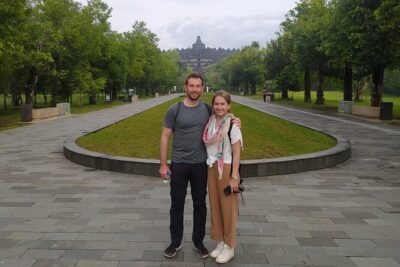
Borobudur Temple Climb To The Top & Prambanan Temple – 1 day tour
Read our review →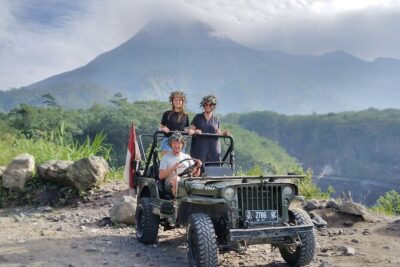
Borobudur Top Access & Prambanan Temple Private Tour
Read our review →
Borobudur(climb up), Merapi Volcano and Prambanan Temple Tour
Read our review →
Borobudur Climb-up & Prambanan Day Trip All Inclusive
Read our review →
Borobudur (climb), Prambanan & Other Visit By Request
Read our review →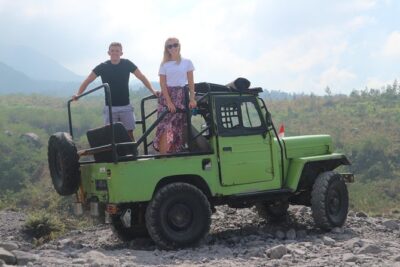
1 Day Yogyakarta tour ( Borobudur temple, Merapi Lava Tour, Prambanan Temple)
Read our review →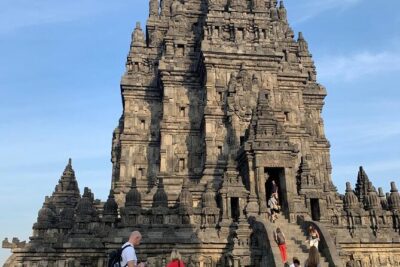
Borobudur ClimbUP guaranteed (sunrise option)& Prambanan Day Tour
Read our review →Browse the lists this tour appears in