Reviewed · TICKETS
Nusa Dua: Museum Pasifika Admission Ticket with Audio Guide
Quiet art, big Pacific stories. Museum Pasifika gives you a calm break from Nusa Dua’s resort zone, with more than 600 paintings and sculptures by about 200 artists. I especially like the strong Indonesian collection and the rare Pacific Ocean sculpture rooms. The $7 price is easy to justify if you enjoy art, though the building’s open doors and humid air may concern you.
The museum is peaceful, spacious, and wheelchair accessible. A verified visit described it as nice and quiet, while another found the experience underwhelming because some works seemed poorly protected and there was no air conditioning. I would treat this as a modest, self-guided museum visit, not a grand national gallery.
In This Review
- Key points to know before you go
- What Museum Pasifika feels like in Nusa Dua
- The Indonesian rooms offer the clearest sense of place
- Indo-European artists show Bali through outside eyes
- The Hanoi school adds an Asian connection
- The Pacific sculpture collection is the museum’s main draw
- The Western artists exhibition brings a surprise
- Using the audio guide without rushing
- What the $7 ticket really includes
- Practical details that can shape your visit
- Who will enjoy Museum Pasifika most
- Should you book this Nusa Dua museum ticket?
- FAQ
- Where is Museum Pasifika located?
- How much does admission cost?
- How long is the ticket valid?
- Is an audio guide available?
- What does the ticket include?
- Are children admitted free?
- Is Museum Pasifika wheelchair accessible?
- Is hotel transportation included?
- Are photography and tripods allowed?
- What facilities are available onsite?
Key points to know before you go
- More than 600 artworks: See paintings and sculptures by roughly 200 artists from Indonesia, Europe, Asia, and the Pacific.
- Excellent Indonesian focus: Works by Raden Saleh, Lempad, Affandi, Hendra, and Kobot give the visit a strong local core.
- Rare Pacific collection: The Michoutouchkine and Pilioko Collection includes about 200 sculptures from 10 Pacific nations.
- Audio guide available: Listen in English or Indonesian as you move through the rooms.
- Simple $7 admission: The ticket includes a refreshment, cold towel, and a choice of tea, coffee, or infused water.
- Easy Nusa Dua stop: There is parking, free Wi-Fi, a café, and wheelchair access, but no hotel transfer.
What Museum Pasifika feels like in Nusa Dua
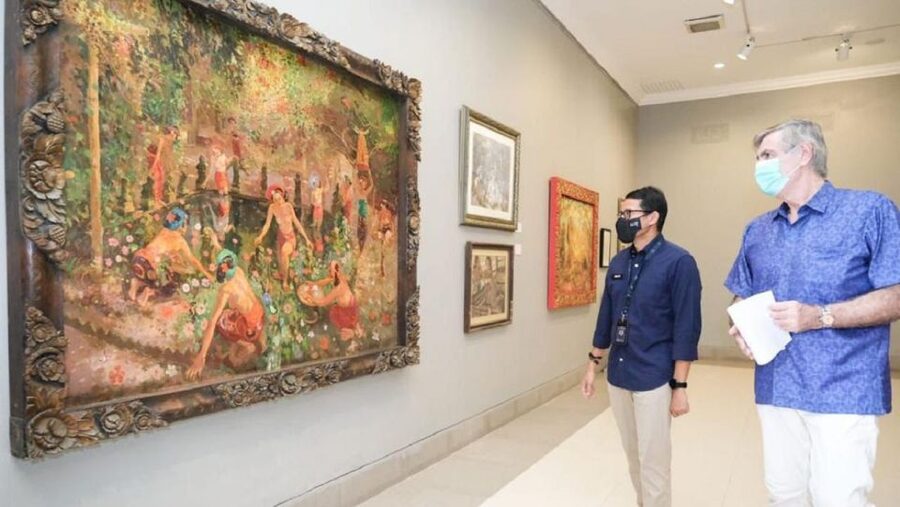
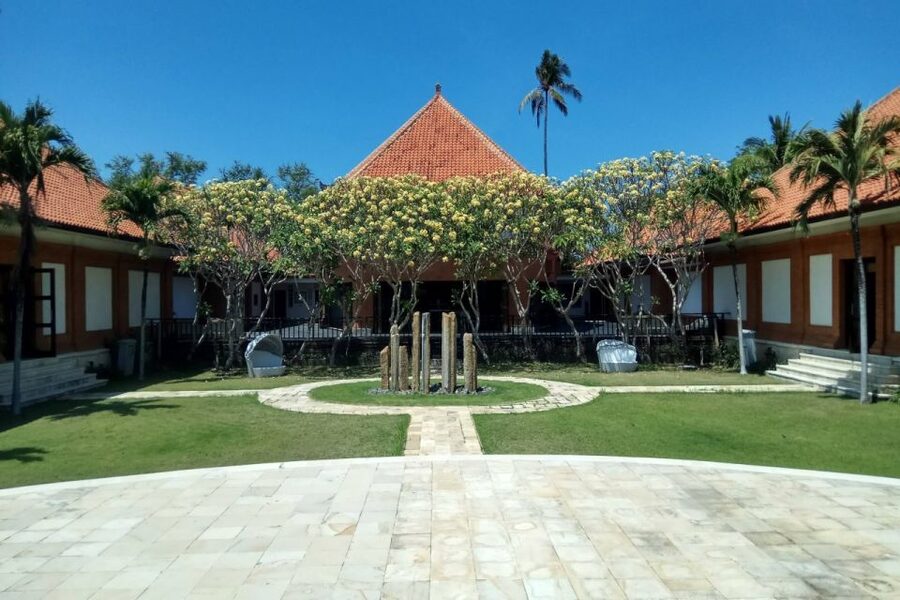
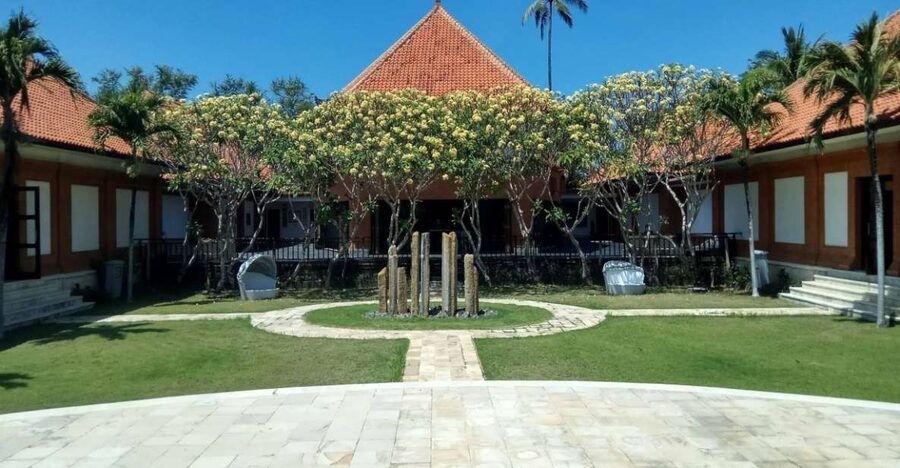
Museum Pasifika is not a huge, formal institution where you need half a day and a floor plan. It is a relaxed art museum designed for a slower wander. You enter at the reception area, show your ticket, and then move from room to room at your own speed.
That easy pace is one of the best reasons to visit. Nusa Dua is known for polished resorts and planned holiday facilities. A museum devoted to Indonesian, Asian, and Pacific art gives you a change of scene without requiring a long trip across Bali.
I would allow around one to two hours, depending on how closely you use the audio guide and how long you spend with the larger sculpture displays. The ticket is valid for one day, so you have room to plan the museum around lunch, the beach, or other Nusa Dua stops.
The mood is quiet and curious rather than grand. One verified visit praised the peaceful setting. That matters if you want time with the art instead of a crowded attraction, though the low-key feel may disappoint you if you expect a large, heavily staffed museum with polished climate control.
A few more Seminyak and Kuta trips worth comparing
- Waterbom Bali Tickets – Single Day Pass
★ 4.5 · 620 reviews - All Inclusive Kecak Dance and Uluwatu Temple Admission Ticket
★ 4.5 · 127 reviews - Trans Studio Bali Admission Ticket
★ 4.5 · 114 reviews
The Indonesian rooms offer the clearest sense of place
Start with the Indonesian collection. It includes more than 50 Indonesian artists and gives the museum its strongest local identity.
You can look for works by Raden Saleh, Lempad, Affandi, Hendra, and Kobot. These names represent very different approaches to Indonesian art, so the collection is not limited to one period or one style. You may see traditional subjects, portraits, scenes shaped by daily life, and more personal modern work.
Raden Saleh is especially important in Indonesian art. His work helps connect the country’s own artistic traditions with the European techniques that influenced him. Lempad brings a different sensibility, closely tied to Balinese culture and design. Affandi is known for expressive, energetic painting, giving you a useful contrast with more controlled or formal works.
I like this part of the museum because it prevents the Pacific material from feeling detached from Bali. You are not just looking at art from faraway islands. You are also seeing how Indonesian artists responded to local life, outside influence, and changing ideas about painting and sculpture.
The collection is broad, so do not expect every artist to receive a large display or long explanation. This is a survey rather than a single-artist study. The audio guide can help you decide which works deserve extra time, especially if Indonesian art is new to you.
Indo-European artists show Bali through outside eyes
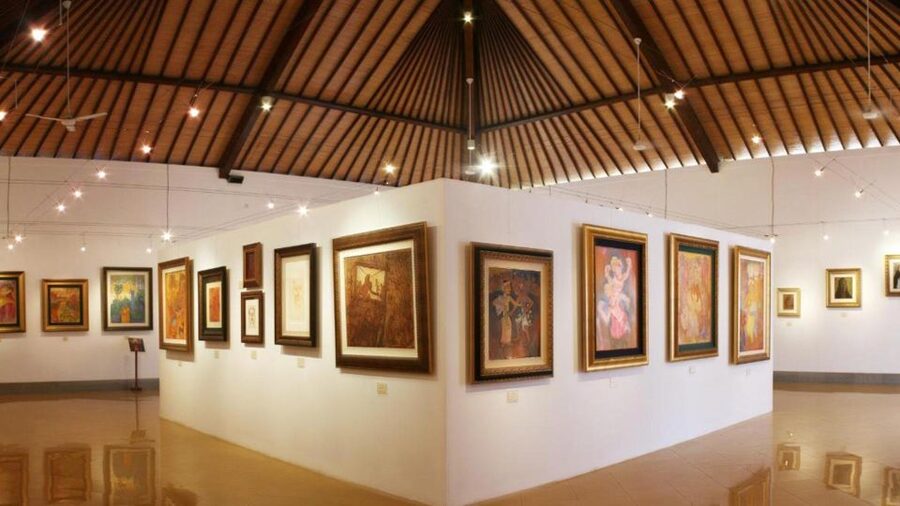
The next part turns toward artists from Europe who worked in or drew inspiration from Asia, particularly Indonesia and Bali.
Rooms include Italian, French, and Dutch creators such as Walter Spies, Miguel Covarrubias, Jean Le Mayeur, and Charles Sayers. Their work can be fascinating because it shows how Bali was viewed by artists arriving from elsewhere. You may notice differences in color, subject choice, composition, and the way local people or ceremonies are represented.
This section also needs a thoughtful eye. Art made by foreign visitors can preserve valuable impressions, but it can also present an edited version of Bali, shaped by the artist’s own expectations. I would not treat every image as a complete picture of Balinese life. Instead, use the works as evidence of how Bali affected outside artists and how those artists translated the island for audiences abroad.
Jean Le Mayeur is a particularly natural fit for a Bali museum. His work is associated with the island’s light, gardens, and domestic scenes. Walter Spies and Miguel Covarrubias help widen the story, showing that Bali attracted artists, writers, and collectors who saw it as a place of unusual artistic energy.
The rooms dedicated to these artists are useful for visitors who want more than contemporary resort culture. They give you context for the way Bali entered international art circles during the twentieth century.
The Hanoi school adds an Asian connection
The museum also presents works by Indonesian students of the Beaux-Arts School of Hanoi.
This is an easy section to overlook, but it adds an important link between Indonesia and mainland Southeast Asia. The school was known for training artists in a setting shaped by both European academic methods and local Asian traditions. The Indonesian students connected to it became recognized in international exhibitions and publications.
For you, the value is in seeing that Indonesian art did not develop in isolation. Artists studied, traveled, borrowed, adapted, and worked across national boundaries. That makes the museum feel less like a collection of unrelated rooms and more like a record of artistic exchange across the Asia Pacific.
The audio guide is useful here if the works do not immediately explain their context. The guide is offered in English and Indonesian, giving you a better chance to follow the story without needing a specialist background.
More museums in Seminyak and Kuta:
- Jakarta: Miniature Park, National Museum & Traditional House Tour
★ 4.5 · 17 reviews - Tsunami Museum and Affected Areas Tour of Banda Aceh
★ 5.0 · 4 reviews
The Pacific sculpture collection is the museum’s main draw
The Michoutouchkine and Pilioko Collection of Premier Art of Oceania is the section I would prioritize.
It contains around 200 sculptures from 10 different Pacific nations. The collection was assembled over 50 years by the two artists and collectors, and it is described as one of the most complete collections of its kind worldwide.
You will see art from a large geographic area, not one uniform Pacific style. The Pacific Ocean covers an enormous region, and island communities have their own materials, beliefs, forms, and visual languages. The sculpture rooms give you a chance to compare those differences in one visit.
The collection’s scale also changes the rhythm of the museum. Paintings encourage close looking at surface, color, and composition. The sculptures ask you to walk around them and notice their shape from different angles. Give these rooms time instead of treating them as a quick passage to the exit.
This is likely the most distinctive reason to buy the ticket. Bali has many art spaces, but a large collection devoted to art from 10 Pacific nations is harder to find. If your interest is mainly in Balinese painting, you may spend more time in the Indonesian rooms. If you want a wider view of island cultures and Pacific sculpture, this collection makes the $7 admission particularly good value.
The collection’s age and care are worth considering. One verified visit praised the quiet atmosphere but raised concerns about works that were not well protected. Humidity, open doors, and the lack of air conditioning were also mentioned. I cannot promise every piece will look perfectly preserved, so set your expectations at a small museum with an unusual collection, not a tightly climate-controlled international institution.
The Western artists exhibition brings a surprise
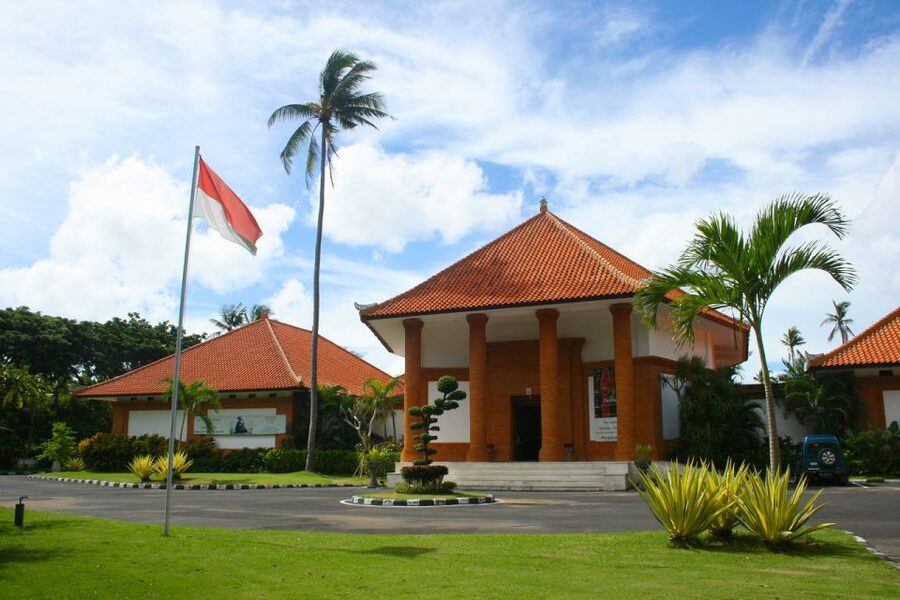
Museum Pasifika also has a Legendary Western Artists Exhibition.
Here you can see sculptures and woodcuts linked to Paul Gauguin’s Tahiti period, along with work by Henri Rousseau, Henri Matisse, Auguste Rodin, Marvina Hoffmann, and Bernard Buffet. These artists were influenced by Asia or the Pacific in different ways, and the section adds a Western art angle to the museum’s wider story.
Gauguin’s Tahiti period is especially relevant to the Pacific focus. His work is famous, but it also raises questions about how Western artists imagined island life. I would look at these pieces with interest while remembering that they reflect an outsider’s vision, not a neutral record.
Rodin brings sculpture into a different artistic tradition, while Matisse and Rousseau show how artists who did not all travel in the same way could still be influenced by non-European subjects, forms, or ideas. This section works best when you compare it with the Pacific sculptures rather than viewing it as a separate display of famous names.
Do not assume that every work will be a major masterpiece by the artist named. The information provided describes sculptures and woodcuts connected with these figures and their Asian or Pacific inspiration. The attraction is the range of the collection and the chance to see different artistic responses to the region.
Using the audio guide without rushing
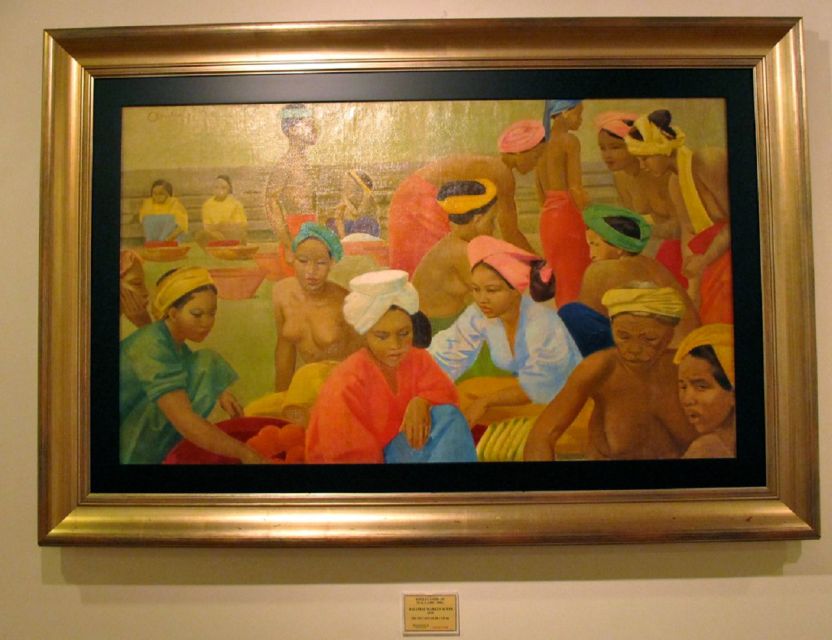
An audio guide is included and is available in English or Indonesian. It gives structure to what could otherwise feel like a very large collection with many names.
I suggest listening selectively. Follow the introduction, then choose the works that catch your eye. If you listen to every entry in full, the visit may become more tiring than enjoyable. Art museums work best when you alternate between explanation and quiet looking.
The guide should be especially helpful in three places:
- The Indonesian rooms, where several major artists are represented.
- The Hanoi school section, where historical context may not be obvious.
- The Michoutouchkine and Pilioko Collection, where the different Pacific nations deserve explanation.
The activity information also describes the audio guide as optional, while the inclusions list includes it. Confirm the current arrangement when you arrive if the guide is important to your visit. English and Indonesian are the stated language choices.
What the $7 ticket really includes
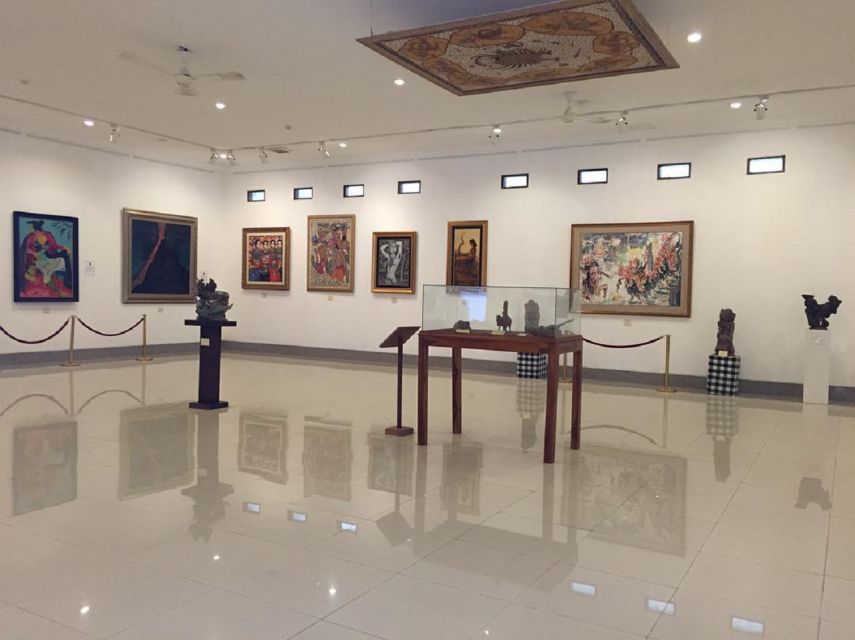
At $7 per person, the admission is inexpensive by the standards of many cultural attractions in resort areas. You are paying not just to see a few paintings, but to access a collection of more than 600 works and a substantial Pacific sculpture display.
The extras improve the value in a small but practical way. Admission includes a refreshment, a cold towel, and tea, coffee, or infused water. Those touches are welcome in Bali’s heat, especially if you have arrived after walking around Nusa Dua.
There is also a café, free Wi-Fi, and a large parking area. Hotel pickup and drop-off are not included, so you need to arrange your own transport. Since the museum is in Nusa Dua, it works best as part of a day already spent in the area rather than as a special cross-island trip for the museum alone.
For families, children aged 0 to 11 enter free. That makes the price even more attractive if you are visiting with children, although younger children may not want to spend a long time with the audio guide. A short visit focused on the larger sculptures may work better.
Practical details that can shape your visit
Show your ticket at the reception area. The ticket is valid for the visit date and for one day, with starting times based on availability.
The galleries and facilities are wheelchair accessible, including access for motorized wheelchairs. That is a meaningful advantage if you need a museum that is easier to navigate. The parking area is large, and the café gives you a simple place to pause before or after the galleries.
Flash photography, tripods, weapons, and sharp objects are not allowed. Bring a camera if you like, but use it without flash and leave the tripod behind.
The open doors and humid conditions deserve a practical note. Bali’s climate is hard on artwork, and one verified visit specifically felt that the lack of air conditioning and open doors could contribute to damage. You may find the setting comfortable and airy, but you should not expect the cool, sealed rooms found in some major museums.
Free cancellation is available up to 24 hours before the visit for a full refund, and you can reserve now and pay later. Those policies are useful if your Nusa Dua plans may shift.
Who will enjoy Museum Pasifika most
I would recommend this museum to you if you like art, Pacific cultures, Indonesian history, or quieter attractions. It is also a good choice when you need an indoor break from Nusa Dua but do not want to spend hours in a large, crowded institution.
The museum suits:
- Art lovers who want to compare Indonesian, European, and Pacific work.
- Visitors curious about the connection between Bali and international artists.
- Families looking for a short cultural stop, with free admission for children aged 0 to 11.
- Wheelchair users who need accessible galleries and facilities.
- Anyone interested in Pacific sculpture, especially the Michoutouchkine and Pilioko Collection.
I would be more cautious if you want pristine conservation, strong air conditioning, or a tightly organized exhibition with extensive labels. The range is impressive, but the presentation may feel modest. One visit found the art beautiful in places but the overall experience underwhelming because of those condition concerns.
Should you book this Nusa Dua museum ticket?
At $7, I think Museum Pasifika is worth booking if you are already staying in Nusa Dua. The Indonesian masters, the 200-piece Pacific sculpture collection, and the audio guide give the visit real substance. The quiet setting and included refreshment make it a pleasant way to spend an hour or two.
I would not cross Bali solely for this museum unless Pacific art is a particular interest. The collection is unusual, but the open galleries, humidity, and uneven presentation may not satisfy visitors expecting a polished major museum.
Book it as a low-cost cultural stop, not as an all-day headline attraction. Arrive with curiosity, focus on the Indonesian and Pacific rooms, and give yourself time to look rather than race through every name.
FAQ
Where is Museum Pasifika located?
Museum Pasifika is in Nusa Dua, Bali, Indonesia.
How much does admission cost?
The stated price is $7 per person.
How long is the ticket valid?
The ticket is valid for one day and applies to the selected visit date.
Is an audio guide available?
Yes. An audio guide is available in English and Indonesian. The activity information describes it as optional, while the included services list it with admission, so confirm the current arrangement at reception.
What does the ticket include?
The ticket includes museum admission, an audio guide, a refreshment, a cold towel, and drinks. Drink choices include tea, coffee, or infused water.
Are children admitted free?
Children aged 0 to 11 can enter free of charge.
Is Museum Pasifika wheelchair accessible?
Yes. The galleries and facilities are accessible to wheelchair users and people using motorized wheelchairs.
Is hotel transportation included?
No. Hotel pickup and drop-off are not included.
Are photography and tripods allowed?
Flash photography and tripods are not allowed. Weapons and sharp objects are also prohibited.
What facilities are available onsite?
The museum has a large parking area, a café, and free Wi-Fi access.
Just added around Seminyak and Kuta
- Bali-Nusa Penida. East Part. Private car. All-inclusive★ 4.5 · 15 reviews
- Ubud Private Tour : Ubud Temple and Authentic of Ubud★ 5.0 · 18 reviews
- Bali Swing Hot Spring And Waterfall Private Guided Tour★ 5.0 · 50 reviews
- Ubud Monkey Forest Sanctuary Tours and Cretya★ 5.0 · 3 reviews
- Ubud Tours and Cretya Day Club Pool★ 5.0 · 3 reviews
- Bali Adventure Tour: Hidden Canyon, Tegenungan Waterfall, Goa Gajah temple★ 5.0 · 48 reviews
- Penglipuran Village Waterfall Swing Private Guided Tour★ 5.0 · 13 reviews
- Bali Sightseeing Car Hire with English-speaking Guide and Driver★ 5.0 · 24 reviews
Tickets, compared.
Uluwatu Temple Entry and Kecak Fire Dance Ticket
Read our review →
Tanah Lot Temple Sunset Kecak & Fire Dance Show Ticket
Read our review →