
Reviewed · KECAK FIRE DANCE
Bali: Ubud Kecak and Fire Dance Show Tickets
The chant starts before the story does. Ubud’s Kecak and Fire Dance turns a one-hour evening into a memorable lesson in Balinese Hindu performance, using only human voices, movement, costumes, and fire. I like the hypnotic male chorus and the way the show brings the Ramayana close to the audience. I also like the low price, which makes this an easy cultural addition to an Ubud evening.
The main thing to consider is the venue. You choose among four different locations, and each has its own setting and possible distractions. Some seats are hard, some outdoor venues hear traffic or nearby construction, and the performance may be affected by rain. Arrive early, dress modestly, and bring insect repellent.
In This Review
- Key points to know before you go
- Why the Kecak chant is so unusual
- Arriving at the temple before 7 pm
- The opening chorus and the Ramayana story
- The fire scene and what to expect from it
- Outdoor seating, rain, and evening comfort
- Choosing the right seat for the best view
- Is $6 good value for an hour?
- Who will enjoy this performance most
- Practical tips for a smoother evening
- Should you book the Ubud Kecak and Fire Dance?
- FAQ
- How long does the Ubud Kecak and Fire Dance last?
- What time does the Kecak Dance begin?
- How early should I arrive?
- Are musical instruments used during the performance?
- Is food included in the ticket?
- Is the performance suitable for children?
- Can I take photographs during the show?
Key points to know before you go
- A full story in one hour: The performance presents a section of the Ramayana through dance, chanting, narration, and fire.
- No musical instruments: The rhythm comes from a large chorus of male performers making repeated vocal sounds and chants.
- Arrive by 18:30: Gates open from 18:00, and the show begins at 19:00. Early arrival gives you the best chance at a good seat.
- Four possible venues: Check the exact temple or performance site selected during booking, since the atmosphere and outside noise can differ.
- Excellent value at $6: You receive temple entry and the dance ticket, while food and drinks cost extra.
- Good for families: Children and adults can follow the action, though babies under one year are not suitable for the performance.
Why the Kecak chant is so unusual
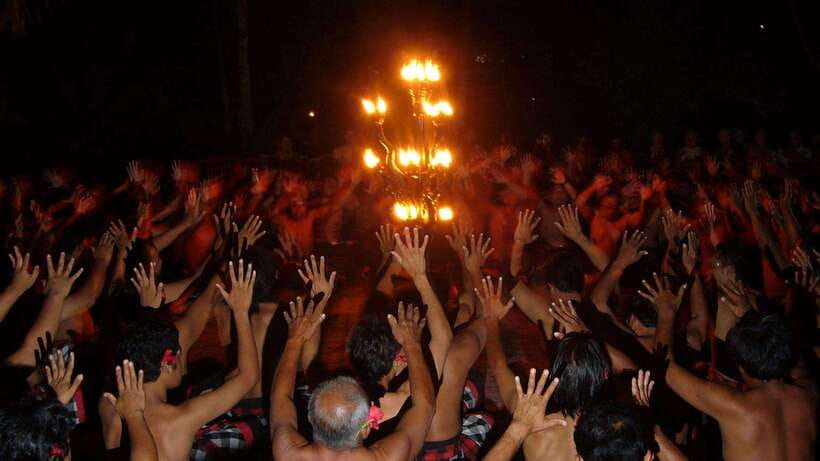
Many traditional dance performances depend on drums, gongs, or a gamelan orchestra. Kecak does something very different. The sound comes from a seated or arranged chorus of men, whose repeated chants create the rhythm for the dancers.
That human-made sound is the heart of the evening. The chorus begins at a measured pace, then grows faster and more intense. The repeated vocal patterns can feel almost hypnotic, especially once the dancers enter and the story gathers force.
I find this more interesting than a standard stage show because the music and the action are made by the performers themselves. You are not simply watching dancers move to an orchestra. You are watching the entire sound world being created in front of you.
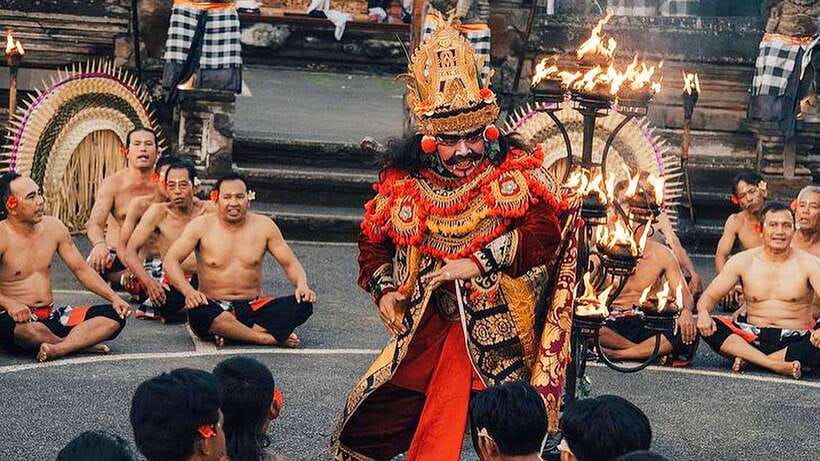
The performance presents the Ramayana, one of the great Hindu epics. You see characters, conflict, trickery, romance, and the battle between good and evil. A dalang, or storyteller, narrates the tale as the dancers act it out.
The story may not be immediately clear if you do not know the Ramayana. This is the biggest artistic challenge for English-speaking audiences. The movement and costumes communicate a lot, but the plot can still feel hazy without an introduction or translation.
A printed program explaining the story can help. Some visitors have also wished for a short English introduction or subtitles. I recommend reading a brief Ramayana summary before arriving, even if you only remember the main characters. You will follow the action more easily and notice how the chorus and dancers build each scene.
More Kecak fire dance evenings in Ubud:
- Uluwatu Sunset, Kecak Dance, and Dinner Jimbaran Beach
★ 5.0 · 3,681 reviews - Half-Day Tour: Uluwatu Temple and Kecak Fire Dance Show
★ 5.0 · 63 reviews - Uluwatu Sunset Tour: Kecak and Fire Dance with Jimbaran Dinner
★ 4.5 · 597 reviews
Arriving at the temple before 7 pm
This is a ticketed show in the Ubud area, held at a temple or temple-style performance venue. The exact meeting point depends on the option you book, and the four venues are not interchangeable. Check your selected location carefully before setting out.
The gates are scheduled to open between 18:00 and 19:30, with the Kecak performance starting at 19:00. I would aim to arrive around 18:30. You do not need to turn the evening into a military operation, but early arrival matters if you want to choose your seat.
People who arrive early can often find a spot directly facing the performance or higher on the seating stands. A higher seat may give you a clearer view and a little more air movement. Front seats put you close to the action, though sitting near the front can also make you feel part of the performance when the actors move toward the audience.
This is a relatively simple ticket experience, not a guided temple tour. An English-speaking host or greeter may assist with entry, but you should not expect a full guide explaining every scene. The main service is easy access to the venue and performance.
The venue can be close to a road, depending on the location. Traffic noise has interrupted the mood at one site, and nearby construction has distracted from the chanting at another. That does not ruin the show, but it is worth knowing if you expect a silent, isolated temple setting.
The opening chorus and the Ramayana story
Once seated, you will see the performance area framed by the temple setting. The atmosphere is especially appealing after sunset, when the open-air surroundings, evening air, and ceremonial setting give the show a sense of place.
The first major impression is sound. The men chant together in a repeated rhythm, creating a pulse that replaces instruments. The voices rise and fall as the story develops, and the performers gradually increase the tempo.
The dancers then bring the Ramayana to life. They do not simply perform isolated dance steps. They act out scenes through gestures, expressions, costume, and carefully staged movement. The result is part theatre, part dance, part oral storytelling.
You may not understand every word, but you can still read the mood. The chorus builds tension. The dancers change the pace. The dalang gives narrative direction. The entire show moves between quieter passages and energetic scenes.
The costumes are one of the clearest visual pleasures. Intricate clothing, strong colors, elaborate headpieces, and expressive makeup help you tell the characters apart. Even from a middle or rear seat, the costumes give the performance a ceremonial look.
The show also has an interactive quality. Performers may move close to the audience or involve the crowd in the action. That can be fun for families and younger children, but it also means the front rows are not simply passive viewing positions.
The performance lasts about one hour. That timing works well. You get a complete cultural experience without giving up an entire evening, and the show tends to remain active from beginning to end.
The fire scene and what to expect from it
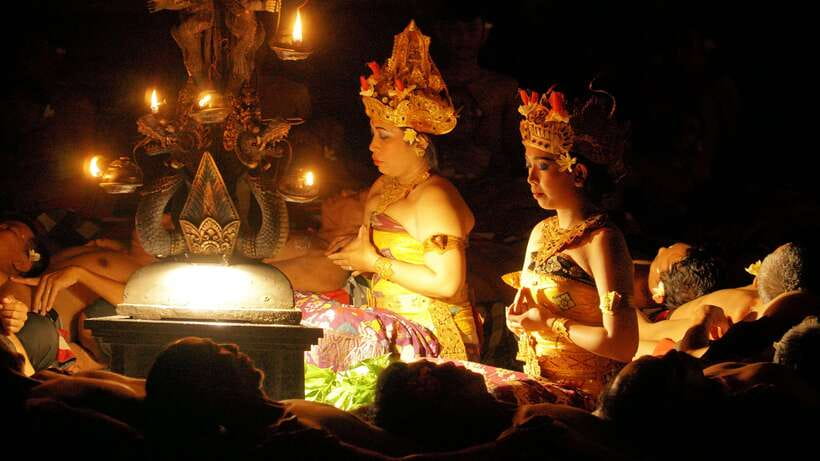
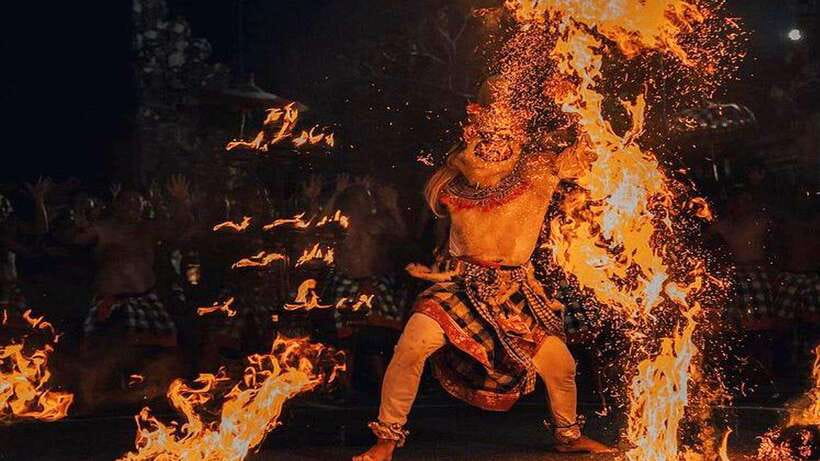
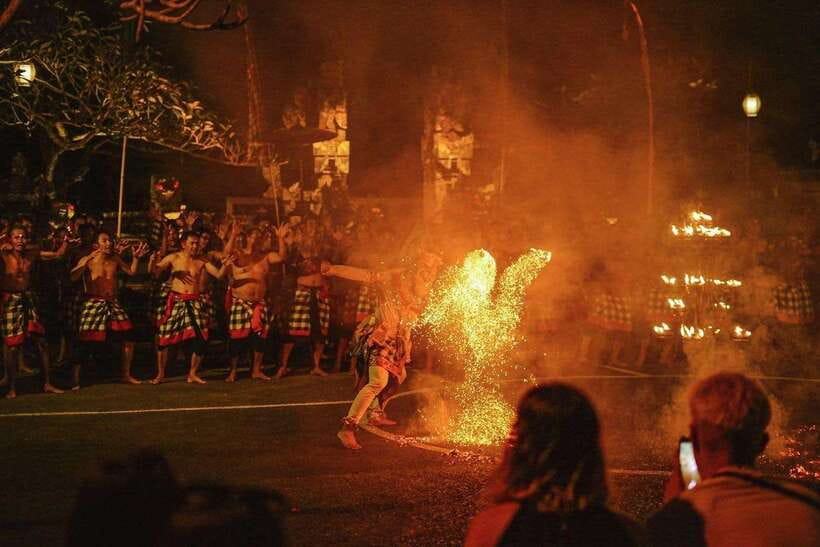
The fire sequence is the part many people anticipate, and it is visually striking. Flames become part of the final action, adding danger and drama to the already intense chanting.
You should keep your expectations sensible. This is a Kecak and Fire Dance, but the fire does not dominate every minute of the show. Some people expect a long series of fire tricks and find the fire section shorter than anticipated. The main attraction remains the chorus, story, dance, and atmosphere together.
I think that balance is a strength. If the show were only a fire display, it would be a quick spectacle. Instead, the fire arrives after the story and chanting have built tension. It has more effect because you have already been drawn into the performance.
Photography is usually allowed, but do not use flash. Flash photography can distract the dancers and interfere with the mood. Keep your camera ready for the fire, but also give yourself time to watch without looking through a screen.
At some venues, you may be able to take photos with cast members after the show. Treat this as an extra possibility, not a guaranteed part of the ticket. The included experience is temple entry and the performance itself.
A few more Ubud trips worth comparing
- Bali: Ubud Palace Legong Dance Show Ticket
★ 4.4 · 3,979 reviews - Bali Bird Park Admission Ticket
★ 4.5 · 202 reviews - Skip the Line Tirta Empul Temple Entrance Ticket All Inclusive
★ 5.0 · 198 reviews - Bali Iconic Tour with Buffet Lunch and Attraction Tickets
★ 5.0 · 66 reviews
Outdoor seating, rain, and evening comfort
The performances are generally held outdoors, so comfort depends partly on the weather. Ubud evenings can feel cool, and a light jacket or shawl is useful. Wear comfortable clothes that suit an outdoor setting and follow the local request for modest dress.
Rain is a real consideration, especially during the rainy season. Some performances have been moved under cover during storms, and shows have continued indoors. Other performances have gone ahead in wet conditions. You should not assume every venue handles rain in exactly the same way.
A small umbrella may be useful for getting to the venue, though large bags and luggage are not allowed. Pets are also prohibited, except for assistance dogs. Fireworks are not permitted, and you are expected not to make noise during the performance.
Bring insect repellent. This is practical advice for an outdoor evening, especially if you are sensitive to mosquitoes. You can also bring water, and some locations may sell snacks and drinks. Food and beverages are not included in the $6 price.
The seating is functional rather than luxurious. Several people have found the benches or seats uncomfortable, especially over the full hour. A small cushion would be sensible if you are particular about hard seating, though you should confirm what you are allowed to bring because large bags are restricted.
The venues are described as accessible, but the four sites may differ in their exact arrangements. If you use a wheelchair or have specific access needs, check the chosen venue ahead of time rather than assuming every seating area is identical.
Choosing the right seat for the best view
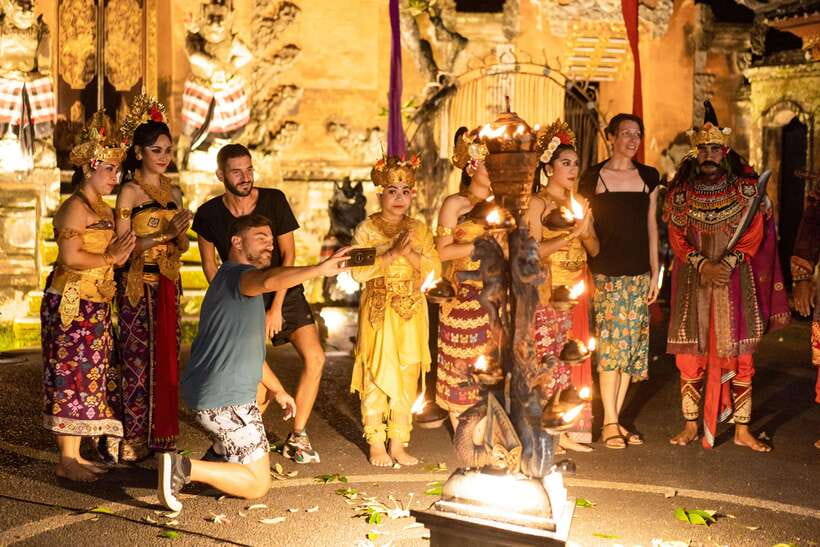
Your seat can shape the evening. I would not automatically rush to the very front. A front-row position gives you proximity and may place you close to the action, but a higher or central seat can offer a better view of the entire performance.
Arriving 30 to 45 minutes early gives you more choice. Look for a position directly facing the stage, with a clear view of the chorus and the main performance area. Higher seats may also provide better ventilation and easier access if you need to leave during the show.
A small venue can be a benefit. You may feel close to the performers rather than separated by a large theatre. The drawback is that a smaller setting can make outside traffic, building work, or nearby conversations more noticeable.
The exact venue matters more than the basic ticket description suggests. One site has been praised for its close-up atmosphere but sits near a main road. Another covered venue is useful during rain. Check the option details before booking, then plan your transport around that specific location.
Arrange your ride home before the performance ends. Ride-hailing services may be unreliable at some venues after the show, and temple areas can become confusing when a crowd leaves at once. This is particularly important if you have a dinner reservation or an evening transfer.
Is $6 good value for an hour?
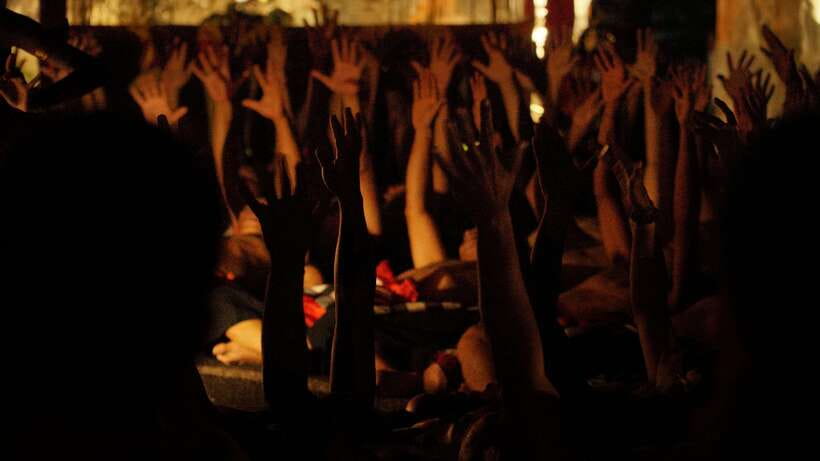
At $6 per person, this is one of the easier cultural choices to justify in Ubud. The price includes entry to the temple and admission to the Kecak and Fire Dance. It does not include refreshments, transport, or a guided explanation.
The value comes from the combination of performance and setting. You are not paying only for a short dance demonstration. You receive a staged Ramayana story, a live vocal chorus, elaborate costumes, a fire sequence, and access to a temple performance venue.
The ticket is also useful if you want to avoid a long ticket queue. It does not turn the evening into a private or guided visit, but it simplifies entry. For a family, the cost remains modest, and the one-hour length is manageable for children.
I would not book it expecting polished theatre seating, perfect acoustics, or a detailed English lecture. You are paying for a local cultural performance in a practical venue, not a high-end stage production.
The strongest value is for someone who wants a first look at Balinese performance without committing to a full evening package. It is also easy to fit before or after dinner in Ubud.
Who will enjoy this performance most
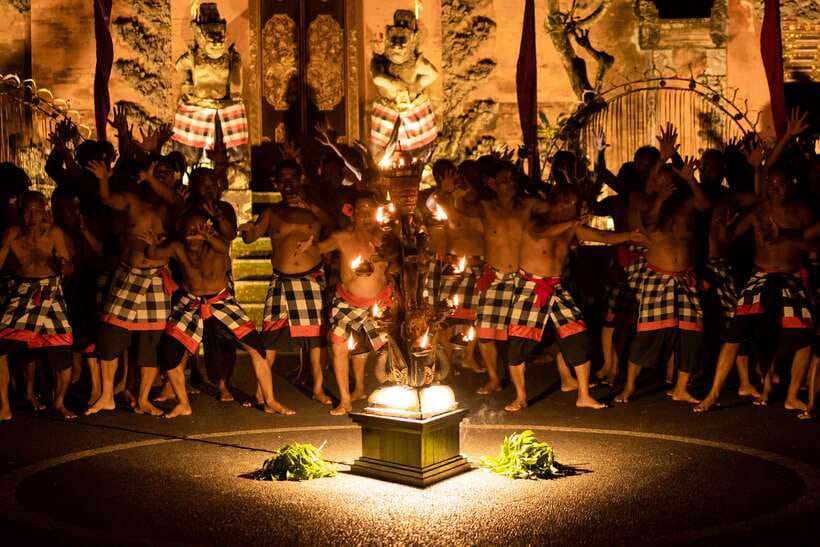
Families are a good match. The show is short, visual, and active, with dramatic costumes, loud chanting, and a clear good-versus-evil story. Children may especially enjoy the fire and the moments when performers come close to the audience.
It also suits anyone interested in Balinese Hindu culture, traditional storytelling, or unusual live music. The chorus alone is worth hearing. The lack of instruments makes the show feel different from most theatre you may know.
You will get more from it if you read the story first. If you prefer to watch without preparation, you can still enjoy the rhythm and movement, but the dramatic details may not make complete sense.
This may not suit you if you dislike hard seating, outdoor conditions, loud vocal performance, or uncertain weather. It is also not suitable for babies under one year. Anyone seeking a quiet, solemn temple visit should remember that this is a public performance, not a private religious ceremony.
The experience is wheelchair accessible according to the available information, though I would still confirm details for the selected venue. The host or greeter language is English, but the performance itself should not be treated as an English-language show.
Practical tips for a smoother evening
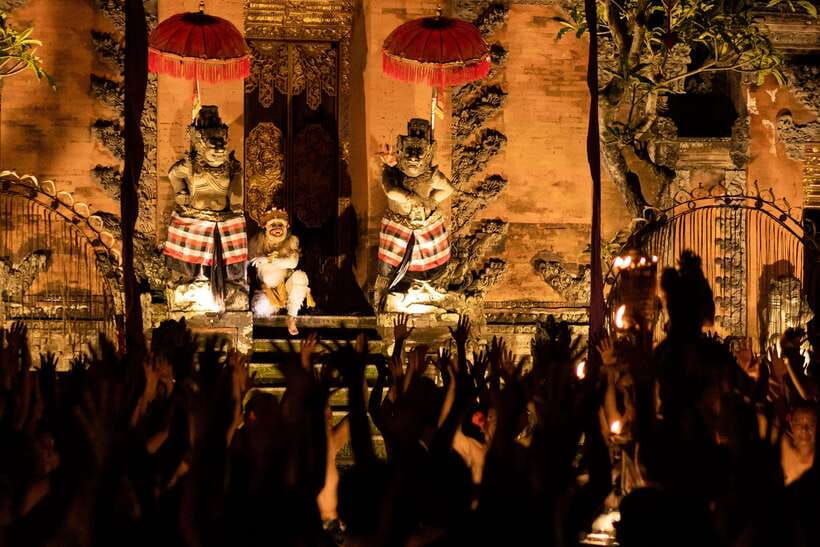
- Check the exact venue, since four Ubud locations may be offered.
- Arrive at least 30 minutes early, and closer to 45 minutes early if you want front or central seats.
- Wear modest, comfortable clothing suitable for an outdoor temple setting.
- Bring a light jacket or shawl for the evening.
- Pack insect repellent and water.
- Use your camera without flash.
- Leave large luggage and bags behind.
- Plan your ride back before the show ends.
- Read a short Ramayana summary so the plot is easier to follow.
- Bring a small seat cushion only if the venue permits it.
The booking terms are flexible: you can cancel up to 24 hours before the performance for a full refund, and a reserve-now, pay-later option is available. Starting times should be checked for your selected date, even though the main performance schedule is listed at 19:00.
Should you book the Ubud Kecak and Fire Dance?
I would book this if you want an affordable, short, and distinctly Balinese evening performance. The chanting is the main reason to go. The fire adds drama, but the voices, costumes, storytelling, and temple setting make the experience worthwhile.
Book early if seat choice matters to you, and choose your venue carefully. If rain, road noise, or hard benches would bother you, check the location details and weather forecast before committing.
At $6, the drawbacks are easy to accept. You are getting a lively cultural show rather than a flawless theatre production. For a first performance in Bali, especially with children or a limited budget, this is a strong choice.
FAQ
How long does the Ubud Kecak and Fire Dance last?
The performance lasts about one hour.
What time does the Kecak Dance begin?
The Kecak Dance is scheduled to begin at 19:00. The gate is open from 18:00 to 19:30.
How early should I arrive?
Arrive at least 30 minutes before the performance. Arriving around 18:30 or earlier gives you a better chance of choosing good seats.
Are musical instruments used during the performance?
No. The rhythm comes from the human voice, including repeated chants and sounds made by the male chorus.
Is food included in the ticket?
No. Food and beverages are not included, though some venues may sell snacks and drinks.
Is the performance suitable for children?
Yes. The show is described as suitable for families and all age groups, but babies under one year are not suitable for the activity.
Can I take photographs during the show?
Photography is usually allowed. Avoid using flash so you do not disturb the performers.
More Evening Shows in Ubud
- Canggu: Drag Show with Dinner
★ 5.0 · 414 reviews - Bali: Tanah Lot Temple Sunset Kecak & Fire Dance Show Ticket
★ 4.2 · 242 reviews - Devdan Show
★ 4.5 · 113 reviews - Prambanan Temple and Ramayana Ballet Show (VIP Seat with dinner)
★ 5.0 · 90 reviews
Just added around Ubud
- 3 Days for the best of Ubud Private Tour★ 5.0 · 63 reviews
- Bali Amazing Cooking Class★ 5.0 · 63 reviews
- Private Mount Batur Sunset Trekking – All inclusive tour★ 5.0 · 63 reviews
- Private Full-Day Handara, Ulun Danu, Jatiluwih and Tanah Lot Tour★ 5.0 · 63 reviews
- Half-Day Tour: Uluwatu Temple and Kecak Fire Dance Show★ 5.0 · 63 reviews
- Mount Batur Sunrise Trekking★ 5.0 · 65 reviews
- Trunyan Cemetery, Hot Spring, Penglipuran Village, and Waterfall Tour★ 5.0 · 65 reviews
- Bali Iconic Tour with Buffet Lunch and Attraction Tickets★ 5.0 · 66 reviews
Kecak Fire Dance, compared.

Uluwatu Sunset, Kecak Dance, and Dinner Jimbaran Beach
Read our review →
Uluwatu Sunset Tour: Kecak and Fire Dance with Jimbaran Dinner
Read our review →
Uluwatu Temple Entry and Kecak Fire Dance Ticket
Read our review →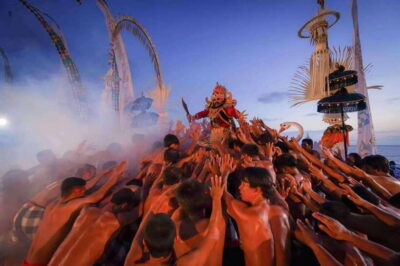
Tanah Lot Temple Sunset Kecak & Fire Dance Show Ticket
Read our review →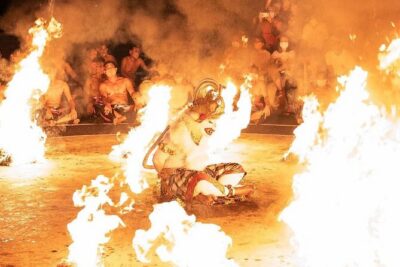
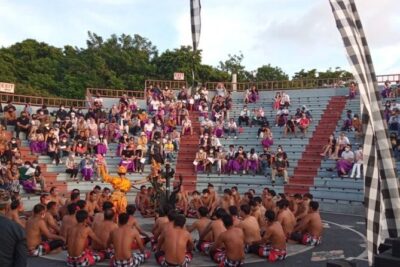
All Inclusive Kecak Dance and Uluwatu Temple Admission Ticket
Read our review →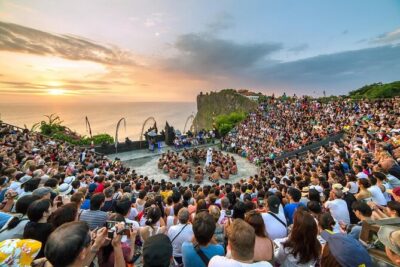
Uluwatu Sunset, Kecak Dance and Jimbaran Seafood Dinner
Read our review →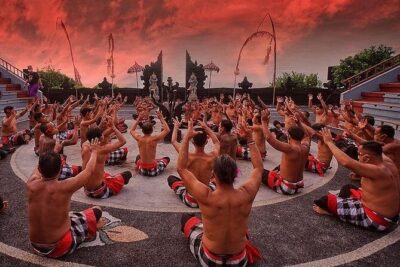
Kecak Fire Dance and Sunset at Uluwatu Temple All Inclusive
Read our review →Browse the lists this tour appears in