
Reviewed · SUMATRA TOURS
Tsunami Museum and Affected Areas Tour of Banda Aceh
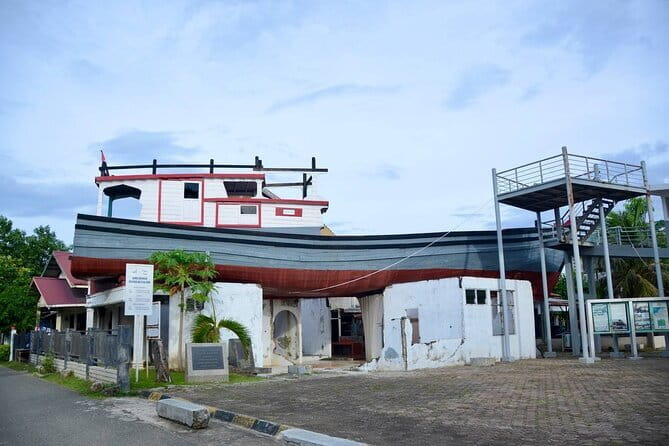
Some places teach history by showing its scars. This nine-hour private tour makes Banda Aceh’s 2004 tsunami story personal through the Tsunami Museum, the mass graveyard, and wrecked objects left far from their original homes. I like the included air-conditioned transport and lunch, and I especially like the chance to see the PLTD Apung 1 power ship and the fishing boat lodged on a house. The main consideration is the long day and emotional subject matter, which may feel heavy for some people.
I also like that this is a private tour, so your group is not folded into a large busload. The guide can explain the photographs, videos, tsunami science, and rebuilding efforts at a pace that suits you. Just keep in mind that some timing is listed in broad windows, with hotel pickup between 8:00 and 9:00 AM and a return around 7:00 PM.
In This Review
- Key points before you book
- Why Banda Aceh’s tsunami story needs more than a museum
- Starting the day with private pickup
- Inside the Aceh Tsunami Museum
- Seeing the PLTD Apung 1 power ship
- The boat at Desa Lampulo
- Paying respects at the mass graveyard
- Lunch, snacks, and the middle of a long day
- Rebuilt communities and survivor accounts
- Ending with memorials and a 7:00 PM return
- What the $119.26 price covers
- Who should choose this experience
- Should you book the Banda Aceh tsunami tour?
- FAQ
- How long does the Tsunami Museum and Affected Areas Tour last?
- Where does the tour start?
- Is this a private tour?
- Is transportation included?
- Are admission tickets included?
- Is lunch included?
- What are the main places visited?
- Can most people participate?
- Can I cancel for a full refund?
Key points before you book
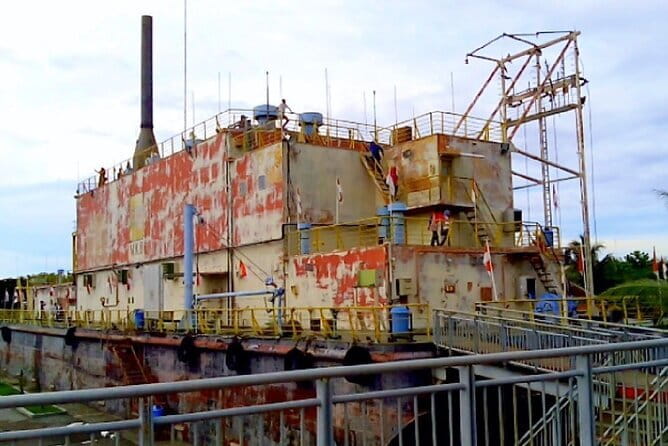
- See the 2,600-ton PLTD Apung 1: This diesel power plant ship was swept into a residential area by the tsunami waves.
- Visit a fishing boat on a house: At Desa Lampulo, a boat remains lodged on top of a home, an image that makes the force of the water easier to grasp.
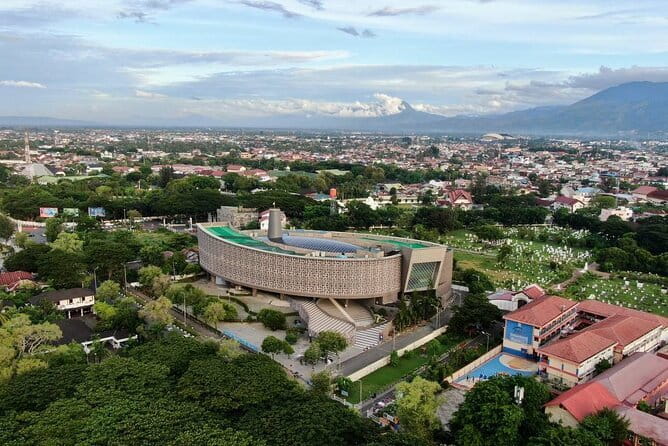
- Spend an hour at the Tsunami Museum: Displays cover personal stories, photographs, videos, science, recovery, and memorials.
- Travel privately for nine hours: Pickup, fuel, parking, tickets, snacks, lunch, and an air-conditioned vehicle are included.
- Move beyond the museum: The day includes the mass graveyard, affected communities, survivor accounts, and memorial sites.
- Plan ahead: The experience is often reserved about 40 days in advance, and free cancellation ends 24 hours before departure.
Why Banda Aceh’s tsunami story needs more than a museum
The Indian Ocean tsunami struck Banda Aceh on December 26, 2004, and reshaped the city and nearby communities. This tour gives you several ways to understand that event: through museum displays, physical wreckage, burial sites, reconstruction, and firsthand accounts.
That range matters. A museum can explain what happened, but the PLTD Apung 1 and the boat at Desa Lampulo show the wave’s force in physical terms. A mass graveyard and memorials shift the focus from destruction to the people who died. Rebuilt neighborhoods show what happened after the headlines faded.
I value this balance. The tour is not presented as a sightseeing loop of ordinary attractions. It asks you to pay attention, listen, and leave room for reflection. That makes it a poor fit for anyone seeking a light cultural outing, but a strong choice if you want to understand Aceh through one of its defining events.
More museums in Sumatra:
- Jakarta: Miniature Park, National Museum & Traditional House Tour
★ 4.5 · 17 reviews - Nusa Dua: Museum Pasifika Admission Ticket with Audio Guide
★ 4.3 · 4 reviews
Starting the day with private pickup
The tour begins with hotel pickup in Banda Aceh between 8:00 and 9:00 AM, followed by a welcome briefing. Since transportation is private, only your group participates, which gives the day a calmer feel than a large shared excursion.
The air-conditioned vehicle is useful in Aceh’s warm climate, especially because the program runs until about 7:00 PM. Fuel charges, parking, and private transport are already included, so you do not need to sort out small driving costs during the day.
The schedule allows time between the main visits, but it is not a quick two-hour museum stop. You will spend most of the day moving between sites and listening to explanations. Wear comfortable clothing and shoes, and bring water even though snacks and lunch are included.
Inside the Aceh Tsunami Museum
The Tsunami Museum is scheduled for about an hour, with admission included. It covers personal artifacts and stories, photographs, videos, tsunami science, simulation material, memorials, and the recovery process.
The value here is the mixture of human detail and explanation. Personal belongings and accounts can make the disaster feel close, while the science displays help explain how a tsunami forms and why the water traveled so far inland. Photographs and videos add a record of the event, but they may also make this the most emotionally demanding stop.
Allow yourself to move slowly. An hour is enough for a focused visit, but it may feel short if you read every panel or spend time with each video. If the museum’s simulation or visual material affects you strongly, there is no need to rush. The point is understanding, not collecting photos.
The museum also places emphasis on recovery. That is important because the story does not stop with loss. You will see how the city remembered the dead and worked toward rebuilding, giving the visit a sense of purpose rather than leaving it as a display of catastrophe alone.
Seeing the PLTD Apung 1 power ship
The next major stop is PLTD Apung 1, where you see a 2,600-ton diesel power plant ship that was carried into a residential area by the tsunami. The visit lasts about 45 minutes, and admission is included.
This is one of the most striking parts of the day because the object is so large and so clearly out of place. A ship used for power generation ended up among homes. That single fact conveys the force of the water more plainly than a long explanation can.
Your guide can connect the ship to the wider story of the affected area. The visit is not only about the ship itself, but also about how far the waves moved heavy infrastructure and how ordinary neighborhoods were changed.
The stop is fairly short, so expect a focused look rather than a long independent visit. Bring your camera if you want a record, but give yourself time to absorb the scene first. This is one of those places where a photograph cannot fully explain what you are seeing.
A few more Sumatra trips worth comparing
- 3-Day Ethical Orangutan Jungle Trek | Bukit Lawang, Sumatra
★ 5.0 · 401 reviews - Monkey Business 3 days – 2 nights Jungle trekking (including rafting)
★ 5.0 · 294 reviews - 2 Days and 1 Night Ethical Jungle Trek
★ 5.0 · 229 reviews - 2 Days 1 Night Ethical Jungle Trekking
★ 5.0 · 153 reviews
The boat at Desa Lampulo
At Desa Lampulo, you see a fishing boat that was swept inland and left on top of a house. The stop lasts about 30 minutes, with admission included.
The boat is smaller than PLTD Apung 1, but its location makes it just as memorable. A fishing vessel resting on a roof turns an abstract account of water and debris into a clear picture of how homes and streets were overwhelmed.
This stop also connects the tsunami to daily life. Fishing boats belong to the local economy and coastal communities, so the object is not simply debris. It represents homes, work, and the sudden disruption of both.
Do not expect a long museum-style presentation here. The strength of Desa Lampulo is the physical sight itself, supported by your guide’s explanation. The half-hour visit should be enough to see the boat and understand its place in the story before moving on.
Paying respects at the mass graveyard
The program includes a visit to a mass graveyard around late morning, scheduled for about an hour. This is a respectful stop, not a conventional attraction, and you should approach it quietly.
The graveyard brings a human scale to the day. At the museum, you learn about events and recovery. Here, the focus is on the people who died. That change in tone can be difficult, but it is also central to understanding why memorial sites matter in Banda Aceh.
You will want to dress and behave respectfully. The tour description does not specify a formal dress code, so follow your guide’s instructions and local customs. Keep photography restrained, particularly if other people are paying respects.
This part of the tour may be especially meaningful if you want more than visual evidence of the tsunami. It asks you to pause rather than simply move from one stop to the next.
Lunch, snacks, and the middle of a long day
Lunch is scheduled at a local restaurant from about 12:30 to 1:30 PM, and snacks are included as well. The supplied details do not name the restaurant or specify the menu, so you should not book this expecting a particular dish.
Still, included lunch adds real value to a nine-hour private outing. You avoid losing time searching for a place to eat, and the meal creates a useful break after the museum and memorial stops. It also keeps the day focused on Aceh rather than on transport planning.
The schedule has the lunch break after the mass graveyard and before the afternoon visits. That placement makes sense. You get a chance to reset before visiting the affected areas and hearing survivor accounts, which can also be emotionally intense.
Rebuilt communities and survivor accounts
The afternoon program moves through affected areas and rebuilt communities. This is where the tour shifts from the immediate evidence of destruction to the city’s response.
The exact locations in the rebuilt areas are not specified, so the experience will depend partly on the route and the guide’s explanations. You might see changes in housing, public areas, or infrastructure, but the important point is the connection between what was lost and what was rebuilt.
The schedule also includes survivor stories and firsthand accounts from about 4:00 to 5:00 PM. This can be one of the most valuable parts of the day because statistics become easier to understand when connected to a person’s memory.
The supplied details do not name the guide or identify the speakers, so you should not expect a particular presenter. The quality of this section will depend on how the guide handles the subject. The available feedback describes the guide as kind and clear, which is exactly what you need for a sensitive visit.
I would listen carefully and avoid treating personal accounts as entertainment. A good question can help, but your guide may also set limits around what is appropriate to ask. The goal is to hear and understand, not to press for painful details.
Ending with memorials and a 7:00 PM return
The final scheduled portion runs from about 5:30 to 6:30 PM and centers on memorials and other poignant landmarks. The tour then returns you to your hotel around 7:00 PM.
This closing section gives the day a clear shape. You begin with the museum’s explanation, see the physical force of the tsunami at the ship and boat, visit the mass graveyard, learn about rebuilding, and finish with remembrance.
The exact memorial sites are not listed, so the guide’s route will determine what you see. That lack of detail is worth noting if you want a fixed list of every stop. On the other hand, a private format may allow the day to feel more connected to the places you have already visited.
By the end, you will likely have spent much of the day thinking about loss and recovery. That is not a drawback in itself, but it is something to plan for. This is a serious cultural experience, not a casual city tour with a tragic story added on.
What the $119.26 price covers
At $119.26 per person, the price is easiest to judge by looking at what is bundled. You receive hotel pickup, private transportation, an air-conditioned vehicle, fuel, parking, admission tickets, snacks, and lunch.
For a nine-hour private tour, that package offers solid practical value, especially if you are traveling with companions who can share the same private vehicle. You are paying not only for entry to the museum and sites, but also for a full day of transport and guided interpretation.
Tips are not included. Set aside extra money if you want to thank the guide or driver.
The main question is not simply if the price is low or high. It is whether you want a structured day with transport and context. If you arranged taxis, meals, admissions, and explanations separately, the costs and effort could add up quickly. If you prefer independent wandering and already have transport, the package may feel less necessary.
The tour is often booked about 40 days ahead. That suggests you should reserve early for a particular date, especially if your time in Banda Aceh is limited.
Who should choose this experience
I would recommend this tour to you if you want a focused introduction to Banda Aceh’s tsunami story and prefer not to arrange several sites on your own. It suits first-time visitors, history-minded people, and anyone who values direct accounts alongside museum exhibits.
It is also useful for small groups. Since this is a private activity, you can share the experience with your own party rather than strangers, and the day should feel more personal and easier to manage.
You may want to skip it if you are looking for food, scenery, shopping, or a light introduction to the city. The subject is painful, the schedule is long, and several stops call for quiet respect. Most people can participate according to the supplied information, and the starting point is in Banda Aceh, near public transportation, but the tour itself includes pickup and private driving.
Free cancellation is available if you cancel at least 24 hours before the start time. Changes or cancellations inside that window are not accepted for a refund.
Should you book the Banda Aceh tsunami tour?
Book it if you want to understand Aceh through the places most closely tied to the 2004 tsunami. The Tsunami Museum gives you facts and personal stories, while PLTD Apung 1 and the boat at Desa Lampulo provide unforgettable physical evidence. The mass graveyard, survivor accounts, rebuilt communities, and memorials add the human and modern parts of the story.
I would treat this as a serious day of learning, not a standard sightseeing trip. At $119.26, the included transport, meals, tickets, and private format make it a sensible choice for visitors who want structure and clear explanation. If you can handle the emotional weight and reserve ahead, this tour offers one of the most direct ways to understand Banda Aceh’s loss, endurance, and continuing remembrance.
FAQ
How long does the Tsunami Museum and Affected Areas Tour last?
The tour lasts approximately nine hours, beginning with morning hotel pickup and returning around 7:00 PM.
Where does the tour start?
It starts in Banda Aceh, Banda Aceh City, Aceh, Indonesia. Hotel pickup is offered.
Is this a private tour?
Yes. Only your group participates in the activity.
Is transportation included?
Yes. The package includes private transportation in an air-conditioned vehicle, fuel charges, and parking fees.
Are admission tickets included?
Yes. Tickets for the listed stops are included in the price.
Is lunch included?
Yes. Lunch at a local restaurant and snacks are included.
What are the main places visited?
The experience includes the Aceh Tsunami Museum, PLTD Apung 1, the boat at Desa Lampulo, the mass graveyard, affected and rebuilt areas, survivor accounts, and memorial sites.
Can most people participate?
The supplied information states that most people can participate. The tour is also near public transportation.
Can I cancel for a full refund?
Yes. You can cancel up to 24 hours before the experience starts for a full refund. Cancellations or changes made less than 24 hours before the start time are not accepted.
Just added around Sumatra
- 5-Days Private Tour in West Sumatera★ 5.0 · 28 reviews
- Bukit lawang tour 3days-2 night jungle trekking including rafting★ 5.0 · 43 reviews
- Wonderful 7 Days North Sumatra Tour (Include: 2 Days 1 Night Jungle Trekking)★ 5.0 · 27 reviews
- Turtle Tales of Pulau Banyak★ 5.0 · 4 reviews
- Private Full-Day Bukit Lawang Trekking Tour From Medan★ 4.5 · 49 reviews
- 2 Days 1 Night in THE JUNGLE Mount Leuser ( See ORANGUTAN)★ 5.0 · 52 reviews
- Two days orangutans adventure in Gunung Leuser★ 5.0 · 7 reviews
- Full-Day Orangutans Adventure in Gunung Leuser★ 4.5 · 3 reviews
Sumatra Tours, compared.

3-Day Ethical Orangutan Jungle Trek | Bukit Lawang, Sumatra
Read our review →
Monkey Business 3 days – 2 nights Jungle trekking (including rafting)
Read our review →

ORANGUTAN TREK (2D/1N) by EcoTravel Bukit Lawang
Read our review →
Monkey Business 2 days – 1 night Jungle Trekking (including rafting)
Read our review →
3-Day Bukit Lawang Tour Including 1-Day Ethical Jungle Trekking
Read our review →
TOUR PACKAGE (jungle trekking, taxi, Room) 4 DAYS 3 NIGHTS in BUKIT LAWANG
Read our review →Browse the lists this tour appears in