
Reviewed · WORKSHOPS
Ubud Pottery Ceramic Class in Bali
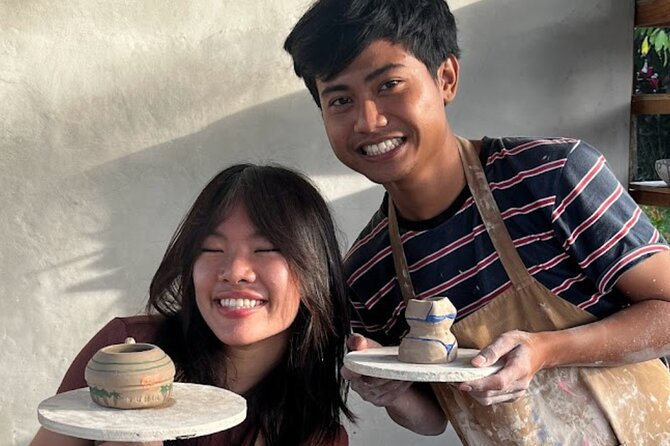
Clay makes a fine Bali souvenir. This three-hour class lets you work with 2kg of clay under the care of local artisans, using both hand-building and the pottery wheel to create pieces that are yours from the start. I like the direct contact with Balinese craft, and I like that beginners receive clear instruction rather than being left to guess. The main consideration is the location: the studio is in Singapadu, about 30 minutes from central Ubud in good conditions, and traffic can stretch that trip.
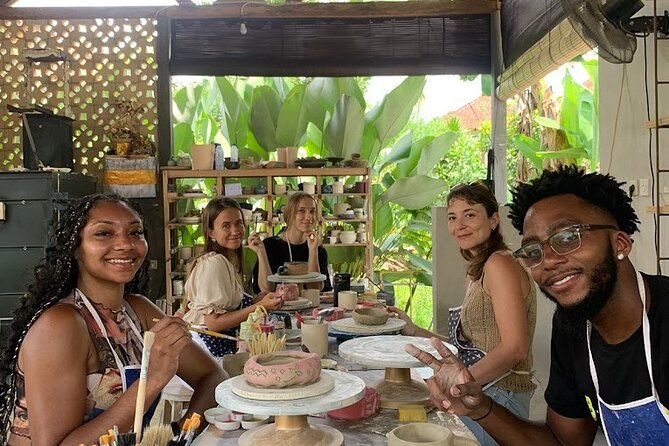
The setting adds to the appeal. The class takes place in a peaceful garden, and the small group limit of 10 keeps the lesson personal. I also appreciate the chance to make two pieces, one by hand and one on the wheel, though you need at least four days remaining in Bali if you want your work fired and returned. The activity is advertised in connection with Nusa Dua, but the stated meeting point is Tana Ampo Pottery Studio in Central Singapadu, so check your route carefully before booking.
In This Review
- Key Points Before You Book
- Why This Three-Hour Pottery Class Works
- Reaching Tana Ampo in Singapadu
- Starting With Clay and Basic Techniques
- Making One Piece by Hand
- Taking a Turn on the Pottery Wheel
- Finishing Your Pieces and the Four-Day Rule
- The Garden Setting and Local Instruction
- Is $31.31 Good Value?
- Who Will Enjoy This Activity Most?
- Practical Tips for a Better Class
- Should You Book the Singapadu Pottery Class?
- FAQ
- Where does the pottery class take place?
- Is the class in Ubud or Nusa Dua?
- How long does the pottery class last?
- How much clay is included?
- Can beginners take part?
- How many people can join the class?
- Can I make more than one pottery piece?
- Can I take my pottery home?
- What is included in the price?
- Can I cancel for a full refund?
Key Points Before You Book
- Make two different pieces: The class can include one hand-built item and one wheel-thrown item, giving you a useful taste of two basic pottery methods.
- Work with 2kg of clay: That is enough material for a proper hands-on lesson, not just a quick demonstration.
- Learn from local artisans: Instructors teach from the basics and help you shape, spin, and finish your work.
- Allow four days for finished pottery: The class notes say you need at least four remaining days if you plan to take your pieces home.
- Expect a Singapadu meeting point: Tana Ampo Pottery Studio is in Central Singapadu, Sukawati, Gianyar Regency, rather than central Ubud.
- Small groups help: The maximum group size is 10, a useful limit for a messy craft that needs individual help.
Why This Three-Hour Pottery Class Works
I like activities that show you something about Bali without turning culture into a stage show. Pottery does that in a simple way. You sit down, handle local clay, listen to instruction, and make something that carries the marks of your own hands.
The lesson is designed for beginners, but it also gives experienced potters enough room to practice. You receive 2kg of clay, then work through shaping and personal touches with guidance from the teaching team. The class is not just a quick chance to press your fingers into wet clay. It introduces several basic methods, including hand-building, wheel throwing, and molding.
The small maximum of 10 people matters here. Pottery is physical and slightly chaotic. Clay collapses, wheels wobble, and a shape that looked promising a moment ago can suddenly lean like a tired palm tree. A small class gives you a better chance of receiving help when that happens.
The experience lasts about three hours. That is a comfortable length for learning the basics without turning the activity into a full-day commitment. You have enough time to make more than one piece, but you should still expect an introduction rather than professional-level training.
A few more Nusa Dua and Jimbaran trips worth comparing
- ️ Bali Instagram Tour: The Most Famous Spots (Private & All-Inclusive)
★ 5.0 · 2,857 reviews - Nusa Penida Snorkeling Adventure (Private & All-Inclusive)
★ 5.0 · 1,197 reviews - Nusa Penida One Day Trip with All-inclusive
★ 4.5 · 743 reviews
Reaching Tana Ampo in Singapadu
The meeting point is Tana Ampo Pottery Studio, listed at C793+8PH, Central Singapadu, Sukawati, Gianyar Regency, Bali 80582, Indonesia. The activity ends back at the same meeting point.
This address deserves attention because the experience is described in connection with Ubud and Nusa Dua, while the physical meeting point is in Singapadu. Singapadu is about a 30-minute drive from central Ubud in ordinary conditions, according to the practical timing supplied for the class. Traffic can make the trip longer.
I would build extra time into your plan and avoid scheduling this immediately before a flight, dinner reservation, or another fixed activity. The class itself is around three hours, and your road time is separate. If you are staying in Nusa Dua, confirm the transport plan and total journey before paying. The information provided names the meeting point, but it does not state that transportation is included.
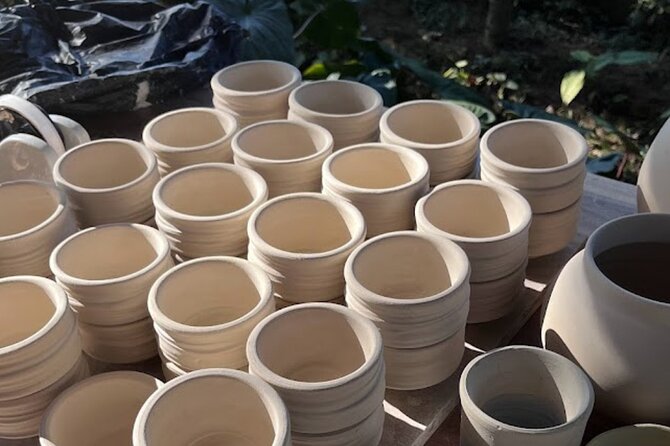
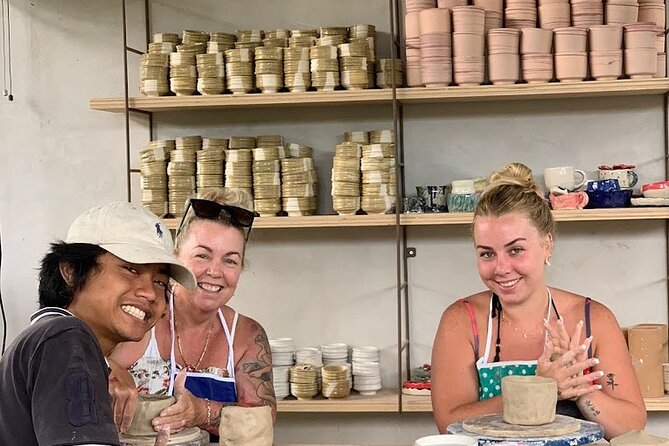
Once you arrive, the garden setting should help the class feel removed from the road. That calm environment is one of the activity’s strongest features. You are not working in a formal museum or a polished shopping center. You are making pottery in a working studio, with the surrounding greenery adding a quiet backdrop to the lesson.
Starting With Clay and Basic Techniques
The first part of the class focuses on the material itself. You work with 2kg of clay and learn how it can be shaped into useful or decorative objects. One especially useful lesson is that not all soil can be used to make ceramics, and different clays have different qualities.
That small bit of material knowledge gives the activity more value than a simple craft session. You begin to understand why pottery requires control, patience, and the right raw material. Clay may look forgiving, but it has limits. Too much pressure can distort a form, while too little preparation can make it difficult to shape.
The instructors teach from the basics, which suits first-time potters. You can expect help with the main stages of forming a piece, from molding and shaping to adding your own details. The instruction is described as easy to follow, and the teaching team has been praised for being helpful, creative, and professional.
The class also introduces three methods:
- Hand-building: You shape clay directly with your hands. This gives you close control over the form and works well for pieces with an irregular or personal look.
- Wheel throwing: You shape clay while it spins on a pottery wheel. This takes coordination and patience, especially for a beginner.
- Molding: You use a mold or shaping process to help form the piece.
You may find that hand-building feels more natural at first. The wheel is often the part people most want to try, but it can be the least predictable. That is not a flaw. It is part of learning how pottery works.
Making One Piece by Hand
The hand-built piece gives you a chance to slow down and make decisions at your own pace. Instead of trying to control a spinning form, you work directly with the clay and decide how the shape develops.
This method can suit families, friends, and anyone who wants a relaxed creative activity. The final object may have small variations in thickness or shape, but those marks are part of the appeal. A handmade bowl or vessel does not need to look factory-perfect to be meaningful.
You can add personal touches as you go. The supplied information does not specify the exact designs, colors, or decorative tools available, so it is best to ask the instructor what finishing choices are offered on the day.
The hand-building portion also gives you a useful comparison with wheel throwing. You learn that pottery is not one single technique. The same lump of clay can become a very different object depending on how you handle it.
Still Nusa Dua and Jimbaran, at a slower pace:
- Uluwatu Temple Entry and Kecak Fire Dance Ticket
★ 5.0 · 479 reviews - Kecak and Fire Dance Ticket at Uluwatu Temple
★ 4.0 · 222 reviews - Bali Instagram Tour: The Most Popular Spots ( Private All-Inclusive )
★ 5.0 · 162 reviews - Bali Instagram Tour – Lempuyang Bali Gate of Heaven
★ 5.0 · 149 reviews
Taking a Turn on the Pottery Wheel
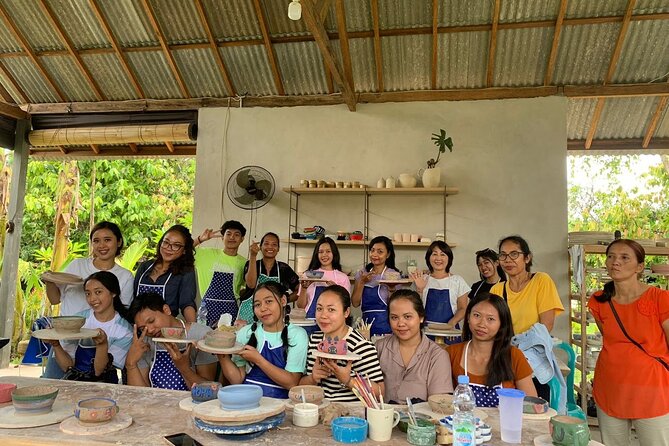
The wheel offers the class’s most classic pottery moment. You place clay on a rotating surface and try to center it before shaping the walls. If you have never tried it, the basic motion may look simple, but keeping the clay centered takes practice.
Do not judge the experience by the shape of your first attempt. The point is to learn how pressure, speed, and moisture affect the clay. The mentors guide you through the process, and the class is intended for beginners as well as people with some previous experience.
One useful feature is that you can make a wheel-thrown item as well as a hand-built item. That gives you two separate ways to remember the class. One piece reflects direct hand shaping, while the other records your first attempt to work with a spinning wheel.
The wheel may also be the most frustrating part of the activity. If your form collapses, you may need to start again or reshape the clay. I would treat that as part of the lesson, not as a failed souvenir. Pottery rewards repetition, and three hours can only introduce the process.
Finishing Your Pieces and the Four-Day Rule
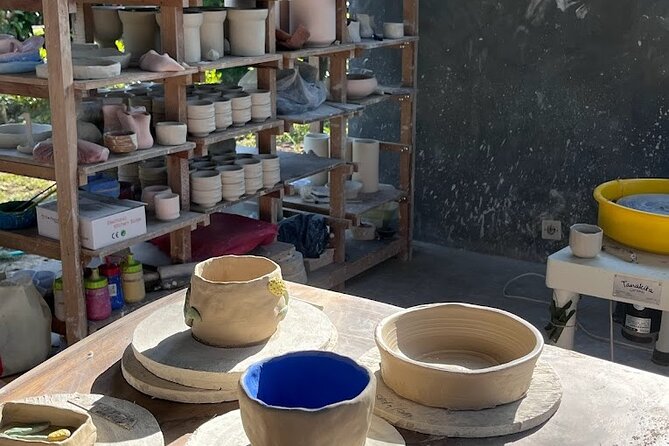
The class description says you can leave with beautifully crafted pottery and memories of the session, but the timing note is more important for your plans. If you want to take your work home, you need at least four remaining days in Bali.
That time is needed for the pieces to be handled after the class. The supplied details do not explain the full firing, drying, glazing, or collection process, so ask the studio exactly when and how you will receive the finished pottery. Do not book this on the final day of your holiday and assume you can collect the pieces before heading to the airport.
The four-day rule may be a drawback for short stays. If you are moving between islands or leaving Bali soon after the class, you may not be able to take the finished objects with you. In that case, the value comes mainly from the activity itself rather than the physical souvenir.
You should also ask about delivery or collection if you will not be staying nearby. Personal expenses are not included, and no delivery service is listed. That does not mean delivery is unavailable, only that you should not assume it is part of the price.
The Garden Setting and Local Instruction
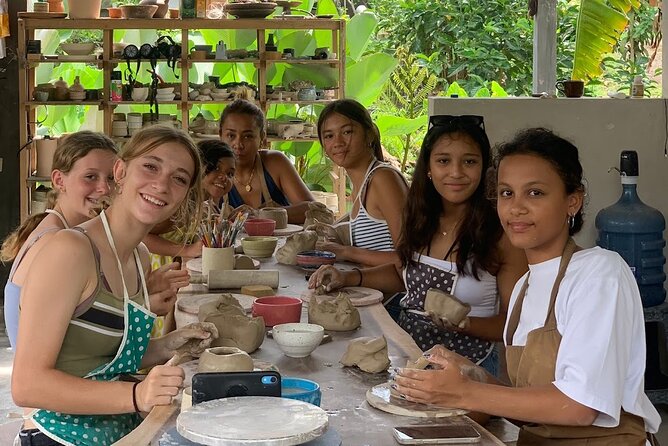
The garden setting is more than a pleasant background. It changes the pace of the afternoon. Pottery asks you to sit still, pay attention, and accept that the material will not always follow your plan. A quieter setting makes that easier.
The teaching team is another strong point. The class is led by local artisans, and the instruction covers the basics in a practical way. You are not simply watching a demonstration from a distance. You handle the clay and receive help as your piece takes shape.
The available information does not provide the instructors’ names, so I cannot point you toward a particular mentor. It does indicate that the mentors are professional and explain the methods clearly. That is especially valuable for first-time potters, who need calm guidance when the wheel starts spinning and the clay starts sliding.
The class also has an educational side. You learn about clay types, ceramic products, and the basic techniques used to make them. That makes this a good choice for families who want an activity with more substance than shopping or sightseeing alone.
Is $31.31 Good Value?
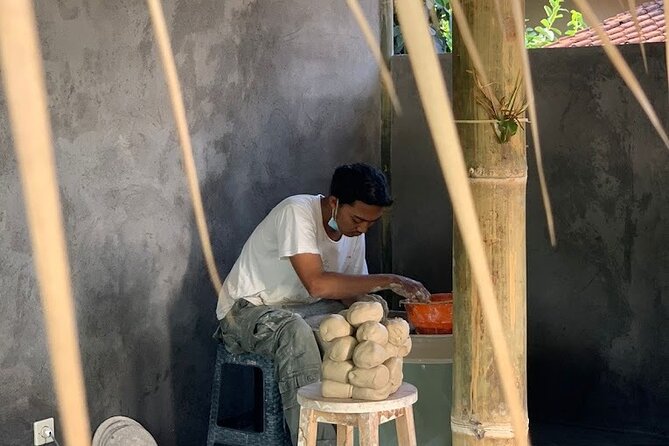
At $31.31 per person, the class is fairly priced for a three-hour, hands-on activity that includes instruction and 2kg of clay. The value is strongest if you want to make two pieces and enjoy learning a skill rather than simply collecting a finished item.
The fee includes:
- Guided pottery instruction
- 2kg of clay
Personal expenses are not included. The information also does not confirm that transport, firing, glazing, delivery, or hotel pickup are included. Those omissions do not necessarily make the class poor value, but they affect your real budget.
I would consider the price good for a small-group lesson with local instruction, especially if the garden setting and two techniques appeal to you. It is less attractive if you are looking only for a ready-made souvenir or if you have limited time in Bali and cannot wait four days for the work.
The class is booked, on average, six days ahead. That suggests you should not leave it until the last minute, particularly if your schedule has only a few open days. Confirmation is received at booking, and free cancellation is available up to 24 hours before the start time. Changes or cancellations made less than 24 hours before the activity are not accepted for a refund.
Who Will Enjoy This Activity Most?
I would recommend this class to first-time potters, creative couples, families, and friends looking for a break from Bali’s usual sightseeing routine. You do not need previous experience, and most people can participate.
It also suits anyone who values a personal souvenir. A market purchase can be beautiful, but making your own piece gives you a stronger memory of the place. Your pottery may not be perfectly symmetrical, and that is precisely why it can mean more.
This is less suitable for a very tight itinerary. The drive to Singapadu, the three-hour class, and the four-day wait for finished work require planning. It may also disappoint you if you expect a polished professional studio course or guaranteed museum-quality results.
The activity has a maximum of 10 people, but the exact group size for your date is not stated. If personal instruction is important to you, ask how many people are booked when you confirm.
Practical Tips for a Better Class
Plan the route first. The listed location is Tana Ampo Pottery Studio in Central Singapadu, and the drive from central Ubud can take about 30 minutes or longer with traffic.
Keep at least four days after the class if you want to collect your finished pottery. Ask what happens after the class, including drying, firing, finishing, and collection arrangements.
Wear clothing you can use comfortably around clay. The activity information does not provide a dress code, but pottery is a hands-on process, so practical clothing makes sense.
Use the full lesson to try both methods. The hand-built piece may feel easier, while the wheel may be more challenging. Together, they give you a better understanding of pottery than choosing only one technique.
Finally, keep your expectations realistic. The instructors can teach you the foundations, but you are still learning a craft. A crooked rim or uneven wall is not a disaster. It is proof that the object was made by you.
Should You Book the Singapadu Pottery Class?
Book it if you want a calm, hands-on cultural activity and have enough time in Bali to manage the drive and the four-day collection rule. The combination of local instruction, 2kg of clay, two pottery methods, and a garden setting gives you solid value at $31.31.
Think twice if you are staying in Nusa Dua without a clear transport plan, leaving Bali within four days, or hoping to walk away with a perfectly finished souvenir immediately. For the right schedule, this is an engaging way to spend three hours and learn something practical about Balinese pottery.
FAQ
Where does the pottery class take place?
The meeting point is Tana Ampo Pottery Studio, C793+8PH, Central Singapadu, Sukawati, Gianyar Regency, Bali 80582, Indonesia.
Is the class in Ubud or Nusa Dua?
The experience is described as a Ubud pottery class, and the general location is listed as Nusa Dua, but the stated start point is in Central Singapadu. Confirm the route before booking.
How long does the pottery class last?
The activity lasts approximately three hours.
How much clay is included?
The class includes 2kg of clay per person.
Can beginners take part?
Yes. The class teaches the basic techniques, and most people can participate.
How many people can join the class?
The maximum group size is 10 people.
Can I make more than one pottery piece?
The class can include two pieces, one made by hand and one made on the pottery wheel.
Can I take my pottery home?
You need at least four remaining days if you want to take your work home. Ask the studio about the exact collection and finishing arrangements.
What is included in the price?
The price includes a guided pottery class and 2kg of clay. Personal expenses are not included.
Can I cancel for a full refund?
Yes. You can cancel at least 24 hours before the start time for a full refund. Cancellations or changes made less than 24 hours before the start time are not accepted for a refund.
Just added around Nusa Dua and Jimbaran
- Uluwatu Temple & Kecak Fire Dance Tour★ 4.5 · 17 reviews
- Bali Private Tour: Waterfall, Monkey forest and Tanah lot sunset★ 5.0 · 12 reviews
- Ubud Countryside Sightseeing Tour by ATV Ride★ 4.5 · 3 reviews
- Besakih Mother Temple Tukad Cepung East Bali Private Guided Tour★ 5.0 · 5 reviews
- Ubud Private Tour From Cruise Port Benoa Bali All Inclusive★ 4.5 · 13 reviews
- A La Carte Spa – 180min Custom Plan★ 5.0 · 7 reviews
- Ubud Bali ATV Quad Bike Legong Temple cave with Lunch and Pool★ 5.0 · 6 reviews
- Half-Day Private Tour to Tanah Lot and Bali Royal Temple★ 5.0 · 8 reviews
Workshops, compared.


PRIVATE Authentic Balinese Cooking Class in Ubud at Putu’s Home
Read our review →

Learn to cook Indonesian food at Gili Cooking Classes Trawangan
Read our review →

Browse the lists this tour appears in