
Reviewed · UBUD MONKEY FOREST
Ubud: Monkey Forest, Rice Terraces & Sacred Temples
Ubud rewards a full day. I like the mix of sacred temples and natural scenery, especially the contrast between mossy stone shrines, rice fields, and free-roaming macaques. I also like that an English-speaking guide, driver, hotel pickup, entrance fees, bottled water, and a canang sari workshop are included. The main drawback is the length: at about 12 hours, this is a full, busy day, and Bali traffic can make the return journey tiring.
The most memorable part may be Mengening Temple, where you get a quieter look at Balinese purification traditions rather than simply moving from one famous sight to the next. I also value the small-group format, capped at 20 people, though a group of that size can still feel less personal than a private tour.
In This Review
- Key points to know before booking
- Why this Ubud day makes sense
- Goa Gajah, Bali’s carved Elephant Cave
- Monkey Forest, where temples share the shade
- Ubud Palace and the heart of town
- Tegalalang Rice Terrace and the best open views
- Mengening Temple and the canang sari lesson
- The guide and driver can shape the whole day
- Price, group size, and what you receive
- Who should book this Ubud tour?
- Should you book it?
- FAQ
- How long does the Ubud tour last?
- What time does the tour start?
- Is hotel pickup and drop-off included?
- Which main attractions are visited?
- Are entrance fees included?
- Is the tour conducted in English?
- Is the canang sari workshop included?
- How many people can join the tour?
Key points to know before booking

- Goa Gajah begins the cultural story: Explore the carved Elephant Cave entrance, old bathing pools, and temple ruins with admission included.
- Monkey Forest is more than a photo stop: Mossy shrines, stone carvings, jungle paths, and macaques make this one of Ubud’s most atmospheric visits.
- The canang sari workshop adds meaning: You learn how a small daily offering connects ordinary Balinese life with religious practice.
- Mengening Temple offers a quieter finish: This jungle temple focuses on purification and gives the day a more personal, reflective note.
- The day runs long: Pickup begins at 9:30 am, with a return in the late afternoon or early evening.
- Strong guide service is part of the value: Past guests singled out guides such as Dan, Ariana, Laras, Gunawan, and Haris for clear explanations and thoughtful help.
Why this Ubud day makes sense
Ubud can be awkward to plan on your own. The sights are spread across town and the surrounding villages, and road time can eat into your day. This tour handles the transport while giving you a guide to explain what you are seeing, which matters in Bali because temples are not just old buildings. Their courtyards, gates, offerings, bathing pools, and stone figures all carry religious meaning.
The day begins with hotel pickup at 9:30 am in an air-conditioned vehicle. From there, you travel toward Ubud’s cultural center and nearby temple sites. The schedule is built around several 90-minute visits, followed by a two-hour stop at Mengening Temple and another long drive back.
I like the order. Goa Gajah gives you an ancient site first, Monkey Forest adds wildlife and woodland, Ubud Palace provides a central town landmark, and Tegalalang brings open views and rice farming. The final temple visit slows the pace and gives the day a stronger sense of purpose.
The trade-off is that you are moving often. If you prefer long lunches, unplanned wandering, or sitting in one place, this will feel tightly packed. If you want to see several key Ubud sights in one day without arranging transport yourself, the structure is useful.
More Rice Terrace Tours in Ubud
- Ubud: Monkey Forest, Jungle Swing, Rice Terrace, and Water Temple
★ 5.0 · 7,160 reviews - Full-Day Tour to Water Temples and UNESCO Rice Terraces in Bali
★ 5.0 · 2,539 reviews - Ubud: Downhill Cycling with Volcano, Rice Terraces and Meal
★ 5.0 · 536 reviews
Goa Gajah, Bali’s carved Elephant Cave
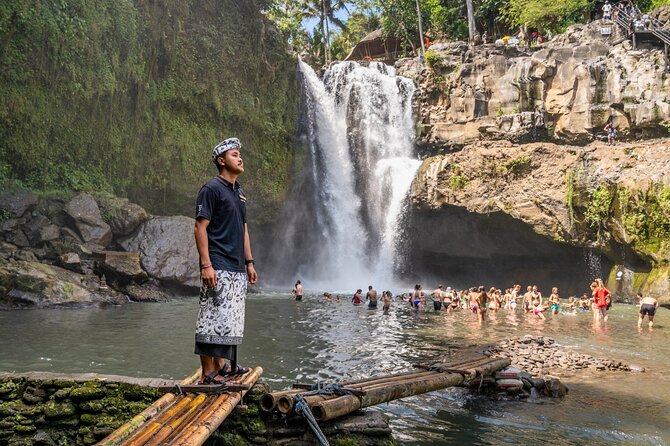
The first major stop is Goa Gajah, commonly called the Elephant Cave. You can expect a dramatic carved entrance, ancient bathing pools, and temple ruins spread around the site.
The cave itself is the visual hook. Its entrance looks like a stone face opening into the earth, which gives the place a theatrical first impression. Inside and around the complex, your guide can help explain the religious and archaeological details that are easy to miss when you are focused on taking photographs.
The bathing pools are another reason this visit earns its place. Water, stone figures, and temple courtyards show how ritual shaped the site. Goa Gajah is not simply a ruin to inspect from the outside. It remains part of Bali’s religious world, so modest dress and respectful behavior are sensible.
You have about 90 minutes here. That is enough time for a guided walk and photographs without turning the stop into a long archaeological study. I would pay close attention to the carved details, then use some of the time to look beyond the main entrance at the surrounding ruins.
Monkey Forest, where temples share the shade
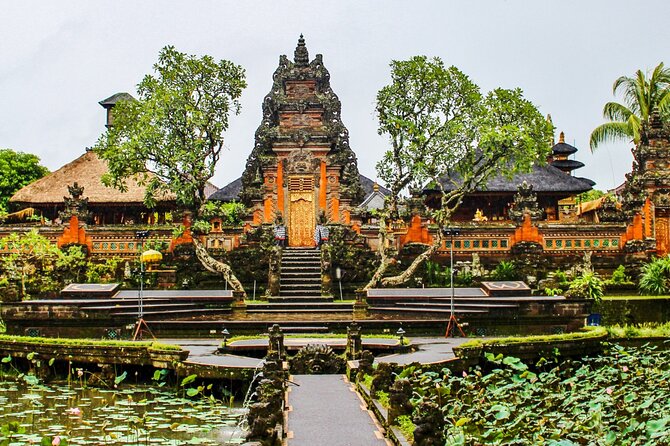
Next comes the Sacred Monkey Forest Sanctuary, one of Ubud’s most recognizable attractions. The setting combines thick greenery, moss-covered temples, old stone carvings, and hundreds of free-roaming macaques.
I like this stop because it is not a standard zoo visit. The monkeys move through a living temple area, and the forest gives the whole place a mysterious feel. You walk along leafy paths while shrines and carved figures appear between the trees.
The macaques are entertaining, but they are still wild animals. Keep your belongings secure and follow the guide’s instructions. Do not treat the monkeys like tame pets, even when one sits close to the path. The tour description promises a close look, not a controlled animal encounter, and that distinction is important.
The 90-minute visit should give you time to see the main paths and temple areas. You may find the forest crowded at popular points, but the guided format helps you understand what you are looking at instead of simply following the nearest monkey.
This is also one of the more photogenic stops. The combination of roots, stonework, shadow, and moving animals creates pictures that feel more like Ubud than a standard sightseeing snapshot. Still, keep the camera secondary to awareness. Macaques can be quick, and the temple setting deserves respect.
Ubud Palace and the heart of town
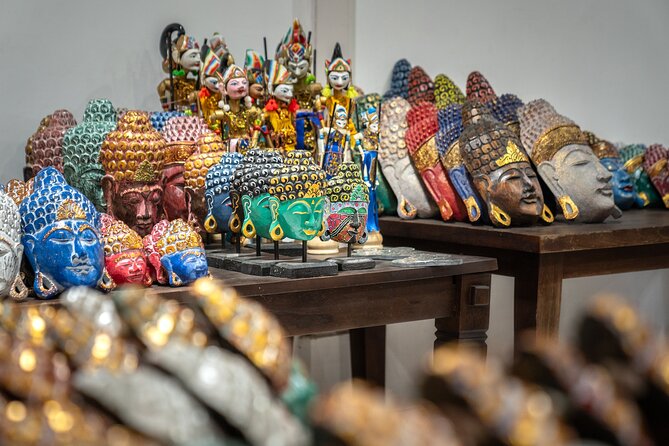
The tour then moves to Ubud Palace, a central landmark with traditional Balinese design. You explore its courtyards, gateways, and decorative stonework during another visit of about 90 minutes.
This stop works as a change of pace. After the enclosed forest, you get open courtyards and formal architecture. The palace helps connect Ubud’s present-day identity with its royal past, while the ornate gates show the careful balance of sculpture, symmetry, and religious symbolism found in Balinese buildings.
Do not expect a vast European-style palace. The interest here lies in the courtyards and architectural details rather than a long sequence of furnished rooms. A good guide can point out the meaning behind the designs and explain how the palace fits into Ubud’s cultural life.
The palace is also one of the more practical stops because it gives you a sense of Ubud itself, not just the outlying temples. If you have only seen Ubud through a vehicle window, this short visit provides a useful center point.
More Temple Tours in Ubud
- Uluwatu Sunset, Kecak Dance, and Dinner Jimbaran Beach
★ 5.0 · 3,681 reviews - Tanah Lot and North Bali Tour: Scenic Journey
★ 5.0 · 3,620 reviews - Bali Instagram: Gate of Heaven Temple Tour
★ 5.0 · 737 reviews - Ubud Tour with Monkey Forest Waterfalls Temples and More
★ 5.0 · 495 reviews
Tegalalang Rice Terrace and the best open views
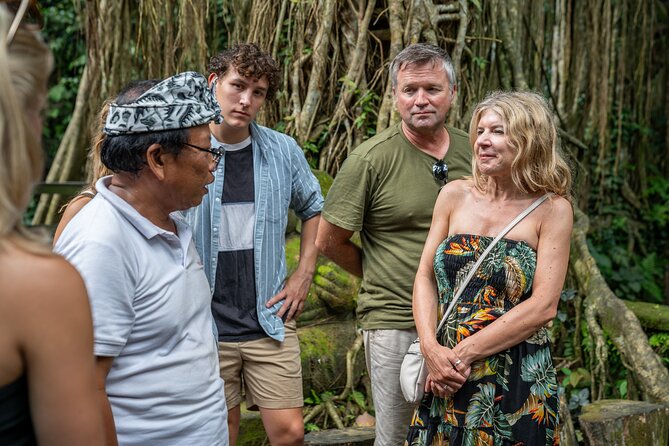
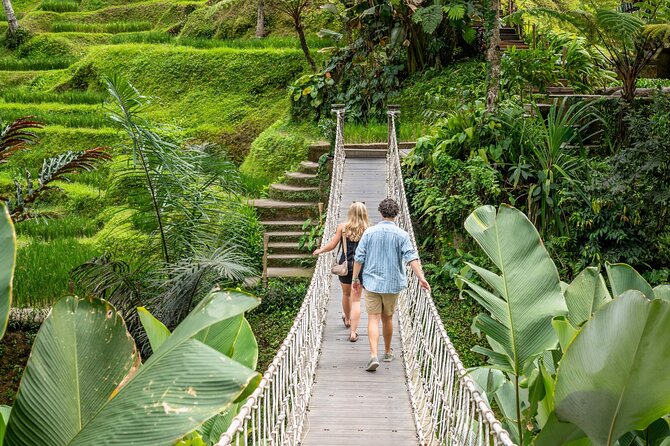
In the early afternoon, you reach Tegalalang Rice Terrace. From the viewpoint, you can see layers of bright green paddies cut into the hillside.
This is the tour’s broadest scenic stop. Goa Gajah and Monkey Forest draw your attention to stone and shade. Tegalalang opens everything up. I like that the tour includes time to simply look, take pictures, and appreciate how farming shaped the area.
The view is the main event. You are not promised a long hike through the fields, and the description centers on the viewpoint. That makes this a good stop for anyone who wants the classic Ubud rice-field scene without committing to a strenuous walk.
The timing also makes sense. By early afternoon, you have already visited several enclosed temple sites, so the open terraces give your eyes and feet a break. You should still expect a busy sightseeing area, since Tegalalang is one of Bali’s most photographed places.
The rice terraces are worth more than a quick photograph. Look at the slope, the water-fed fields, and the way the paddies follow the contours of the hillside. Your guide can add context about local farming and village life, which turns a pretty view into a clearer picture of how people use the land.
Mengening Temple and the canang sari lesson
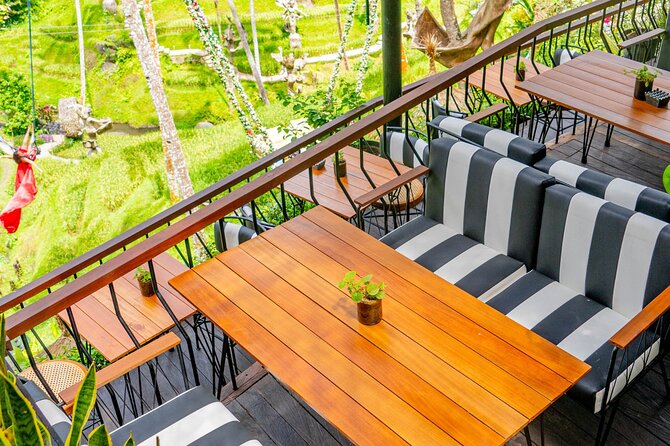
The final major stop is Mengening Temple, a quieter purification temple set in a jungle environment. You spend around two hours here, making it the longest stop of the day.
This is where the tour becomes more than a checklist of famous sights. Purification is an important part of Balinese Hindu practice, and the temple setting gives you room to understand that tradition. The visit is described as peaceful and less crowded than Bali’s better-known sites, so you can expect a slower, more thoughtful atmosphere.
You also take part in a canang sari offering workshop. A canang sari is a small arrangement used in daily Balinese offerings. Making one helps you see the care and symbolism behind something you might otherwise pass without noticing on a hotel step, shop counter, or temple wall.
I consider this workshop one of the tour’s best features. You are not merely told that offerings matter. You get a hands-on introduction to a practice that is part of everyday life. The activity also gives you a respectful way to engage with Balinese culture without turning a religious site into a performance.
The long stop can be a benefit or a challenge. If you enjoy cultural explanation and a calm setting, two hours gives the visit room to breathe. If your main goal is to collect as many sights as possible, it may feel slow after the faster morning stops.
Dress and behavior matter at a purification temple. The supplied information does not specify a dress code or provide details about entering the water, so you should follow your guide’s instructions rather than assume that participation means a full bathing ritual. The offering workshop is clearly included, while personal expenses are not.
The guide and driver can shape the whole day
With so many stops, the quality of explanation matters. The strongest praise centers on patient, friendly guides and careful drivers.
Specific guides named in the feedback include Dan, Ariana, Laras, Gunawan, and Haris. Ariana was praised for explaining Balinese culture at each stage, while Laras was noted for detailed English explanations and warm hospitality. Haris was appreciated for talking about the island, its people, religion, and traditions.
Gunawan’s practical help also made an impression when he assisted with a lost mouth retainer. That detail tells you something useful about the service style: the guide role can include helping solve small problems, not just reciting facts.
Drivers named include Mariyasa, Juliantara, Nengah, and Gus Alit. The feedback highlights friendly greetings, patience, and safe handling of Bali’s busy roads. You spend a lot of time in the vehicle, so a calm driver and a comfortable, air-conditioned car are not minor extras.
Names are not guaranteed for your departure, of course. Still, the repeated praise for guide communication and driver care is encouraging, especially for a long day with multiple transfers.
Price, group size, and what you receive
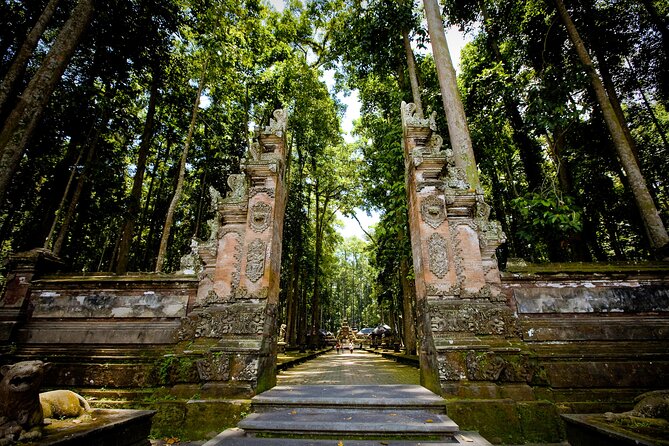
The price is $69 per person. For a 12-hour experience, that is a fair package if you value convenience. You receive hotel pickup and drop-off, an air-conditioned vehicle, an English-speaking guide, entrance fees, bottled water, and the offering workshop.
Entrance fees can add up when you visit several sites independently. You also avoid the work of arranging a driver, checking temple opening details, and negotiating a route across Ubud. The price makes the most sense for a first visit, for people staying outside central Ubud, or for anyone who wants one organized day.
The small-group limit is 20 people. That is not an intimate private tour, but it is more manageable than a large coach group. Your experience will depend partly on the final group size. A smaller departure should make questions and guide interaction easier.
Gratuities are optional, and personal expenses are not included. Bring money for anything you choose to buy, but the core sightseeing costs are covered.
The tour is booked, on average, 38 days ahead. That suggests you should not leave it until the last minute if your Bali dates are fixed. Confirmation is provided at booking, and most people can participate, though the long day and repeated walking may not suit everyone equally.
Who should book this Ubud tour?
I would choose this tour if you want a broad introduction to Ubud in one day. It suits first-time visitors who want temples, monkeys, rice fields, architecture, and a small cultural activity without piecing together separate trips.
It is also a good fit if you care about explanation. The strongest part of the day is not simply seeing Goa Gajah or Tegalalang. It is having someone explain why the sites matter and how religious practice appears in ordinary Balinese life.
Families and mixed-interest groups may appreciate the variety. The monkeys provide an immediate attraction, the rice terraces offer strong views, and the temples give the day cultural depth. Most people can participate, according to the tour information, but you should be comfortable with a long day and several sightseeing stops.
I would hesitate if you dislike scheduled touring or want a very quiet visit at every site. Monkey Forest and Tegalalang are popular places, and a group of up to 20 can never offer the freedom of traveling alone. The 9:30 am start is convenient, but it does not create an especially early, crowd-avoiding day.
Free cancellation is available up to 24 hours before the local start time. Changes or cancellations inside that window are not accepted for a refund, so keep that deadline in mind when plans are uncertain.
Should you book it?
Book this tour if you want a practical, culture-focused introduction to Ubud and prefer having transport, admission, and guiding handled in one price. The combination of Monkey Forest, Goa Gajah, Tegalalang, and Mengening Temple gives you more range than a simple temple tour, while the canang sari workshop adds a meaningful hands-on element.
Skip it if you want an unhurried private day or plan to spend hours exploring one site. For most first-time visitors, though, the $69 price is solid value, particularly because guide service and all listed entrance fees are included. The best reason to book is the balance: famous sights for orientation, quieter temple time for a more personal look at Bali.
FAQ
How long does the Ubud tour last?
The experience lasts approximately 12 hours, including hotel pickup, sightseeing, travel between stops, and the return journey.
What time does the tour start?
The stated start time is 9:30 am.
Is hotel pickup and drop-off included?
Yes. Pickup and drop-off at your hotel are included in the experience.
Which main attractions are visited?
The tour visits Goa Gajah, the Sacred Monkey Forest Sanctuary, Ubud Palace, Tegalalang Rice Terrace, and Mengening Temple.
Are entrance fees included?
Yes. Entrance fees for the included attractions are covered.
Is the tour conducted in English?
Yes. An English-speaking tour guide is included.
Is the canang sari workshop included?
Yes. The offering workshop is included in the tour price.
How many people can join the tour?
The activity has a maximum group size of 20 people.
More Monkey Forest Visits
- Gorilla Cave ATV Bali Ubud, Monkey Forest, Temple, and Lunch
★ 5.0 · 295 reviews - Bali ATV Quad Adventure – Ubud Monkey Forest and Waterfall
★ 5.0 · 261 reviews - Ubud Tour with Swing, Temple, Monkey Forest, and Waterfall
★ 5.0 · 224 reviews - Bali Quad Bike Through Gorilla Cave – Monkey Forest and Waterfall
★ 5.0 · 146 reviews
Just added around Ubud
- 3 Days for the best of Ubud Private Tour★ 5.0 · 63 reviews
- Bali Amazing Cooking Class★ 5.0 · 63 reviews
- Private Mount Batur Sunset Trekking – All inclusive tour★ 5.0 · 63 reviews
- Private Full-Day Handara, Ulun Danu, Jatiluwih and Tanah Lot Tour★ 5.0 · 63 reviews
- Half-Day Tour: Uluwatu Temple and Kecak Fire Dance Show★ 5.0 · 63 reviews
- Trunyan Cemetery, Hot Spring, Penglipuran Village, and Waterfall Tour★ 5.0 · 65 reviews
- Bali Iconic Tour with Buffet Lunch and Attraction Tickets★ 5.0 · 66 reviews
- Ubud ATV Quad Bike and Snorkeling at Blue Lagoon Beach★ 5.0 · 64 reviews
Ubud Monkey Forest, compared.
Monkey Forest, Jungle Swing, Rice Terrace, and Water Temple
Read our review →
Ubud Tour with Monkey Forest Waterfalls Temples and More
Read our review →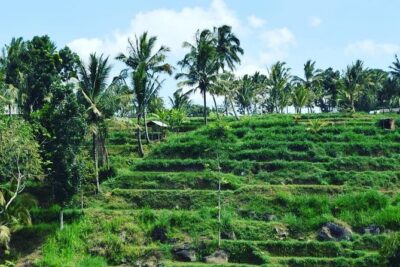
Tetebatu Walking Tour – Rice Terraces, Waterfall & Monkey Forest
Read our review →
Gorilla Cave ATV Bali Ubud, Monkey Forest, Temple, and Lunch
Read our review →
Tanah Lot Tour with Ubud Monkey Forest, Rice Terraces, and Waterfalls
Read our review →
Bali ATV Quad Adventure – Ubud Monkey Forest and Waterfall
Read our review →
Ubud Tour with Swing, Temple, Monkey Forest, and Waterfall
Read our review →
Ubud Day Tour: Sacred Monkey Forest, Tegenungan Waterfall, Rice Terrace
Read our review →Browse the lists this tour appears in