
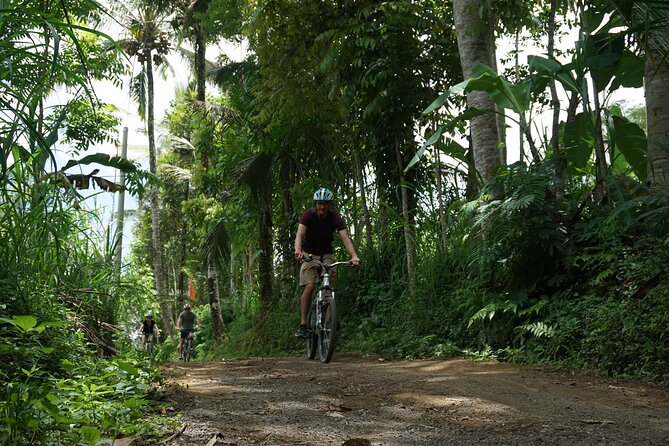
Reviewed · CYCLING TOURS
Kintamani Cultural and Nature Cycling Tour ( Manual Bike )
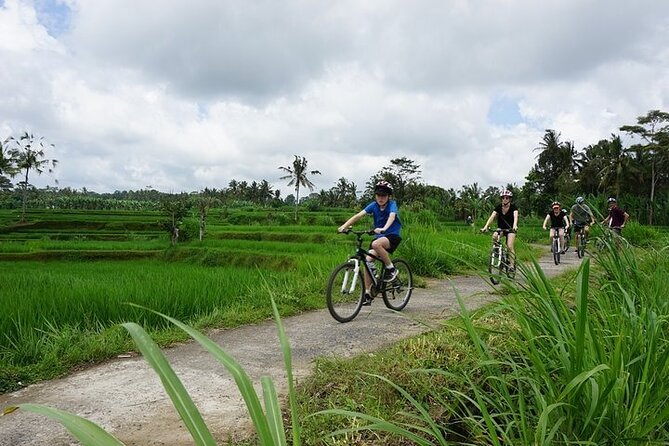
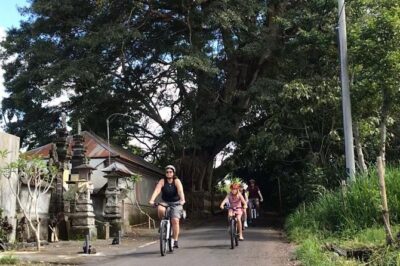
Trade traffic for two wheels and village lanes. This Kintamani cycling tour takes you mostly downhill from the cooler highlands toward Payangan, passing rice terraces, forest roads, temples, and homes rather than sticking to Ubud’s busiest sights. I like the gentle downhill route and the chance to visit a local house, while the included coffee breaks, snacks, and lunch make the $33 price especially appealing.
The main consideration is that this is still a real bike ride, not a smooth cruise. Some lanes are narrow or bumpy, and one poor experience involved slipping gears and a fall. Pickup can also run late, so keep your schedule flexible on tour day.
In This Review
- Key points to know before booking
- Why the downhill route works so well
- Coffee and breakfast above the rice terraces
- Starting in Abuan, where the ride really begins
- A local home and the everyday side of Bali
- Taro village, coffee, and Gunung Raung Temple
- Bresela rice fields and Bali’s irrigation system
- Finishing at Hyang Api Temple in Payangan
- Lunch at Greenkubu Restaurant and Swing
- What the $33 price includes
- The weak points you should plan around
- Who should book this cycling tour?
- Should you book the Kintamani cycling tour?
- FAQ
- How long does the Kintamani cycling tour last?
- Is hotel pickup available from Ubud?
- Is the cycling route mostly downhill?
- What food is included?
- What should I bring for the ride?
- Can children join the tour?
Key points to know before booking
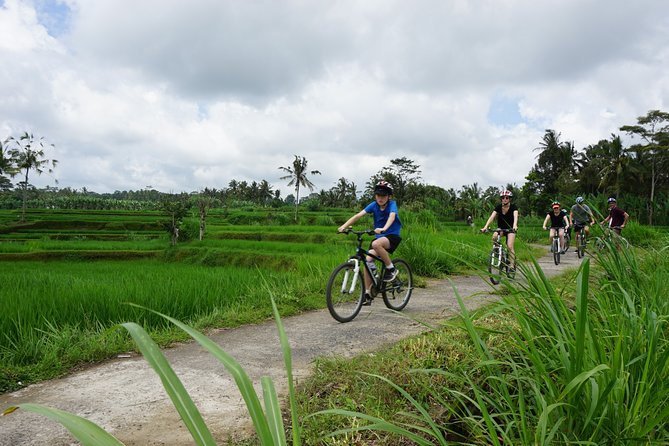
- About 95 percent downhill: The route is designed to make the ride manageable, though you still need confidence on a bicycle.
- Village life is the focus: You visit a local home, see rice irrigation, and pass home industries such as stonework and woodworking.
- Two guides often ride with the group: One leads and another stays behind to watch traffic and help anyone who needs support.
- Food is included: Expect a plantation coffee stop with a pancake or smoothie bowl, another break in Taro, snacks, and lunch at Greenkubu.
- The route leaves crowded Ubud behind: Forest lanes, back roads, rice paddies, and small communities provide the most memorable scenery.
- Allow seven to nine hours: Hotel pickup, the drive to Kintamani, cycling stops, meals, and the return journey fill most of a day.
Why the downhill route works so well
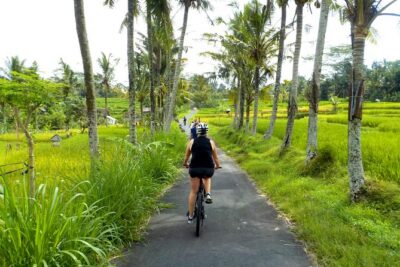
The tour begins in Abuan village in the Kintamani area, up in Bali’s cooler interior. From there, the road generally trends downward toward Payangan. The operator describes the ride as roughly 95 percent downhill, and that makes a big difference if you want to see the countryside without signing up for a punishing athletic outing.
You still need to know how to ride a bicycle. A downhill route brings its own challenges, especially when roads narrow, surfaces become uneven, or you need to control your speed. One Spanish-language account described the route as easy overall but noted narrow paths and occasional potholes that require confidence on a bike.
I would call this a gentle adventure rather than a lazy pedal. You get a workout, but the route appears far less demanding than a long climb through Bali’s hills. One rider felt it was just challenging enough to justify a spa treatment afterward. That is probably a fair description for many people.
The manual bicycles are important to consider. Most equipment feedback was positive, with bikes described as being in good condition. Still, one serious complaint involved gears slipping and jamming, which caused a fall. Before setting off, check the brakes, gears, saddle height, and tires. If something feels wrong, speak up immediately.
More Bike Tours in Ubud
- Electric Cycling Tour of Ubud with Free Hotel Transfer and Lunch
★ 5.0 · 1,397 reviews - Ubud: Downhill Cycling with Volcano, Rice Terraces and Meal
★ 5.0 · 536 reviews - Ubud eBikes Tour to Tegallalang Rice Terrace
★ 5.0 · 507 reviews
Coffee and breakfast above the rice terraces
The day starts with hotel pickup from Ubud, followed by a drive toward a Balinese plantation. At the plantation, you get a coffee break with a pancake or smoothie bowl. A gluten-free request can be met with a smoothie bowl, according to the tour details.
This first stop gives you time to eat before riding and enjoy the cooler highland setting. It also helps explain why the tour takes most of the day. You are not simply being dropped at a bike station for a quick ride. Transport, breakfast, cultural stops, and lunch are part of the package.
You then make a short stop at Tegallalang for photographs of the famous rice terraces. The stop lasts about 15 minutes, so treat it as a quick viewpoint rather than a long walk through the paddies. The advantage is efficiency. You see one of Bali’s best-known sights without spending a large part of the day there.
The drawback is that Tegallalang can be busy and photogenic in a polished, well-known way. The quieter sections later in the ride are where I would place more value. Tegallalang is the quick postcard; the village roads provide the fuller picture.
Starting in Abuan, where the ride really begins
At Kintamani, the group begins cycling from Abuan village. This is the point where the day changes from sightseeing by vehicle to seeing Bali at bicycle speed.
That slower pace matters. From a car, you might notice rice fields and houses, but you will not usually see the small lanes connecting them. On a bike, you can stop more easily, hear the guide explain what you are passing, and notice how homes, temples, gardens, and paddies fit together.
The guides play a major role here. Several named guides receive specific praise, including Gede, Ben, Wayan, Gudday, Amin, Yoga, and Madi. The strongest pattern is attentive supervision. Groups often have one guide at the front and one at the back, with warnings about traffic and hazards along the route.
That arrangement is useful on a mixed surface route. The lead guide can explain where to go, while the rear guide helps prevent anyone from being left behind. Families with children received extra care in one group, though the minimum child age is six and adult pricing applies over age 12.
A local home and the everyday side of Bali
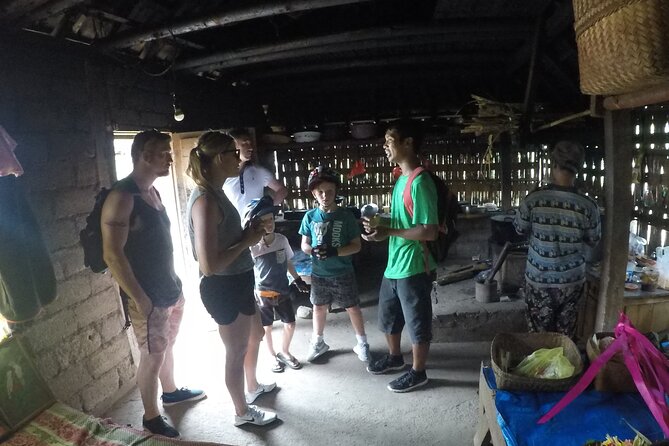
The first major stop is a visit to a local home in Abuan village. This is one of the tour’s strongest features because it shifts the focus away from Bali’s staged attractions and toward ordinary domestic life.
Your guide explains how Balinese people live, how religion fits into daily routines, and how village communities function. The visit is not described as a long formal presentation, so expect a brief cultural encounter rather than a full workshop or homestay.
I like this kind of stop because it gives context to everything you see from the saddle. A temple is not just a pretty building. A rice field is not simply a green view. The guide can connect those places to family life, farming, food, work, and worship.
The tour also points out home industries, including stone making and woodworking. These details are easy to miss from a tour bus. On a bike, you can slow down and see how local work forms part of the village scene.
You should approach the home visit respectfully. This is a living community, not a museum. Listen to the guide, avoid treating private spaces as photo props, and follow any directions about photography.
Still Ubud, at a slower pace:
- All-Inclusive Ubud Private Tour
★ 5.0 · 14,344 reviews - Best of Ubud Full-Day Tour with Jungle Swing
★ 5.0 · 8,571 reviews - Ubud: Monkey Forest, Jungle Swing, Rice Terrace, and Water Temple
★ 5.0 · 7,160 reviews - Best of Ubud 1-Day Private Tour
★ 5.0 · 4,451 reviews
Taro village, coffee, and Gunung Raung Temple
The route continues to Taro village, where you stop for another coffee break and visit Gunung Raung Temple. The temple is described as one of Bali’s most unusual, though the tour information does not provide a detailed explanation of its design or religious role.
That uncertainty is a reason to listen closely to your guide. The cultural value of the stop depends on the explanation you receive, not only on what you see. Guides such as Ben and Wayan were praised for answering questions and sharing personal insight into Balinese culture.
The Taro stop also breaks up the ride at a sensible point. Even on a downhill route, your hands, legs, and attention need a rest. Coffee, snacks, and a pause in the village make the day feel less rushed.
Bali’s temples are active religious places, so wear practical clothing that lets you follow local expectations. The supplied information does not specify a dress code, but respectful clothing is a sensible choice whenever a temple visit is included.
Bresela rice fields and Bali’s irrigation system
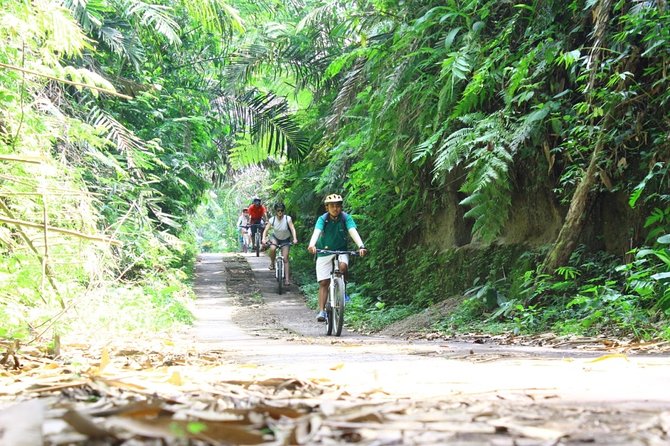
At Bresela, the group stops in the rice fields to learn how irrigation works. This may be the most useful stop for understanding why Bali’s paddies look the way they do.
The rice terraces are not simply shaped by scenery. Water has to move through them, and farming communities have to organize access and maintenance. The guide’s explanation helps you see the fields as working agricultural systems rather than decorative backdrops.
This is also where the cycling route earns its keep. Narrow paths through or beside rice fields can take you places a car cannot reach. One account praised the gentle ride through areas inaccessible by vehicle, while another highlighted the chance to see how families organize the paddies.
Expect uneven ground in sections. Sunscreen is advised, and a small backpack is useful for a camera, phone, water, and personal items. You should wear walking or sports shoes rather than sandals that offer little control on a bicycle.
Finishing at Hyang Api Temple in Payangan
The cycling portion finishes at Hyang Api Temple in Payangan. The stop lasts about 30 minutes, giving you a final cultural point before the meal and return transport.
Ending at a temple creates a clear sense of arrival after moving through villages and fields. It also means the cycling does not finish at a random roadside transfer point. You have time to catch your breath, look around, and hear more about the place.
The route’s downhill direction is not the same as saying every section is effortless. You need to steer carefully, use the brakes, and watch for other road users. The guides are there to point out hazards, but you remain responsible for controlling your bicycle.
This is where the second guide is particularly valuable. The group can stretch out on a downhill road, and a front-and-back arrangement gives you more security than riding as one loose pack.
Lunch at Greenkubu Restaurant and Swing
After cycling, the group stops for lunch at Greenkubu Cafe, also referred to as Greenkubu Restaurant and Swing. Lunch is included, which adds real value to a full-day outing.
Food matters here because the tour begins early, includes several stops, and takes seven to nine hours. Having breakfast, coffee, snacks, and lunch arranged means you do not need to spend time finding restaurants along the way.
The setting is part of the appeal, though the tour details do not specify the exact lunch menu or whether the swing is included as an activity. Do not book this tour specifically for a swing experience. The central offering is cycling and cultural sightseeing, with the restaurant as the final meal stop.
Previous food feedback was positive, with breakfast and lunch described as delicious. If you have dietary needs, mention them when booking. The information specifically confirms a gluten-free smoothie bowl request at the first food stop, but it does not promise a full range of special diets.
What the $33 price includes
At $33 per person, this tour offers a strong package for a full day. The price includes hotel pickup and return transport from Ubud, bicycle use, guides, coffee breaks, breakfast, snacks, and lunch. Admission is included at the plantation and lunch stop, while the listed village and temple visits have no separate admission charge.
The value is strongest if you want transport and meals handled for you. Reaching Kintamani independently and arranging a one-way cycling route could take extra time and planning. Here, the operator handles the long transfer, the route, the guide support, and the return journey.
There are a few payment details to watch. Payment by cash or bank transfer has no added charge, while Visa and Mastercard carry a 3 percent bank fee. The experience accepts up to 50 people, though smaller departures can feel much better on narrow village roads.
The published rating is 4.9 from 257 ratings, with 99 percent recommending the experience. Those numbers point to a very reliable overall product, but they should not hide the practical warnings about equipment, pickup timing, and return transport.
The weak points you should plan around
The most important warning concerns pickup. One complaint involved a driver arriving an hour late. A separate account said the driver could not drop the group back at the hotel because of traffic. These appear to be exceptions, but you should avoid scheduling a flight, spa appointment, or fixed dinner immediately afterward.
One person also reported being placed in a vehicle with a clearly sick family and becoming ill. That is a serious concern, even though it does not appear to be the usual experience. If you are unwell or notice a health issue in the vehicle, speak with the operator promptly rather than quietly accepting the situation.
There was also a complaint about a guide criticizing a booking made through Viator and the company not answering an email. That is not acceptable service. At the same time, most comments describe friendly, careful guides and well-organized rides, so the service record is strong but not perfect.
For the best chance of a smooth day, confirm your pickup details, arrive ready before the scheduled time, inspect your bicycle, and keep valuables in a small backpack rather than loose pockets.
Who should book this cycling tour?
I would recommend it to you if you can ride a bicycle confidently, want rural scenery, and prefer cultural contact over a checklist of major attractions. It suits couples, small groups, and families with children who are comfortable on bikes. The downhill format makes it more approachable than a full hill-climbing route.
You should think twice if you dislike uneven paths, have difficulty braking downhill, or want a tightly timed luxury excursion. The tour is active, communal, and road-based. It is not designed for someone who wants to remain in a private vehicle all day.
The experience also works well for a first visit to Bali because it combines several elements in one outing: plantations, rice terraces, temples, village homes, local work, food, and transport. You will not study each subject at length, but you get a useful introduction to how the countryside fits together.
Free cancellation is available if you cancel at least 24 hours before the local start time. Changes or cancellations inside that window are not accepted for a refund.
Should you book the Kintamani cycling tour?
Book it if your priority is seeing a quieter, more ordinary side of Bali while keeping the physical effort reasonable. The downhill route, two-guide support, village visits, and included meals make $33 a very fair price.
Before booking, be honest about your bike skills and leave space in your schedule for possible transport delays. Check the bicycle before riding and bring sunscreen, sports shoes, and a small backpack.
I would choose this tour for the countryside access. Tegallalang gives you the familiar rice terrace view, but the Abuan, Taro, and Bresela sections offer the more personal day: local homes, irrigation, temples, food, and roads too narrow for a standard sightseeing bus.
FAQ
How long does the Kintamani cycling tour last?
The full experience takes approximately seven to nine hours, including hotel pickup, transport, cycling, cultural stops, breaks, lunch, and the return journey.
Is hotel pickup available from Ubud?
Yes. Round-trip transport from Ubud is provided as part of the experience.
Is the cycling route mostly downhill?
Yes. The route is described as approximately 95 percent downhill, beginning in Abuan village in the Kintamani area and finishing at Hyang Api Temple in Payangan.
What food is included?
The tour includes a plantation coffee break with a pancake or smoothie bowl, another coffee break in Taro, snacks, and lunch at Greenkubu Cafe. A gluten-free smoothie bowl can be requested at the first stop.
What should I bring for the ride?
Walking or sports shoes, sunscreen, and a small backpack for your camera or phone are recommended.
Can children join the tour?
Yes. Children between six and 12 years old can participate, while the adult category applies to anyone over 12. The activity can accommodate most people who are able to participate in a cycling tour, and the maximum group size is 50.
Just added around Ubud
- 3 Days for the best of Ubud Private Tour★ 5.0 · 63 reviews
- Bali Amazing Cooking Class★ 5.0 · 63 reviews
- Private Mount Batur Sunset Trekking – All inclusive tour★ 5.0 · 63 reviews
- Private Full-Day Handara, Ulun Danu, Jatiluwih and Tanah Lot Tour★ 5.0 · 63 reviews
- Half-Day Tour: Uluwatu Temple and Kecak Fire Dance Show★ 5.0 · 63 reviews
- Mount Batur Sunrise Trekking★ 5.0 · 65 reviews
- Trunyan Cemetery, Hot Spring, Penglipuran Village, and Waterfall Tour★ 5.0 · 65 reviews
- Bali Iconic Tour with Buffet Lunch and Attraction Tickets★ 5.0 · 66 reviews
Cycling Tours, compared.
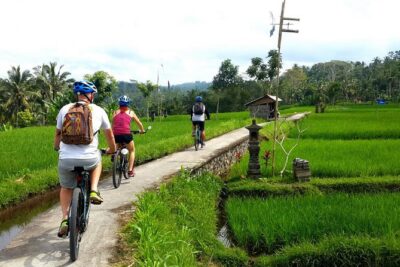
Electric Cycling Tour of Ubud with Free Hotel Transfer and Lunch
Read our review →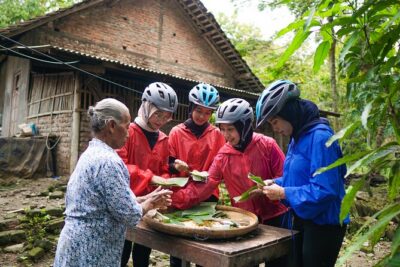
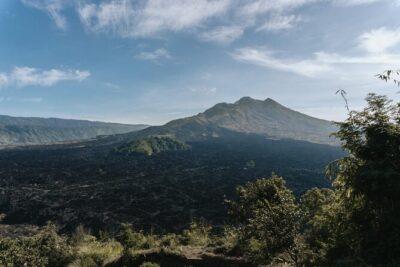
Downhill Cycling with Volcano, Rice Terraces and Meal
Read our review →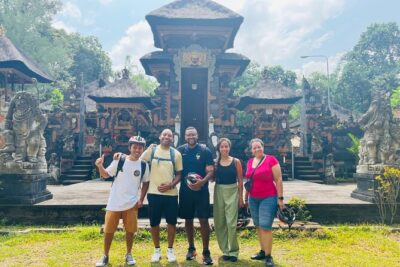
Half-Day Ubud Electric Cycling Tour to Tirta Empul Water Temple
Read our review →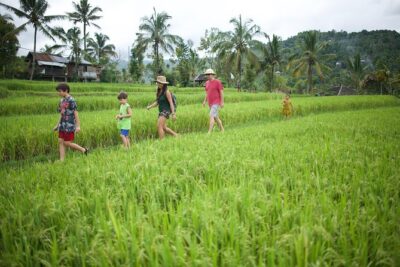
Browse the lists this tour appears in