
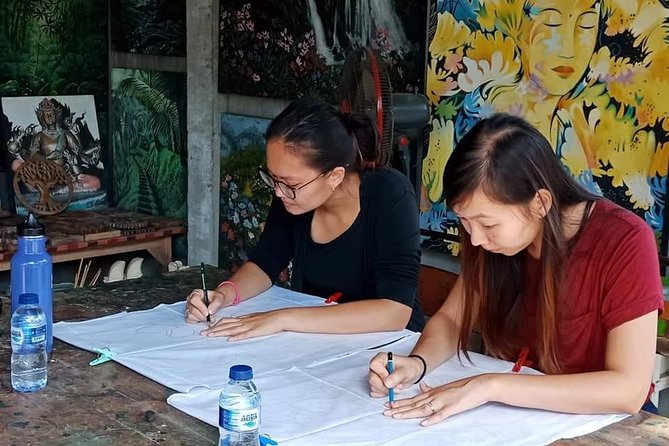
Reviewed · WORKSHOPS
Crafting Heritage Batik Painting Workshops
Slow art makes a fine Bali afternoon. At Five Arts Studio outside Ubud, you learn how Indonesian batik is made, then create a fabric piece of your own using hot wax, dyes, and patient guidance. I especially like the family-compound setting, where the studio feels connected to daily Balinese life rather than set up as a polished tourist attraction. I also like that you can work at your own pace, with help from the tutor whenever you need it.
The main consideration is that batik takes more patience than many first-timers expect. Drawing with hot wax requires a steady hand, and mistakes can become part of the final design. That is not necessarily bad, but you should arrive ready to accept a few happy accidents rather than chase perfect lines.
In This Review
- Key points to know before booking
- Why batik is worth your afternoon
- Arriving at Five Arts Studio in Keliki
- The first stage: choosing and tracing your design
- The wax stage requires a steady hand
- Adding dye and watching the pattern develop
- A calm studio with kind instruction
- Is $29 a good price for three hours?
- Who will enjoy this workshop most?
- How to plan your visit
- Should you book Five Arts Studio?
- FAQ
- Where does the batik workshop take place?
- How long does the experience last?
- What does the workshop price include?
- Can I bring home my batik artwork?
- Do I need previous art experience?
- Can children participate?
- Is lunch included?
- What is the cancellation policy?
Key points to know before booking
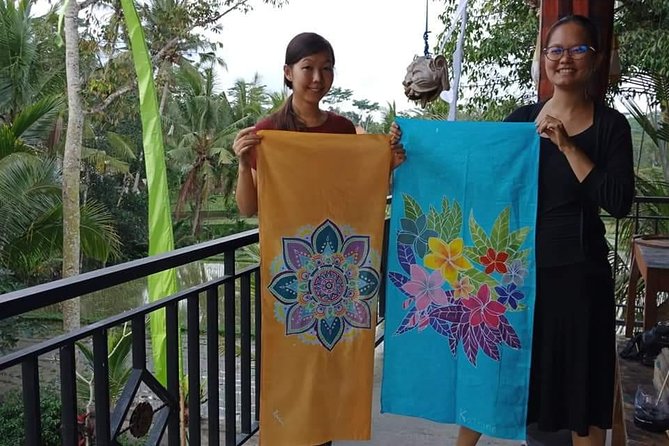
- A hands-on three-hour class: You make your own piece rather than simply watching a demonstration.
- A working family compound: Five Arts Studio is located on Jl. Raya Keliki, outside central Ubud, in a casual studio connected with a Balinese family home.
- Guidance without pressure: You can follow close instruction or work more independently once you understand the process.
- A real traditional technique: You sketch a design, draw with hot wax, and apply dye to selected sections of fabric.
- A useful souvenir: Your finished batik is personal, lightweight, and far more meaningful than a standard shop purchase.
- Good value at $29: Materials, snacks, coffee or tea, and mineral water are included.
Why batik is worth your afternoon
Batik is not simply painting on cloth. The defining technique uses wax as a barrier. You first plan a design, then trace it onto fabric with hot wax. Dye reaches the areas left open, while the wax protects selected sections. Once the wax is removed, the original fabric color remains along the lines.
That process gives batik its distinctive outlines and layered appearance. It also explains why the craft rewards patience. You are making several decisions at once: where the design should go, how much wax to apply, and which colors should fill each section.
The class offers a useful introduction to an important Indonesian art form without demanding that you arrive with artistic training. Several past participants were surprised by the difficulty of controlling the wax, but they were also pleased with the results. That is the right attitude for this activity. Your finished piece may not look like a master artist’s work, but it will carry your choices, errors, and effort.
I like that the class gives you enough structure to succeed while still leaving room for personal ideas. You can choose from suggested motifs and stencils, or bring your own concept. The studio’s hand-drawn design choices range from simple patterns to more detailed images, so you can select a project that matches your confidence.
A few more Ubud trips worth comparing
- Jakarta Heritage of Old Batavia Private City Tour (Historical)
★ 5.0 · 143 reviews - Bali Unesco World Heritage Sites Tour (Private & All-Inclusive)
★ 5.0 · 91 reviews - Private Tour: Bali UNESCO World Heritage Sites
★ 5.0 · 62 reviews
Arriving at Five Arts Studio in Keliki
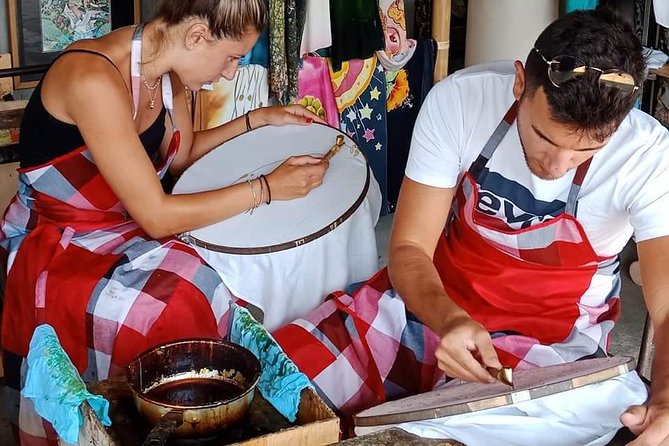
The meeting point is Five Arts Studio at Jl. Raya Keliki, Keliki, Tegallalang, Gianyar, Bali 80561. The activity begins and ends at the studio, so there is no separate drop-off point to arrange at the end.
The location is outside central Ubud, which matters when planning your day. You should allow enough time to reach Keliki and avoid scheduling a distant attraction immediately afterward. The studio is near public transportation, and mobile tickets make entry simple, but the provided information does not include hotel pickup. Check your own route carefully before setting out.
The setting is part of the appeal. This is a casual studio in a family home compound, not a large arts center. You get a closer look at how a Balinese artist lives and works, and the atmosphere is described as peaceful, rustic, and active. That combination gives the class a more personal feel than a standard craft demonstration.
The space has also accommodated a mix of people, including adults, children, local artists, and expatriates working alongside one another. The maximum group size is 30, so the class could feel intimate or moderately busy depending on the booking. If you prefer one-on-one attention, ask about the expected group size when arranging your visit.
The first stage: choosing and tracing your design
The workshop begins with an introduction to batik and the basic steps involved. The instructors explain the craft’s background, then help you choose a design. You may use one of the studio’s suggested motifs or bring an idea of your own.
Next comes tracing. You transfer the design onto your fabric before applying wax. This stage looks simple, but it sets the shape and balance of the entire piece. Take your time here. A clear outline makes the later wax work easier, while a rushed drawing can leave you trying to correct the composition as you go.
The studio’s pre-drawn options are useful if you are not sure what to make. You do not need to spend your valuable class time inventing a complicated image from scratch. At the same time, the range of patterns allows you to add your own color choices and small personal touches.
Families should find this stage manageable. One instructor, Agong, has helped a six-year-old through the full process, according to the experience details. Younger children will still need close adult supervision around hot wax, but the activity can work well for a mixed-age group.
The wax stage requires a steady hand
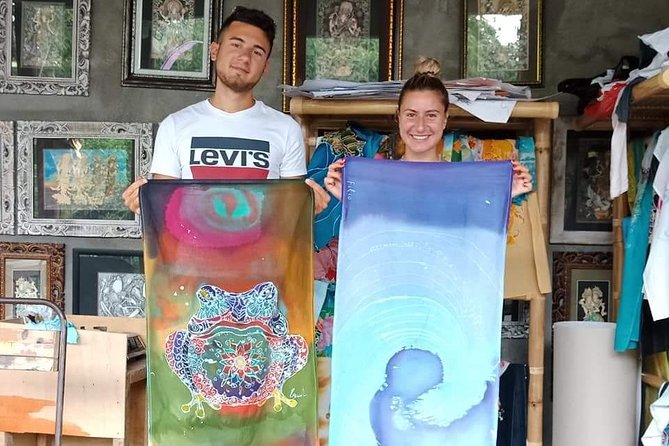
Once your design is traced, you draw over the lines with hot wax. This is the most distinctive part of the activity, and also the point where many beginners discover that batik is harder than it first appears.
The wax must follow the intended lines closely enough to control where the dye goes. A drop in the wrong place can change the design. You may find yourself concentrating hard, especially on curves and small details. The instructors guide you through the technique and can help you adjust when the wax does not behave as planned.
The teaching style appears to be encouraging rather than strict. You can ask for help, but you are not forced to hand over the creative work. That balance matters. A class that does everything for you would produce a neat object but not much of a personal achievement. Here, you handle each stage yourself under supervision.
My practical advice is to choose a design that is slightly simpler than your first impulse. Batik rewards strong shapes and clear lines. An ambitious, highly detailed pattern may be possible, but it will demand more time and control. If your wax line wanders, treat it as part of the design instead of trying to make every mark identical.
Still Ubud, at a slower pace:
- All-Inclusive Ubud Private Tour
★ 5.0 · 14,344 reviews - Best of Ubud Full-Day Tour with Jungle Swing
★ 5.0 · 8,571 reviews - Ubud: Monkey Forest, Jungle Swing, Rice Terrace, and Water Temple
★ 5.0 · 7,160 reviews - Best of Ubud 1-Day Private Tour
★ 5.0 · 4,451 reviews
Adding dye and watching the pattern develop
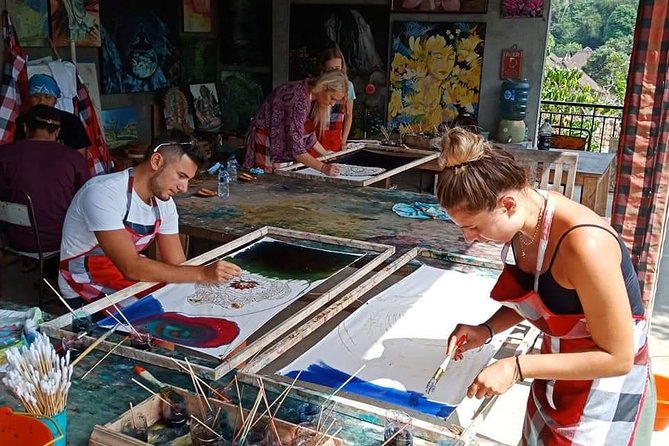
After the wax outlines are in place, you apply colorful dyes to selected parts of the fabric. This is where the design begins to change from a pale sketch into finished fabric art.
The wax acts as a boundary, allowing you to place color without covering every section. You can experiment with combinations and blends under the instructors’ direction. The process is not just about filling spaces. It is about seeing how color affects the balance of the whole piece.
The final reveal comes when the wax is washed off. The protected lines remain in their original color, separating the dyed areas and giving the piece its batik character. You may not know exactly how everything will look until this stage, which adds a small element of suspense.
The class includes the materials needed to make your own original batik. That is important for value. You are not paying only for a short demonstration or a studio visit. Your fee covers the practical making process, instruction, and a finished object to take home.
The completed work may not be perfectly uniform. That is part of the charm. The strongest advice from the experience is to let go of perfection. A stray wax mark or unexpected color blend can become a reminder of the afternoon rather than a flaw to hide.
A calm studio with kind instruction
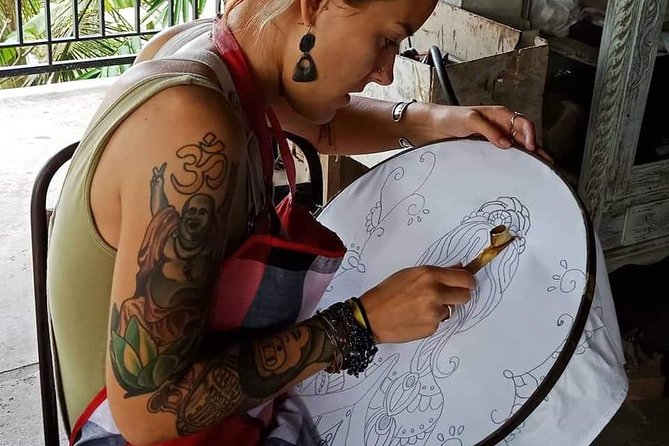
The teaching is one of the strongest reasons to choose this workshop. The instructors are described as patient, helpful, and easy to follow. English instruction is available, and the class includes a brief explanation of batik before you begin.
The atmosphere seems especially good for people who feel unsure about art. You are not expected to arrive with a portfolio or a confident hand. The tutors offer enough direction to get you moving, then encourage you to make choices for yourself.
I also like the flexibility in the level of help. Some people want close instruction throughout the process. Others prefer to understand the technique and then work quietly. Five Arts Studio can accommodate both styles, at least within the natural limits of the group.
Solo participants can still enjoy the class. One person who attended alone received individual guidance and completed a satisfying piece. A larger group may create more shared energy, but a quiet session can offer extra attention from the instructor.
Refreshments help keep the three-hour session comfortable. Snacks, coffee or tea, and mineral water are included. Lunch is not included, though local food can be ordered. Alcohol is available for purchase, but it has little place in a class involving hot wax and careful handwork.
Is $29 a good price for three hours?
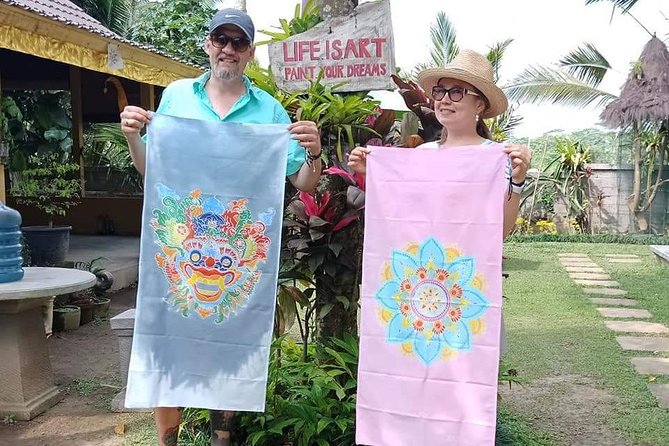
At $29 per person, this is a strong-value activity in Ubud if you want to make something rather than only look at art. The price includes instruction, all required materials, refreshments, and a unique souvenir.
The souvenir has practical advantages. A batik fabric piece is light and easy to pack, and it carries a clear connection to the place where you made it. You also understand the labor behind the art, which can change how you view batik sold in markets and galleries.
The value is not only financial. Three hours gives you enough time to learn the method without rushing through a quick tourist demonstration. You have room to sketch, apply wax, add dye, and see the finished result.
The one limitation is that the end product depends on your own patience and care. If you want a flawless decorative item, buying finished batik may be a better choice. If you want the satisfaction of making something yourself, the price is reasonable.
Who will enjoy this workshop most?
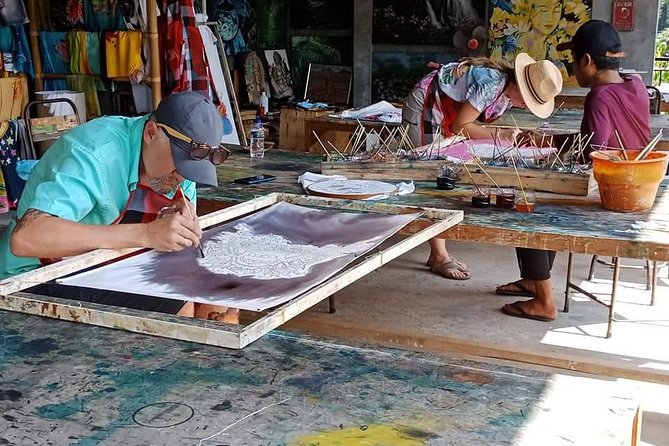
This class suits art lovers, curious beginners, families, and anyone looking for a quieter break from Ubud’s busy sightseeing schedule. You do not need formal artistic ability. In fact, people who arrive unsure of their coordination may find the finished result especially satisfying.
It is also a good choice for repeat visitors who have already seen temples, rice fields, and markets. The workshop gives you a different way to connect with Bali, through a local craft and the working environment of an artist’s family compound.
Children can take part, with adult help and supervision. The example of an instructor guiding a six-year-old suggests that younger participants can manage the activity with support. The maximum group size of 30 means parents should not assume constant one-on-one attention.
The physical requirements deserve a brief note. The activity information asks for a strong level of physical fitness, though the work itself centers on painting and careful hand movements. If you have concerns about sitting for a three-hour session or handling the materials, contact the provider before booking.
Service animals are allowed. The studio is near public transportation, but transport arrangements to and from your accommodation are not included in the details provided.
How to plan your visit
Set aside about three hours for the class itself. Add travel time to and from Keliki, since the studio is outside central Ubud. Because the activity returns to the meeting point, you can plan a later meal or another nearby stop without arranging a separate end location.
Wear something you can relax in while working with dyes and wax. The available information does not specify protective clothing or laundry facilities, so sensible clothing is a practical choice. Bring your mobile ticket and arrive ready to focus rather than squeeze the class between several tightly timed appointments.
If you have a motif in mind, bring the idea with you. Keep it clear and not too intricate. The studio also provides design suggestions, so you will not be stuck if inspiration fails to arrive before breakfast.
Free cancellation is available when you cancel at least 24 hours before the local start time. Changes or cancellations within 24 hours are not refunded, so leave room in your Bali plans before confirming.
Should you book Five Arts Studio?
I would book this workshop if you want a hands-on cultural activity with a personal result. The patient instructors, family-compound setting, and three-hour format give you more than a quick craft stop, while the $29 price includes the tools and refreshments you need.
Choose something else if your schedule is packed, you dislike careful repetitive work, or you want to leave Bali with a professionally finished textile rather than your own beginner piece. For everyone else, this is a calm, creative way to spend an afternoon near Ubud, with a souvenir that carries your own fingerprints in every line and color.
FAQ
Where does the batik workshop take place?
The workshop takes place at Five Arts Studio, Jl. Raya Keliki, Keliki, Kec. Tegallalang, Kabupaten Gianyar, Bali 80561, Indonesia.
How long does the experience last?
The workshop lasts approximately three hours.
What does the workshop price include?
The $29 price includes the batik materials, instruction, snacks, coffee or tea, and mineral water.
Can I bring home my batik artwork?
Yes. You create an original batik fabric piece during the workshop and take it home as a souvenir.
Do I need previous art experience?
No. The class is suitable for beginners as well as people with artistic experience. You receive guidance through each stage of the process.
Can children participate?
Yes. The experience can suit families, and an instructor has helped a six-year-old complete the process. Adult supervision remains important when hot wax is being used.
Is lunch included?
No. Lunch is not included, but local food is available to order.
What is the cancellation policy?
You can cancel at least 24 hours before the local start time for a full refund. Cancellations or changes made within 24 hours are not refunded or accepted.
Just added around Ubud
- Bali Amazing Cooking Class★ 5.0 · 63 reviews
- Private Mount Batur Sunset Trekking – All inclusive tour★ 5.0 · 63 reviews
- Private Full-Day Handara, Ulun Danu, Jatiluwih and Tanah Lot Tour★ 5.0 · 63 reviews
- Half-Day Tour: Uluwatu Temple and Kecak Fire Dance Show★ 5.0 · 63 reviews
- 3 Days for the best of Ubud Private Tour★ 5.0 · 63 reviews
- Full Day Private Guided Tour to Bali★ 5.0 · 65 reviews
- Balinese Cooking Class with Traditional Market Tour★ 5.0 · 66 reviews
- Mount Batur Sunrise Trekking★ 5.0 · 65 reviews
Workshops, compared.


PRIVATE Authentic Balinese Cooking Class in Ubud at Putu’s Home
Read our review →

Learn to cook Indonesian food at Gili Cooking Classes Trawangan
Read our review →
Browse the lists this tour appears in