
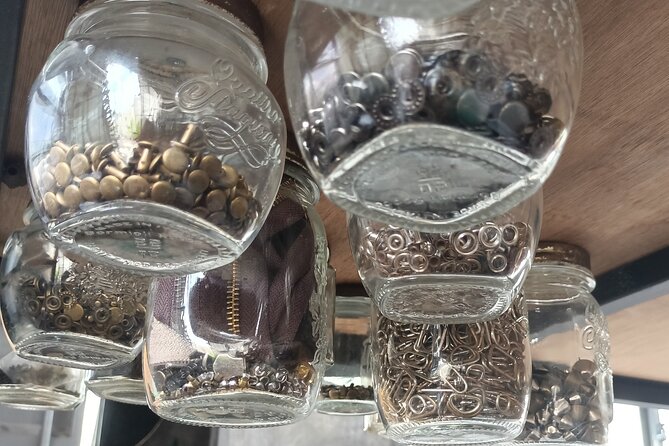
Reviewed · WORKSHOPS
Bali Leather Craft Workshop – 6 hours ( canggu / seminyak)
Make something you can carry home. This six-hour leather workshop near Seminyak gives you a calm break from Bali’s beach clubs and traffic, with patient instruction from local craftspeople and the chance to create a useful item from raw materials. I like the hands-on process, from cutting and dyeing to stitching and polishing, and I like the peaceful studio setting among rice fields. The main drawback is practical: the day can be very hot, and you may need to arrange your own lunch.
The workshop is held at Kaula Bali in Kerobokan Kaja, between the Seminyak and Canggu areas. Abenk and Opik have earned particular praise for their friendly, encouraging teaching. You work privately with your own group, which makes it easier to ask questions and choose your design. Just allow extra time to find the studio, since signage from the main road has been limited.
In This Review
- Key Points at a Glance
- Why This Workshop Makes a Good Bali Day Out
- Arriving at Kaula Bali in Kerobokan Kaja
- Choosing Your Leather Project and Design
- Cutting the Pattern for Size and Shape
- Adding Color and Character to the Leather
- Preparing and Stitching the Leather by Hand
- Smoothing Edges and Adding the Final Hardware
- The Studio Setting and the Pace of the Day
- Is the $46 Price Good Value?
- Who Will Enjoy This Most?
- Booking Details and Cancellation Advice
- Should You Book the Bali Leather Craft Workshop?
- FAQ
- Where does the leather craft workshop take place?
- What time does the workshop start?
- How long does the activity last?
- Where does the activity finish?
- What can I make during the workshop?
- Can I customize my leather item?
- Is the workshop private?
- Can I cancel for a full refund?
Key Points at a Glance
- Make a real leather item from start to finish: Choose from projects such as a wallet, purse, belt, jewelry set, bag, or knife sheath, depending on the workshop plan and your pace.
- Learn each stage by hand: You cut the pattern, color the leather, prepare holes, stitch pieces together, smooth the edges, and add hardware.
- Work with Abenk or Opik: Their calm, patient teaching suits beginners, teenagers, and people with different skill levels.
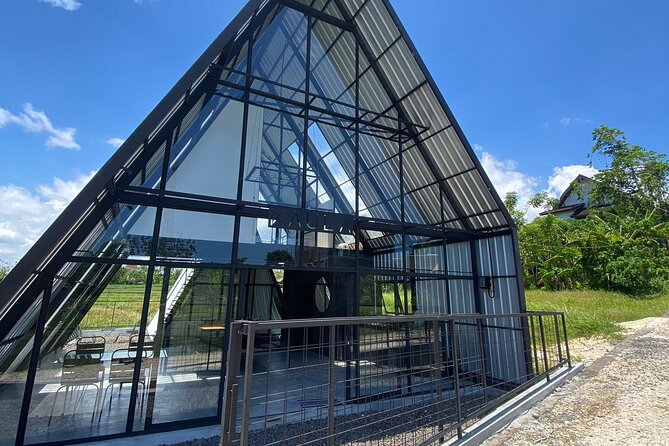
- Enjoy a quiet rice-field setting: The studio offers a slower, more peaceful atmosphere than the busy parts of Seminyak and Canggu.
- Keep your finished creation: The best souvenir here is not something picked from a shop shelf. It is an item you helped design and make.
- Plan for heat and food: The session lasts about six hours, and one person specifically wished they had known to bring lunch because the studio can become very hot.
Why This Workshop Makes a Good Bali Day Out
Bali offers plenty of short activities built around watching someone else perform a skill. This one asks you to take part. You do not simply visit a leather shop and buy a finished product. You learn how the pieces are shaped, colored, joined, and finished.
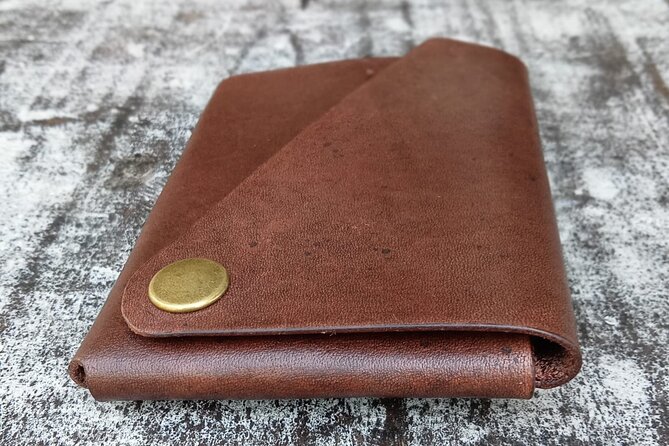
That difference matters. A handmade card wallet or purse becomes a personal reminder of your time in Bali. It may not have factory-perfect symmetry, and that is part of its appeal. Small variations show that you made it yourself.
I also like the pace. Six hours sounds long if you want a quick stop between sightseeing visits, but it gives you enough time to work carefully rather than rush through a souvenir project. The quiet setting helps. You can focus on the leather instead of squeezing through a crowded market or checking the clock every few minutes.
The workshop is private, so only your group takes part. That is useful if you are traveling with a friend, partner, family member, or teenage child. You can make different items, compare colors, and ask for help without feeling that you are holding up a larger class.
A few more Seminyak and Kuta trips worth comparing
- Bali Full-Day Traditional Village Sightseeing Trip All Inclusive
★ 5.0 · 3,069 reviews - Nusa Penida day trip: boat, 4 snorkeling, Manta rays & Land tour
★ 5.0 · 2,033 reviews - Experts Bali Driver : Best Bali Private Driver for Tour in Bali
★ 5.0 · 1,339 reviews
Arriving at Kaula Bali in Kerobokan Kaja
The meeting point is Kaula Bali Leather Workshop, at Gg. Yogya, Kerobokan Kaja, Kuta Utara, Badung, Bali 80361. The workshop is described as being in the Seminyak area, though the location is in Kerobokan Kaja, making it relevant for people staying around both Seminyak and Canggu.
The start time is 10:00 am, and the activity ends back at the same meeting point. You receive a mobile ticket, and confirmation is provided when you book. The area is near public transportation, though you should still check the exact route and allow time for local traffic.
The arrival point is one place where you need to pay attention. Signage has not always been easy to spot from the main street. I would save the address, keep the booking details ready on your phone, and avoid arriving at the last minute. A little preparation will make the first part of the day much less stressful.
Once inside, the mood changes. The studio is set in a quiet area with rice fields nearby, giving the class a more relaxed feel than you might expect from a workshop close to Bali’s busiest resort districts.
Choosing Your Leather Project and Design
A key part of the day is deciding what you want to make. The available examples include small wallets, purses, belts, jewelry sets, bags, card wallets, and knife sheaths. The exact selection may depend on the workshop arrangement and how much time your project requires.
This choice gives the class a personal edge. You can think about what you will actually use after returning home. A card wallet is a manageable project and a practical souvenir. A purse or bag gives you more room to show your taste, but it may require more time and careful stitching.
You can also customize details. Past participants have selected different leather textures, leather colors, and thread colors. Buttons, snaps, and other accessories add another layer of choice. If you enjoy making design decisions, this part can be as satisfying as the construction itself.
If you are attending with a friend, it is not necessary to make matching items. One person might choose a wallet while another works on a bag or purse. That variety makes the private format especially useful.
For a first leather project, I would choose something small unless you are happy to spend much of the day on detailed work. The finished object is still meaningful, and a simpler design leaves more time to learn each technique properly.
Cutting the Pattern for Size and Shape
The workshop begins with the basic structure of your item. You learn how to cut the pattern so the leather reaches the intended size and shape. This is a simple stage in theory, but accuracy matters. A slightly uneven cut can affect how the pieces line up later.
Your instructor guides you through the process rather than leaving you to guess. That support is important for beginners, especially if you have never handled leather tools before.
The pattern stage also gives you a clear sense of ownership. You are not only decorating a ready-made product. You are helping create the object’s basic form. Take your time here, because later stitching and finishing depend on clean edges and well-matched pieces.
Still Seminyak and Kuta, at a slower pace:
- Bali Nusa Penida West Private All-Inclusive Tour
★ 5.0 · 1,277 reviews - Bali Hai Sunset Dinner Cruise
★ 5.0 · 1,173 reviews - Mount Batur Sunrise Trekking Private Tour with Breakfast and Hotel Transfer
★ 5.0 · 885 reviews - Individual Bali Day Trip with Private Driver and Free WiFi
★ 5.0 · 755 reviews
Adding Color and Character to the Leather
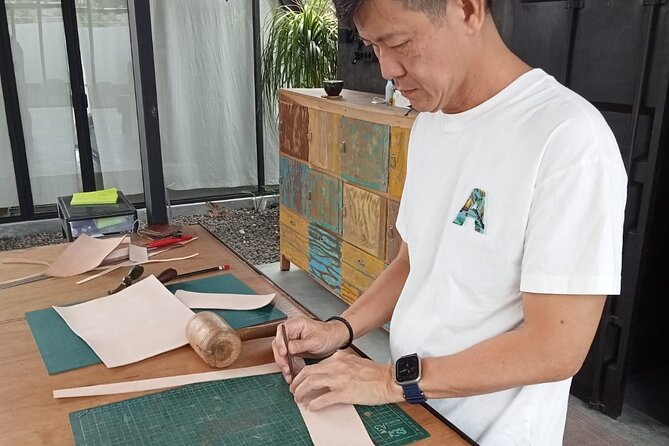
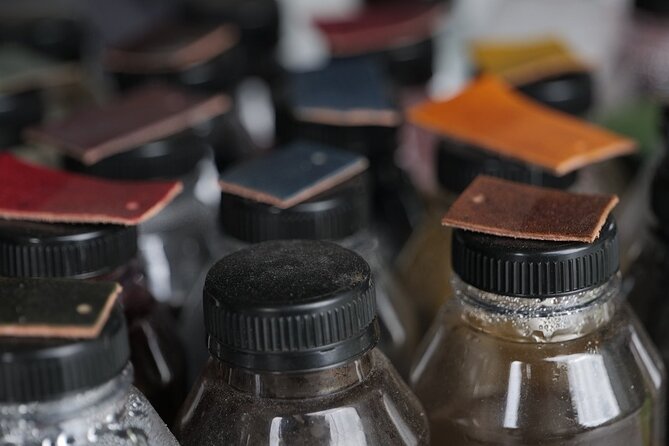
After cutting, you learn how to add color using dyes and finishes. This is one of the most creative parts of the class because the leather’s final appearance begins to take shape.
You can choose a look that feels subtle, bold, warm, or natural, depending on the available materials. The texture of the leather also affects the result. The workshop allows you to make choices about both texture and color, which means two people working on the same type of item can finish with very different results.
Dyeing is also a good reminder that handmade work takes patience. The color needs to be applied with care, and the finish should suit the item rather than simply cover it. Your instructor can help you understand how to approach the material and how to get the look you want.
The process was a highlight for people who made card wallets, since they were able to color the leather before assembling the pieces. That small stage turns a basic object into something distinctly personal.
Preparing and Stitching the Leather by Hand
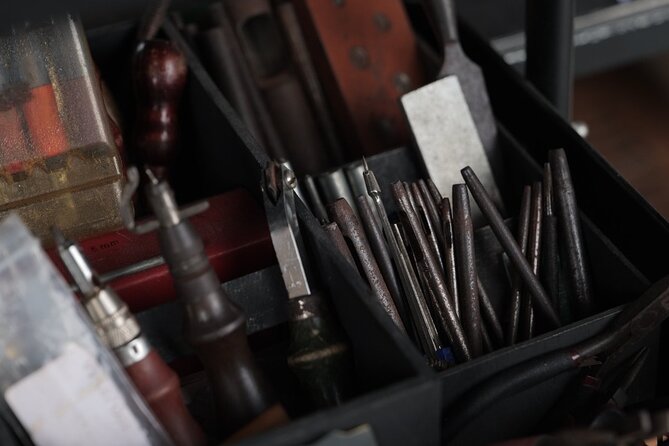
Once the leather is cut and colored, you prepare it for stitching. This makes the sewing process more precise and helps the pieces fit together properly.
Hand stitching is the heart of the workshop. You use needle and thread to join the leather pieces, creating a durable finished item. It is slower than machine sewing, but that is exactly why it feels rewarding. Each stitch records your work.
Do not expect to move through this stage instantly. Stitching leather requires attention, and you may need steady guidance at first. Abenk and Opik have been praised for taking their time, demonstrating the process clearly, and adjusting their help to match each person’s ability.
That teaching style makes the class suitable for beginners. You do not need prior leatherworking experience, and most people can participate. A teenager attending with a parent can enjoy it too, since the activity combines a practical skill with plenty of room for personal choices.
The private group format helps here. If you make a mistake or need a technique shown again, you can ask directly. There is no need to pretend you understood the first time.
Smoothing Edges and Adding the Final Hardware
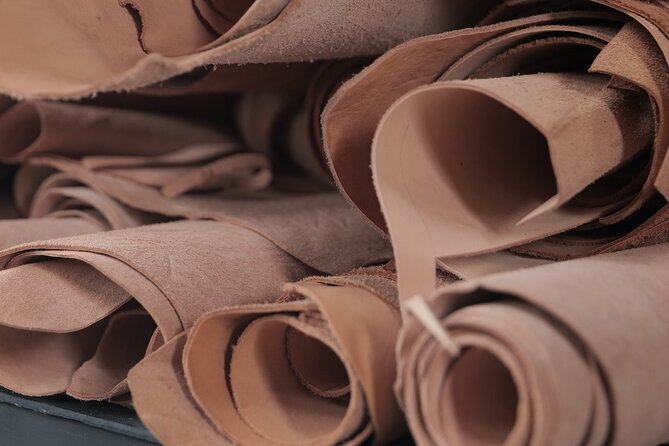
After stitching, you work on the edges. Polishing the leather helps the item feel smoother and more finished. You then apply a varnish to give the surface a professional look.
This stage can be easy to overlook when you first imagine the workshop, but it makes a major difference. A rough edge can make a handmade object feel unfinished. A smooth edge helps your wallet, purse, belt, or bag look and feel like something you can use regularly.
The final touches include snaps, buttons, or other accessories. These details affect both function and appearance. A snap can close a wallet or purse, while a button may become a decorative feature.
At this point, the project finally looks like the item you chose at the beginning. That gradual change, from flat pieces of leather to a finished object, is the strongest reason to book this activity instead of buying a souvenir.
The Studio Setting and the Pace of the Day
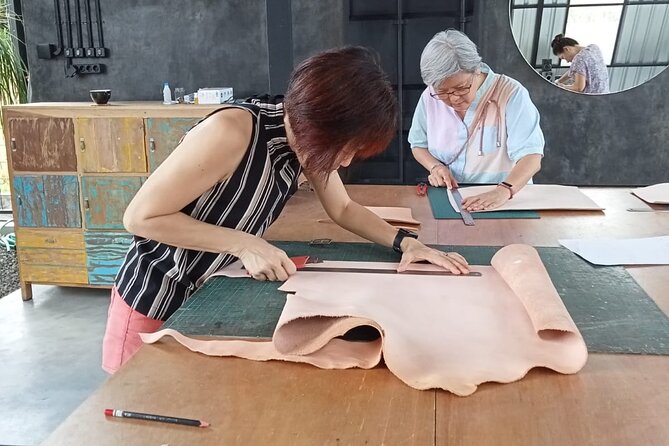
The rice-field setting is a major part of the appeal. The workshop gives you a quiet place to concentrate, with a slower rhythm than the busy resort streets nearby. I would choose it for a day when you want to use your hands and take a break from scheduled sightseeing.
The setting is not a luxury spa, and the weather can affect your comfort. One person described the heat as intense and wished they had known to bring lunch. Take that advice seriously. The class lasts around six hours, so you should be prepared for a full morning and afternoon activity.
Lunch arrangements are not clearly included in the supplied details. Plan ahead rather than assuming a meal will be provided. One person had a good experience being taken to a nearby warung for local food, but that should not be treated as a guaranteed part of the program.
Wear clothes that are comfortable for sitting and working. The activity involves dye, leather, thread, and finishing materials, so I would avoid anything you would be upset to mark. Bring water, especially during a hot day.
Is the $46 Price Good Value?
At $46, this is not the cheapest way to spend six hours in Bali, but the price compares well with a private, guided activity that includes instruction, materials, and a finished item to take home.
The value depends on what you want from a souvenir. If you only want a quick gift, you can spend less at a market. If you want a useful object with a story behind it, the workshop offers more. You are paying for the teaching time, the materials, the private format, and the chance to make design choices throughout the process.
Some people have finished with more than one item, including two bags, while others made smaller card wallets. Your final result will depend on the project and your pace, so I would not book expecting a particular number of products unless the provider confirms it directly.
The strongest value comes from the experience itself. You spend much of the day learning, making, and solving small practical problems. The finished leather item is the proof of that work.
Who Will Enjoy This Most?
I would recommend the workshop to:
- Couples who want a shared activity with a personal result
- Friends who enjoy creative projects
- Families with teenagers
- People who prefer local craft experiences to passive sightseeing
- Anyone looking for a useful Bali souvenir
- Beginners who want patient instruction
- Visitors staying around Seminyak, Kerobokan, or Canggu
It is less suitable if you want a short activity, dislike detailed handwork, or plan to pack the day with several other attractions. Six hours is a serious portion of your holiday.
It also may not suit you if you struggle in warm conditions or need a guaranteed meal break. The studio setting is peaceful, but comfort depends partly on the day’s heat and your preparation.
Booking Details and Cancellation Advice
The workshop begins at 10:00 am and returns to the original meeting point. It is a private activity, and only your group participates. Confirmation arrives at booking, and the mobile ticket is convenient for showing your reservation on arrival.
Free cancellation is available if you cancel at least 24 hours before the start time. Cancellations made less than 24 hours ahead are not refunded, and changes within that same period are not accepted. The cut-off follows Bali local time, so check the timing carefully if you are booking from another country.
Should You Book the Bali Leather Craft Workshop?
Book it if you want to slow down, learn a practical craft, and return home with something you helped create. The strongest reasons are the patient teaching from Abenk and Opik, the private class format, the peaceful rice-field setting, and the freedom to choose leather, color, thread, and finishing details.
I would book a smaller project if this is your first leather class, and I would prepare for the heat by bringing water and confirming lunch plans. Also save the workshop address because the signage may be easy to miss.
Skip it if you want a quick stop or a tightly packed sightseeing day. For everyone else, the $46 price offers a thoughtful alternative to ordinary shopping, with a keepsake that carries your own fingerprints and a much better story.
FAQ
Where does the leather craft workshop take place?
It takes place at Kaula Bali Leather Workshop, Gg. Yogya, Kerobokan Kaja, Kuta Utara, Badung, Bali 80361, Indonesia.
What time does the workshop start?
The workshop starts at 10:00 am.
How long does the activity last?
The workshop lasts approximately six hours.
Where does the activity finish?
The activity ends back at the original meeting point at Kaula Bali.
What can I make during the workshop?
Possible projects include a wallet, purse, belt, jewelry set, bag, card wallet, or knife sheath. The specific project may depend on the workshop arrangement.
Can I customize my leather item?
Yes. You can make choices such as the leather texture, leather color, thread color, and finishing accessories, including snaps or buttons.
Is the workshop private?
Yes. Only your group participates in the activity.
Can I cancel for a full refund?
Yes, if you cancel at least 24 hours before the experience start time. Cancellations made less than 24 hours in advance are not refunded.
Just added around Seminyak and Kuta
- Bali-Nusa Penida. East Part. Private car. All-inclusive★ 4.5 · 15 reviews
- Ubud Private Tour : Ubud Temple and Authentic of Ubud★ 5.0 · 18 reviews
- Bali Swing Hot Spring And Waterfall Private Guided Tour★ 5.0 · 50 reviews
- Ubud Monkey Forest Sanctuary Tours and Cretya★ 5.0 · 3 reviews
- Ubud Tours and Cretya Day Club Pool★ 5.0 · 3 reviews
- Bali Adventure Tour: Hidden Canyon, Tegenungan Waterfall, Goa Gajah temple★ 5.0 · 48 reviews
- Penglipuran Village Waterfall Swing Private Guided Tour★ 5.0 · 13 reviews
- Bali Sightseeing Car Hire with English-speaking Guide and Driver★ 5.0 · 24 reviews
Workshops, compared.


PRIVATE Authentic Balinese Cooking Class in Ubud at Putu’s Home
Read our review →

Learn to cook Indonesian food at Gili Cooking Classes Trawangan
Read our review →
Browse the lists this tour appears in