
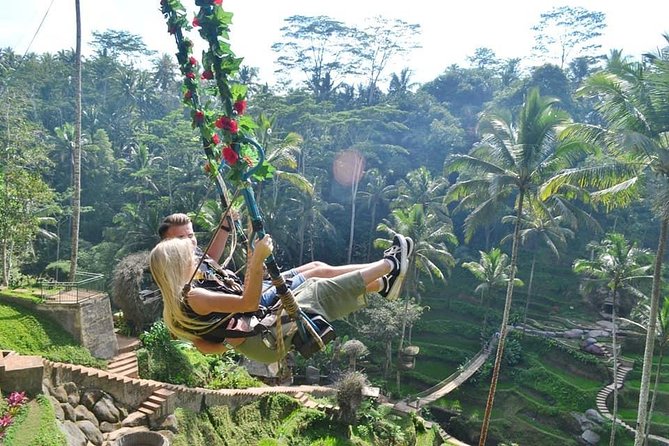
Reviewed · UBUD TOURS
Ubud Trip, The Best of Ubud in a day – All Inclusive
Ubud rewards a well-planned day. This private 10-hour outing links Bali’s working arts villages with three of the area’s biggest sights, including Tegalalang Rice Terrace and Tirta Empul’s holy spring. I like the air-conditioned car, hotel pickup, and the chance to travel with a private guide instead of following a large group. I also like that entrance fees, sarongs, mineral water, and transport are included.
The main trade-off is time. The schedule is full, with six stops and several long visits, so traffic or a leisurely start can make the day feel rushed. Lunch is not included, and the art villages can naturally lead you toward shopping, so bring a clear idea of what you want to buy, if anything.
In This Review
- Key Points at a Glance
- What This Ubud Day Tour Is Really Trying to Do
- Batubulan: Seeing How Balinese Cloth Is Made
- Batuan: Traditional Homes, Paintings, and Wood Carving
- Tirta Empul: Bali’s Holy Water Temple
- Tegalalang Rice Terrace: Bali’s Famous Farming View
- Tegenungan Waterfall: A Cool Finish, Depending on Conditions
- Celuk Village: Traditional Silver and Gold Work
- Why the Private Car and Guide Matter
- Is $48.73 a Good Price for a Full Day?
- Who Should Book This Ubud Experience?
- Practical Tips for Making the Day Better
- Should You Book the Best of Ubud in a Day?
- FAQ
- How long does the Ubud tour last?
- Is hotel pickup included?
- Is this a private tour?
- Are entrance fees included?
- Is lunch included?
- Is swimming allowed at Tegenungan Waterfall?
- What happens if bad weather cancels the tour?
Key Points at a Glance
- Six distinct stops in roughly 10 hours: You move from Batubulan and Batuan craft workshops to temples, rice terraces, a waterfall, and Celuk jewelry makers.
- A private guide makes the difference: Guides such as Ketut and Katut receive especially strong praise for explaining Balinese customs, ceremonies, art, and daily life with humor.
- Tirta Empul is more than a photo stop: You can watch or take part in the temple’s purification ritual, following the site’s rules and wearing the provided sarong.
- The price covers the costly extras: At $48.73 per person, admissions, private transport, a driver-guide, water, and a sarong are included.
- Lunch and purchases are on you: Plan for a meal during the day and budget separately if the workshops tempt you with cloth, carvings, paintings, or jewelry.
What This Ubud Day Tour Is Really Trying to Do
This is not a slow village walk or a single temple visit. It is a broad introduction to Ubud and its surrounding communities, built around the idea that Bali’s culture is found in working villages as much as in famous sights.
You spend the day in a private, air-conditioned vehicle with pickup from your accommodation. That matters in Bali, where heat and traffic can wear you down quickly. Instead of arranging separate taxis between distant stops, you have one driver who knows the route and can keep the day moving.
The guide is central to the experience. The most praised guides, including Ketut and Katut, are described as friendly, funny, flexible, and good at explaining what you are seeing. Their role goes well beyond driving. You can ask about temple rituals, traditional houses, ceremonies, wood carving, jewelry, paintings, and street life as the day unfolds.
I would think of this as an efficient first look at Ubud. You see a lot, but you do not get unlimited time at any one place. If you want a quiet morning at one rice terrace or a long swim beneath a waterfall, a shorter custom tour may suit you better.
A few more Ubud trips worth comparing
- All-Inclusive Ubud Private Tour
★ 5.0 · 14,344 reviews - Best of Ubud Full-Day Tour with Jungle Swing
★ 5.0 · 8,571 reviews - Ubud: Monkey Forest, Jungle Swing, Rice Terrace, and Water Temple
★ 5.0 · 7,160 reviews
Batubulan: Seeing How Balinese Cloth Is Made
The first stop is Batubulan, a village known for its artists and traditional cloth production. The focus here is batik, made using traditional methods for Balinese clothing.
This stop gives the day a useful beginning. You are not simply looking at a finished souvenir in a shop. You get a chance to see how the cloth is produced and to understand the handwork behind it. For anyone interested in textile design, this may be one of the more useful parts of the morning.
The visit lasts about an hour and has no separate admission charge. You may find products available for purchase, but buying is not included. I would treat the stop as a demonstration first and a shopping opportunity second. Look closely at the patterns and ask the guide to explain how the fabric is made before deciding if something belongs in your suitcase.
Batuan: Traditional Homes, Paintings, and Wood Carving
Batuan receives the longest art-focused visit, about two hours. Here you see a traditional Balinese house compound and temples, along with artists making paintings and wood carvings in traditional ways.
This is where the tour moves from general sightseeing to cultural explanation. A Balinese house compound is not simply a single building. The arrangement of homes, shrines, courtyards, and working spaces reflects family life and religious practice. Your guide can help connect what you see to Balinese customs rather than leaving you to guess at the meaning of each structure.
The art demonstrations also give you a look at process. You can watch carving and painting while the work is being done, then compare that with finished pieces. The best guides on this tour are praised for explaining the background of the art, ceremonies, and everyday culture in a lively way.
Two hours is generous compared with some of the other stops, but it can feel long if you are not interested in art or shopping. If you enjoy meeting makers and seeing handwork up close, this is a strong part of the day. If not, ask your guide how to use the time well.
Tirta Empul: Bali’s Holy Water Temple
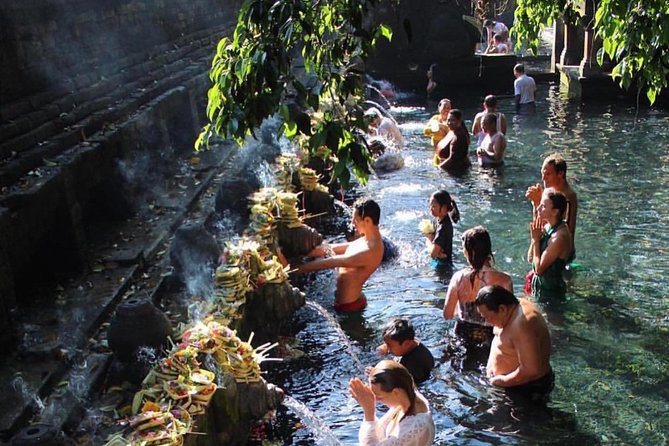
Tirta Empul is the spiritual heart of the route. The temple is known as a holy water temple, and people come here for purification, especially on important days such as the full moon.
You can expect to see people entering the clear water as part of a cleansing ritual. This is not just a decorative temple pool. It is an active religious place, so respectful behavior matters. Keep your voice low, follow your guide’s instructions, and watch what people are doing before taking photographs.
A sarong is included, which is practical for temple entry. The admission fee is also covered. The listed visit lasts about two hours, giving you time to see the complex and understand the purification practice rather than racing through it.
If you want to participate in the water ritual, ask the guide what is appropriate. The tour information confirms that people enter the water for purification, but it does not promise that every part of the ceremony is available to every visitor at every moment. Conditions can vary by temple rules and religious activity.
This is one of the stops where having a local guide brings real value. Without explanation, you might see a row of fountains and a pool. With context, you can better understand why the water matters and why the site draws people on special days.
Still Ubud, at a slower pace:
- Best of Ubud 1-Day Private Tour
★ 5.0 · 4,451 reviews - Bali: Ubud Palace Legong Dance Show Ticket
★ 4.4 · 3,979 reviews - Uluwatu Sunset, Kecak Dance, and Dinner Jimbaran Beach
★ 5.0 · 3,681 reviews - Tanah Lot and North Bali Tour: Scenic Journey
★ 5.0 · 3,620 reviews
Tegalalang Rice Terrace: Bali’s Famous Farming View
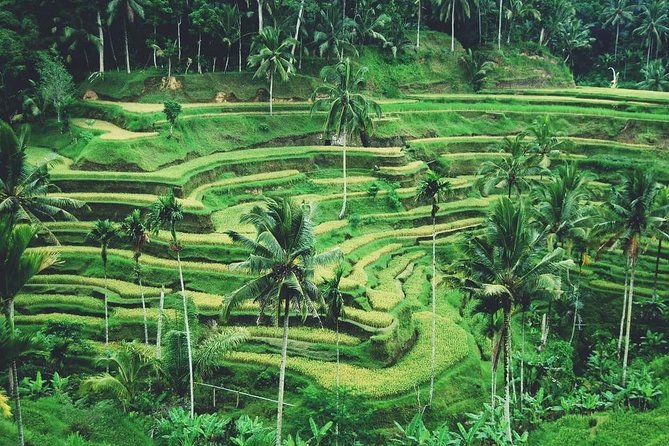
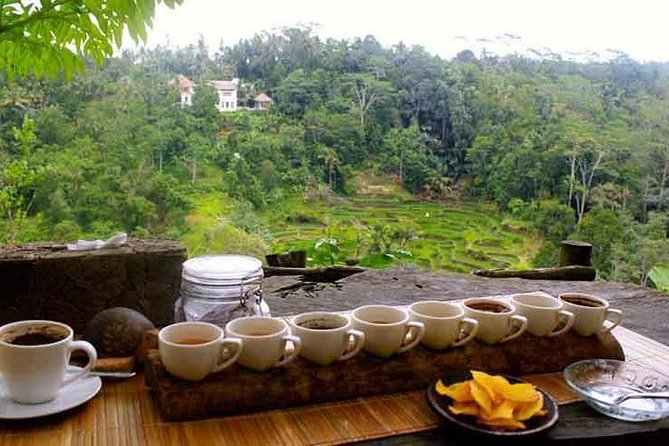
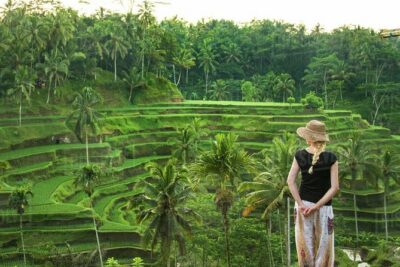
Tegalalang is one of Bali’s most recognizable rice terrace areas. Its stepped fields show a traditional form of rice farming supported by Bali’s heritage irrigation system.
The view is the main attraction, but the irrigation tradition gives it meaning. These terraces are not simply planted hillsides arranged for photographs. They are part of a long-established way of managing water for rice cultivation.
The planned visit is about two hours, so you have time to look around rather than stop only for a quick picture. Wear shoes that are comfortable on uneven ground and be ready for heat. The tour provides an air-conditioned vehicle, but the terrace itself is outdoors.
Tegalalang is also a place where the day’s pace can slow down. After the art villages and temple, the open fields offer a change of scene. I would use the time to enjoy the view, ask the guide how the irrigation system works, and avoid spending the entire stop chasing the perfect photograph.
The area is popular, and the tour description calls it Bali’s most popular rice terrace. That popularity is useful if you want to see a famous Ubud sight, but it also means you should not expect solitude. The private vehicle helps with comfort, though it cannot remove road traffic or crowds at a major attraction.
Tegenungan Waterfall: A Cool Finish, Depending on Conditions
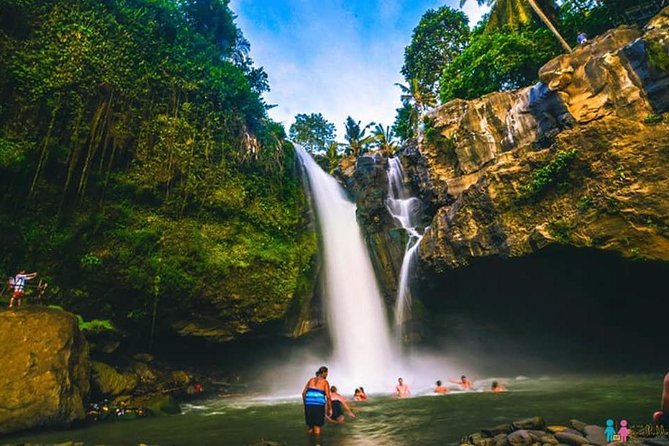
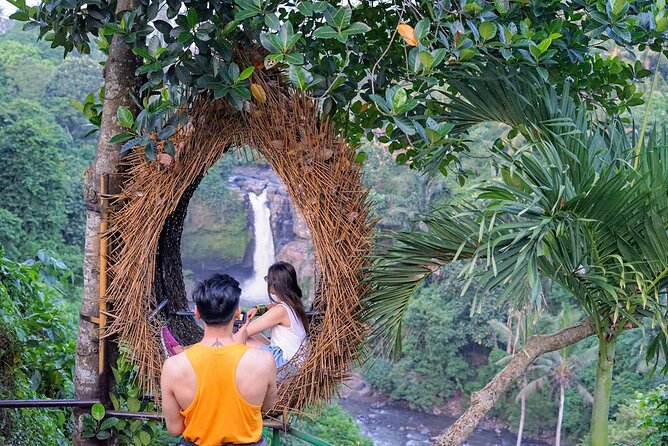
Tegenungan Waterfall closes the sightseeing portion of the day. It is another well-known Ubud-area attraction, with the option to swim depending on water conditions.
That last point is important. Swimming is allowed when conditions make it safe, but it is not guaranteed. You should not build the whole day around a swim. Think of it first as a waterfall visit, with swimming as an extra possibility.
The scheduled stop lasts about two hours, enough time to see the falls and decide how active you want to be. Water, heat, and footing can change, so listen to the guide and check conditions before entering. If swimming is not suitable, you can still enjoy the scenery and take a break from the vehicle.
After a full day of temples, crafts, and viewpoints, the waterfall provides a more relaxed ending. It also gives you a chance to balance cultural sightseeing with nature. Just remember that the day is already long, and tired legs may make the walk around the waterfall feel more demanding than it first appears.
Celuk Village: Traditional Silver and Gold Work
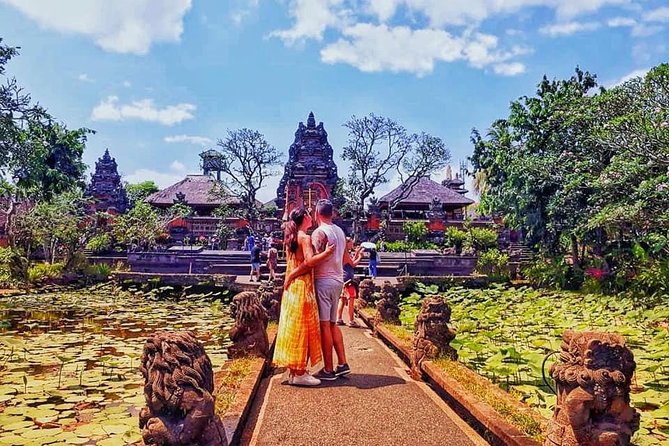
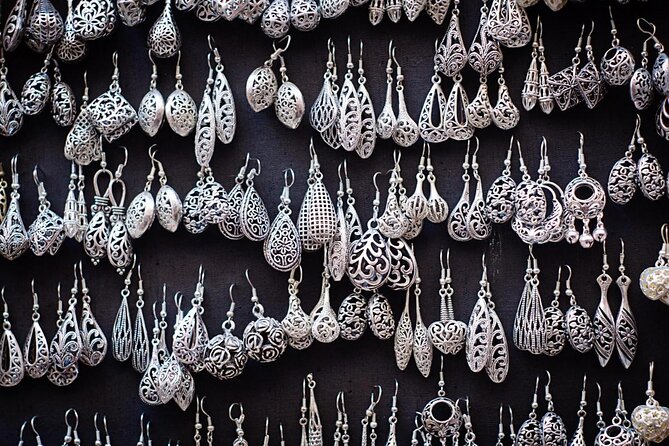
Celuk is the final craft village, with a focus on jewelry made from silver and gold using traditional methods.
This stop complements the earlier visits to batik, painting, and wood carving. By this point, you have seen several different forms of Balinese handwork, and Celuk adds metalwork to the picture. You can watch local makers and learn how jewelry is produced rather than seeing only finished pieces.
The stop lasts about an hour and includes admission. Purchases cost extra, so this is another place where personal spending can change the total cost of the day. If you are interested in jewelry, ask about the materials, the making process, and how the piece was produced. If you are not shopping, keep your focus on the craft demonstration.
The sequence is sensible. You see cloth and other arts earlier, then finish with jewelry. Still, some people may find three craft-focused stops too many. I would book this tour if you want an overview of Balinese arts. I would choose another plan if your priority is temples and scenery with little time in workshops.
Why the Private Car and Guide Matter
The private format is one of the tour’s strongest features. Only your group participates, so you do not have to wait for strangers at every stop or spend the day adjusting to another group’s pace.
The vehicle is air-conditioned, and mineral water is provided. In Bali’s heat, these are small details with a real effect. The private driver also knows the local traffic, which can help the route run more smoothly, though no guide can make traffic disappear.
The guide’s personality may shape your day more than any individual attraction. Ketut is repeatedly praised for being friendly, humorous, and full of explanations about history, culture, ceremonies, and daily life. Katut is also praised for bringing fun energy and explaining Balinese practices and rituals. The responses from the operator use several guide names, including Ketut, Katut, and Putu, so I would not assume a particular guide is guaranteed unless the provider confirms it.
The strongest praise is not simply for reaching each destination. It is for flexibility. One description says the guide adjusted a venue to suit a personal request. That suggests you should speak up if you need a small change, have a special interest, or want more explanation at a certain stop.
Is $48.73 a Good Price for a Full Day?
At $48.73 per person, the value is strongest for people who want an easy, private day with many inclusions. You receive hotel pickup, private transport, an air-conditioned vehicle, a driver-guide, mineral water, a sarong, and all listed entrance fees.
That removes several costs and decisions. You do not need to pay separate admissions at Tirta Empul, Tegalalang, Tegenungan Waterfall, or Celuk, and you do not need to arrange transport between villages and attractions.
The phrase all inclusive needs a little caution. Lunch is not included, and shopping or personal expenses are separate. You should also budget for food during a 10-hour outing. The final cost will be higher if you purchase cloth, paintings, carvings, or jewelry.
The price also makes more sense when you value privacy. A cheaper shared trip might cover similar sights, but you may have less control over timing and less direct access to the guide. Here, the guide’s explanations and flexibility are a major part of what you are paying for.
The experience is commonly booked about 15 days ahead. That is useful to know if your Bali dates are fixed, though the tour offers free cancellation up to 24 hours before the start time under the stated policy.
Who Should Book This Ubud Experience?
I would recommend this tour to a first-time Ubud visitor who wants to cover major sights in one day without planning several separate transfers. It also suits couples, families, and small groups who value a private vehicle and direct contact with a local guide.
It is a good match if you want a blend of:
- Traditional crafts and local makers
- Balinese home and temple culture
- A purification temple
- Rice terraces
- A waterfall
- Private transport with hotel pickup
Families may appreciate the private format because the guide can give more attention to the group’s questions and pace. Most people can participate, according to the tour information, but the day still involves outdoor stops and a long schedule.
I would be more cautious if you dislike shopping-oriented stops, want a quiet day, or prefer spending half a day at one site. The plan includes three arts and craft locations, and the full route is ambitious. You may see more of Ubud, but you will not have unlimited time for lingering.
Practical Tips for Making the Day Better
Start with comfortable clothing and shoes. The route includes temple grounds, rice terraces, village visits, and a waterfall, so you need clothes suited to both cultural sites and outdoor walking.
Use the provided sarong at Tirta Empul and follow the guide’s instructions around the temple. The site is active and sacred, not just a landmark for photographs.
Carry money for lunch and personal purchases. Since food is not included and several stops involve local crafts, deciding your spending limit before the tour can help you enjoy the demonstrations without feeling pressured to buy.
Ask questions early. The guides are praised for explaining culture, ceremonies, rituals, art, and street life, but you will get the most from that strength if you tell the guide what interests you.
Keep some flexibility in your expectations. The tour requires good weather. If poor conditions force cancellation, you are offered another date or a full refund. Traffic can also affect how long you spend at each stop, even with a guide who knows the roads.
Should You Book the Best of Ubud in a Day?
Book it if you want a private, well-priced introduction to Ubud with transport, admissions, and a guide handled for you. Its best feature is the combination of major sights and working arts villages, made more useful by guides such as Ketut and Katut, who are praised for humor, cultural explanations, and flexibility.
Skip it if you want a slow, highly focused day or have no interest in craft workshops. The schedule is packed, lunch costs extra, and swimming at Tegenungan depends on water conditions. For a first Ubud visit, though, the route gives you a practical look at temples, farming, art, and village life in one long day.
FAQ
How long does the Ubud tour last?
The tour lasts approximately 10 hours.
Is hotel pickup included?
Yes. Pickup is offered from your accommodation in the stated pickup area, and transportation back to your hotel is included.
Is this a private tour?
Yes. Only your group participates in the private tour or activity.
Are entrance fees included?
Yes. All listed tickets and entrance fees are included, including admission for Tirta Empul Temple, Tegalalang Rice Terrace, Tegenungan Waterfall, and Celuk Village.
Is lunch included?
No. Lunch is not included, so you should plan and pay for your own meal.
Is swimming allowed at Tegenungan Waterfall?
Swimming may be allowed, but it depends on the water conditions at the time of the visit.
What happens if bad weather cancels the tour?
If poor weather causes the experience to be canceled, you will be offered a different date or a full refund. Free cancellation is also available if you cancel at least 24 hours before the start time.
Just added around Ubud
- 3 Days for the best of Ubud Private Tour★ 5.0 · 63 reviews
- Bali Amazing Cooking Class★ 5.0 · 63 reviews
- Private Mount Batur Sunset Trekking – All inclusive tour★ 5.0 · 63 reviews
- Private Full-Day Handara, Ulun Danu, Jatiluwih and Tanah Lot Tour★ 5.0 · 63 reviews
- Half-Day Tour: Uluwatu Temple and Kecak Fire Dance Show★ 5.0 · 63 reviews
- Bali Iconic Tour with Buffet Lunch and Attraction Tickets★ 5.0 · 66 reviews
- Ubud ATV Quad Bike and Snorkeling at Blue Lagoon Beach★ 5.0 · 64 reviews
- Full Day Private Guided Tour to Bali★ 5.0 · 65 reviews
Ubud Tours, compared.


Monkey Forest, Jungle Swing, Rice Terrace, and Water Temple
Read our review →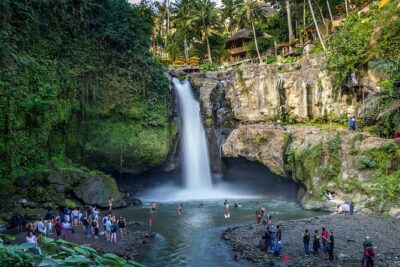


Uluwatu Sunset, Kecak Dance, and Dinner Jimbaran Beach
Read our review →
Tanah Lot and North Bali Tour: Scenic Journey
Read our review →
Body Massage Experience in Ubud Traditional Spa
Read our review →Browse the lists this tour appears in