
Reviewed · MASSAGE & RELAXATION
TULA Wellness Taiwan Tea Ceremony
Slow tea, Bali calm. The TULA Wellness Taiwan Tea Ceremony brings Taiwanese tea tradition to Seminyak in a small setting, with three hand-picked teas, handmade desserts, and a careful look at the tea set and serving ritual. I like the small maximum of six people, which should make the 90-minute session feel personal rather than staged. I also like the focus on mindfulness, not just drinking a cup and moving on.
The main drawback is the price: $87.20 per person is a serious outlay for a 1-hour-30-minute tasting. The setting at The Amala and the traditional elements may justify it for a special occasion, but anyone seeking a quick, inexpensive tea break will find better value elsewhere.
In This Review
- Key details before you book
- A quiet tea ritual in the middle of Seminyak
- What happens when you arrive at The Amala
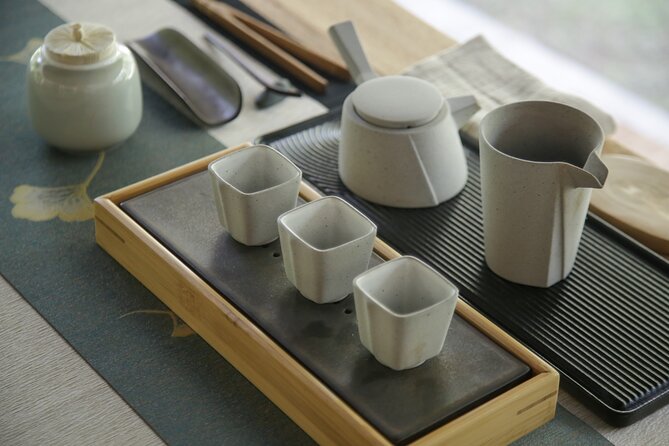
- Learning the tea set before the first sip
- Three Taiwanese teas, from fresh to floral
- Brewing time is part of the lesson
- Handmade Taiwanese desserts complete the tasting
- Why the six-person limit matters
- Is $87.20 good value for 90 minutes?
- Who will enjoy this ceremony most
- Booking timing, cancellation, and useful planning
- Should you book the TULA Wellness tea ceremony?
- FAQ
- Where does the Taiwan Tea Ceremony begin?
- Where does the activity end?
- How long does the tea ceremony last?
- How many people can join the activity?
- What is included in the tea experience?
- How much does the experience cost?
- Can I cancel for a full refund?
Key details before you book
- Three Taiwanese teas: Expect high-quality, hand-picked tea, including high mountain oolong and plain oolong.
- Traditional preparation: You learn about the tea set, brewing, serving, and the spirit behind the ceremony.
- Handmade sweets included: Traditional Taiwanese desserts accompany the tea.
- Small group format: The experience accepts a maximum of six people.
- Central Seminyak meeting point: Meet at The Amala Boutique Retreat, at Jl. Kunti I No. 108.
- Flexible cancellation: You can cancel up to 24 hours before the start time for a full refund.
A quiet tea ritual in the middle of Seminyak
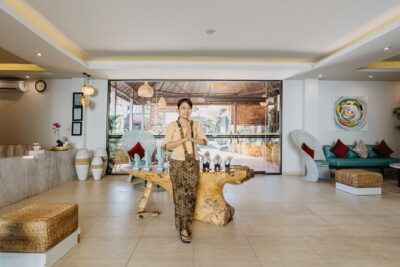
Seminyak is known for restaurants, shops, beach clubs, and a steady flow of activity. TULA Wellness offers a different pace. The ceremony takes place at The Amala Boutique Retreat, where the experience is designed around calm attention rather than a fast schedule.
That change of rhythm is the point. You are not simply handed a pot of tea with a short explanation. The session introduces the objects, actions, and ideas that give Taiwanese tea service its meaning. The ceremony asks you to notice how the leaves open, how the water changes them, and how brewing time affects the cup.
I think this setting will suit you best if you want a peaceful indoor activity in Seminyak. It also makes sense after a long flight, a busy day of sightseeing, or one of Bali’s famously full spa schedules. The available comments about TULA Wellness praise its pleasant atmosphere and attentive service, though they focus on spa treatments rather than this tea ceremony itself. That is useful background for the setting, but I would not treat those comments as proof of the tea session’s quality.
More Spa and Massage in Seminyak and Kuta
- Spa at Mudara with Dining Included at BKeto
★ 5.0 · 184 reviews - Bali Luxury Spa Massage and flower Bath 2 hour Treatmen
★ 4.5 · 167 reviews - Balinese Body Massage at ANJALI SPA
★ 5.0 · 111 reviews
What happens when you arrive at The Amala
Your meeting point is The Amala Boutique Retreat, Jl. Kunti I No. 108, Seminyak, Kuta, Badung, Bali 80361. The activity ends at the same place, so you do not need to arrange a second pickup point or find your way across town after the ceremony.
The experience is listed as near public transportation. That gives you some flexibility, although the supplied details do not specify a particular bus, stop, or transfer. Check your route before setting out, and allow enough time to arrive without rushing. A tea ceremony loses some of its charm if you enter while checking the clock and apologizing for traffic.
Confirmation is provided at booking, and a mobile ticket is available. Those two details make the practical side simple. You can keep the booking on your phone and go directly to the meeting point, rather than printing paperwork.
The exact room layout is not provided, so I would not promise a garden table, a particular view, or a special seating arrangement. What is clear is the intended mood: quiet, attentive, and focused on the tea service.
Learning the tea set before the first sip
A useful part of the session comes before the tasting itself. You are introduced to the tea set and shown how the pieces fit into the ceremony. This matters because Taiwanese tea service can look mysterious if you only see the finished performance.
The equipment is not treated as decoration. Each piece helps with brewing, pouring, tasting, or sharing. Learning what you are looking at gives the ceremony a practical shape. Instead of watching someone handle unfamiliar objects while you wait for your cup, you can follow the sequence and understand why each step happens.
I especially like this approach for first-time tea drinkers. You do not need prior knowledge of Taiwanese tea, and the session is not framed as a test. The point is to develop attention. You can watch the host prepare the tea, notice the timing, and compare each infusion without needing to memorize technical terms.
The ceremony also introduces the spirit of serving tea. That language suggests that hospitality and mindfulness matter as much as flavor. Tea is prepared for other people, served with care, and enjoyed without rushing. In a destination full of quick meals and quick photos, that restraint can be refreshing.
Three Taiwanese teas, from fresh to floral
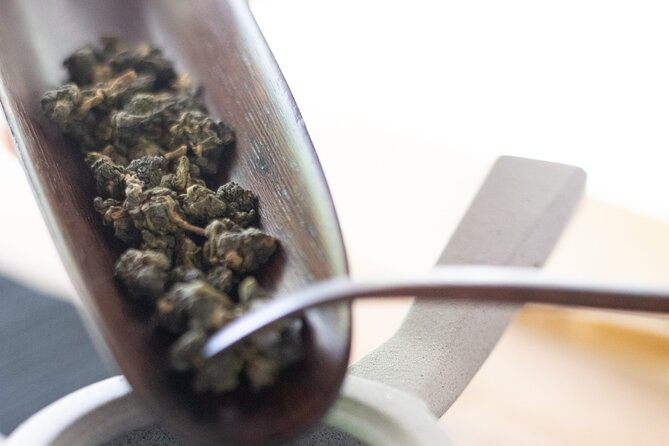
The tasting includes three kinds of high-quality, hand-picked tea from Taiwan. The descriptions point to high mountain oolong and plain oolong, while the broader tasting notes move from green freshness to delicate floral character.
That range gives the 90-minute session a clear purpose. You are not tasting three unrelated drinks. You are paying attention to how tea variety, fermentation, and brewing time shape the flavor in your cup.
The green-fresh character should appeal to anyone who prefers a lighter, cleaner taste. The floral notes offer a different direction, with more aroma and a softer impression. Oolong sits in the middle of many people’s tea habits, making it a useful choice for someone who finds green tea too sharp or black tea too heavy.
The phrase high mountain oolong points to tea grown in Taiwan’s mountain areas, but no specific farm, elevation, tea estate, or harvest date is supplied. I would enjoy the tasting for its flavor comparison, not for a detailed agricultural lesson that may not be part of the session.
The tea is organically grown and hand-picked according to the experience description. That does not mean every cup will suit every palate. Tea flavor is personal, and the same floral note that delights one person may seem faint to another. The benefit is that three teas give you a better chance of finding a style you enjoy.
Still Seminyak and Kuta, at a slower pace:
- Bali Full-Day Traditional Village Sightseeing Trip All Inclusive
★ 5.0 · 3,069 reviews - Nusa Penida day trip: boat, 4 snorkeling, Manta rays & Land tour
★ 5.0 · 2,033 reviews - Experts Bali Driver : Best Bali Private Driver for Tour in Bali
★ 5.0 · 1,339 reviews - Bali Nusa Penida West Private All-Inclusive Tour
★ 5.0 · 1,277 reviews
Brewing time is part of the lesson
The most useful idea in the ceremony is that brewing time changes the taste. A few extra moments can bring out a different balance, and the leaf’s fermentation also affects the final cup.
This gives you something concrete to notice. You can compare the color, aroma, and flavor of each tea rather than treating the ceremony as a formal show. The best part of a tea tasting is often the small change between one preparation and the next.
The experience describes flavors ranging from green freshness to delicate floral notes. Those terms are helpful guides, but they are not promises of an identical taste for every person. Water, temperature, steeping length, and the tea itself all shape the result. The ceremony’s value lies in showing how those factors work together.
I would encourage you to slow down and take small sips. Notice the first impression, then the aftertaste. If you usually add milk, sugar, lemon, or honey, this is a chance to taste the tea without those additions and understand its natural character.
You also get a lesson in patience. The tea is not rushed from pot to cup. That may sound simple, but it changes the way you experience the drink. The ritual creates space for conversation, silence, and observation.
Handmade Taiwanese desserts complete the tasting
Traditional Taiwanese desserts are included with the tea. This is more than a bonus snack. Sweet food gives your palate a contrast to the tea and adds another part of Taiwanese food culture to the session.
The available details do not name the desserts or describe their ingredients. If you have allergies or dietary restrictions, ask before booking or contact the provider in advance. Do not assume that handmade means suitable for every diet.
Because the dessert selection is not specified, I would treat it as part of the surprise rather than a major reason to book. The tea remains the central activity. Still, the sweets should help turn the session into a fuller tasting instead of a series of plain cups.
The combination also gives the ceremony a social side. You can enjoy the food slowly, compare impressions, and let the tasting unfold at a comfortable pace. This is a good fit for couples, friends, or solo visitors who enjoy food experiences with a quiet setting.
Why the six-person limit matters
The maximum group size is six people. That is one of the strongest practical features of the activity.
A small group gives you more room to see the preparation and ask questions. It should also reduce the chance that the ceremony feels like a large demonstration. The listing does not promise a private session, so do not assume you will have the room to yourself. Six people is still small enough for a more personal format.
The group limit may also affect the mood. Tea ceremonies work best when people respect the slower pace. A small gathering makes it easier to share that atmosphere, while a large crowd could turn the same ritual into a performance viewed from the back of a room.
I would choose this format for a special afternoon with a partner or a friend. It can also suit solo visitors who enjoy meeting a few people around a shared interest. Families with young children may find the quiet pacing harder, though the supplied details do not set an age restriction.
Is $87.20 good value for 90 minutes?
At $87.20 per person, this is not an everyday tea stop. You are paying for a structured cultural and wellness activity in a boutique retreat setting, not just for three beverages and dessert.
The value improves if you care about the ceremony itself. You receive an introduction to the tea set, guidance on serving, three Taiwanese teas, handmade traditional desserts, and time to focus on preparation and taste. The small group also adds value because the experience should have a more attentive feel than a large tasting.
The price looks less attractive if your main goal is simply to drink oolong. You could likely find a cheaper cup of tea in Seminyak, although that would not offer the same instruction or ritual.
I would compare it with other activities you plan for the day. If you are already booking several premium wellness services, the tea ceremony may feel like another costly add-on. If you want one deliberate, slow experience, the price may be easier to justify.
The available comments about The Amala and TULA Wellness repeatedly praise the atmosphere and attentive staff. One spa comment specifically names Ari and describes the setting as pleasant, with good-smelling oil and a desire to return. Another praises the staff as kind and thoughtful during a stay at The Amala. These comments support the idea of a polished wellness environment, but they concern massages and accommodation, not the tea host or tea instruction. Keep that distinction in mind when judging value.
Who will enjoy this ceremony most
I would recommend the experience to you if you meet several of these points:
- You enjoy tea, food, or cultural traditions.
- You prefer small-group activities.
- You want a calm break from Seminyak’s more active side.
- You like learning how a ritual works, not just watching it.
- You are happy to spend more for a polished wellness setting.
- You have about 90 minutes for a focused activity.
The ceremony may be less suitable if you want a full meal, a long cultural tour, or a large amount of sightseeing. It also may not satisfy you if you expect detailed information about specific farms, tea-growing regions, or the names of every dessert. Those details are not included in the available description.
This is best understood as a sensory introduction to Taiwanese tea. It is short enough to fit into a Seminyak itinerary, but substantial enough to feel like more than a hotel amenity.
Booking timing, cancellation, and useful planning
The experience is booked an average of 40 days ahead. That does not guarantee that every date sells out, but it is a useful signal. If your Bali schedule is fixed, I would reserve early, especially because the group limit is six.
You can cancel for a full refund up to 24 hours before the start time. Changes or cancellations made less than 24 hours before the start are not accepted for a refund, and the cutoff follows local time. Keep that deadline in mind if your plans depend on transfers, flights, or changing weather.
The activity lasts approximately 1 hour and 30 minutes. Add time before the start for transport and arrival at The Amala, but the ceremony itself is not a full-day commitment. Since it returns to the meeting point, you can plan a meal, spa treatment, or other Seminyak activity afterward without needing to arrange an endpoint transfer.
A mobile ticket is accepted. Confirmation arrives at booking, which makes it easy to keep the details on your phone.
Should you book the TULA Wellness tea ceremony?
I would book it if you want a quiet, well-structured introduction to Taiwanese tea and you are comfortable paying a premium for the setting and small group. The combination of three hand-picked teas, traditional preparation, handmade desserts, and mindfulness gives the 90 minutes a clear purpose.
I would skip it if you are mainly looking for the cheapest tea in Seminyak or expect a detailed tour of Taiwanese tea farms. The description does not provide specific farm information, dessert names, or a named tea instructor, so keep your expectations focused on the ceremony itself.
For the best fit, book this as a restorative pause rather than a major sightseeing event. Arrive on time, bring your curiosity, and let the brewing pace do its work. At TULA Wellness, the reward is not a long list of attractions. It is the chance to pay attention to a simple drink and discover how much can change between one careful cup and the next.
FAQ
Where does the Taiwan Tea Ceremony begin?
It begins at The Amala Boutique Retreat, Jl. Kunti I No. 108, Seminyak, Kec. Kuta, Kabupaten Badung, Bali 80361, Indonesia.
Where does the activity end?
The activity ends back at the meeting point at The Amala Boutique Retreat.
How long does the tea ceremony last?
The experience lasts approximately 1 hour and 30 minutes.
How many people can join the activity?
The activity has a maximum of six travelers.
What is included in the tea experience?
The ceremony includes an introduction to the tea set, guidance about serving tea, three high-quality hand-picked teas from Taiwan, and handmade traditional Taiwanese desserts.
How much does the experience cost?
The listed price is $87.20 per person.
Can I cancel for a full refund?
Yes. You can cancel at least 24 hours before the experience start time for a full refund. Cancellations or changes made less than 24 hours before the start time are not refunded or accepted.
Just added around Seminyak and Kuta
- Bali-Nusa Penida. East Part. Private car. All-inclusive★ 4.5 · 15 reviews
- Ubud Private Tour : Ubud Temple and Authentic of Ubud★ 5.0 · 18 reviews
- Bali Swing Hot Spring And Waterfall Private Guided Tour★ 5.0 · 50 reviews
- Ubud Monkey Forest Sanctuary Tours and Cretya★ 5.0 · 3 reviews
- Ubud Tours and Cretya Day Club Pool★ 5.0 · 3 reviews
- Bali Adventure Tour: Hidden Canyon, Tegenungan Waterfall, Goa Gajah temple★ 5.0 · 48 reviews
- Penglipuran Village Waterfall Swing Private Guided Tour★ 5.0 · 13 reviews
- Bali Sightseeing Car Hire with English-speaking Guide and Driver★ 5.0 · 24 reviews
Massage & Relaxation, compared.
Body Massage Experience in Ubud Traditional Spa
Read our review →
Bali Luxury Spa Massage and flower Bath 2 hour Treatmen
Read our review →
Traditional Bali Massage Lulur & Spa Treatment 2 Hours
Read our review →Browse the lists this tour appears in