
Reviewed · SCUBA DIVING
Try Diving in Nusa Lembongan – Penida. For beginners (with 2 ocean dives)
Underwater breathing changes your view of Bali. This beginner scuba course takes you from a pool session to two guided ocean sessions around Nusa Lembongan and Nusa Penida, with an instructor close by throughout. I like the careful progression, and I like that the group is limited to eight people, which gives you a better chance of receiving calm, personal help.
The package also includes equipment, bottled water, hot drinks, and a local lunch box on the boat. The main consideration is confidence in the water. One person found the instructor impatient during the first few minutes underwater, so if you need extra time to settle in, tell the instructor clearly before leaving the pool.
In This Review
- Key Points to Know Before You Book
- Why Nusa Lembongan Is a Good Place to Start
- The 8:00 a.m. Start at Bali Diving Academy
- Pool Practice Before the Boat
- The First Ocean Session at About 10:00 a.m.
- The Surface Interval, Lunch, and Hot Drinks
- The Second Ocean Session
- Returning Between 3:00 and 3:30 p.m.
- Is $125 a Fair Price?
- Safety, Confidence, and the Mixed Instruction Feedback
- Who Should Book This Experience?
- Booking and Cancellation Advice
- Should You Book the Nusa Lembongan Beginner Course?
- FAQ
- Where does the experience start?
- What time does the course begin?
- When does the experience finish?
- How long does the full experience last?
- Do I need previous scuba experience?
- How many ocean sessions are included?
- Is equipment provided?
- Is food and drink included?
- Can I see manta rays or Mola Molas?
Key Points to Know Before You Book
- Two ocean sessions after pool practice: You learn basic skills first, then use them at two underwater sites.
- Small group of up to eight: The size should allow closer attention than a large boat operation.
- Possible manta rays and Mola Molas: Mantas can appear year-round, while Mola Molas are most associated with July through October.
- Lunch and drinks included: A lunch box, tea, coffee, and water help make the long morning easier.
- About eight hours from start to finish: Meet at 8:00 a.m. and expect to return around 3:00 to 3:30 p.m.
- Good value for first-timers: At $125 per person, the price covers instruction, equipment, pool work, two ocean sessions, and food.
Why Nusa Lembongan Is a Good Place to Start
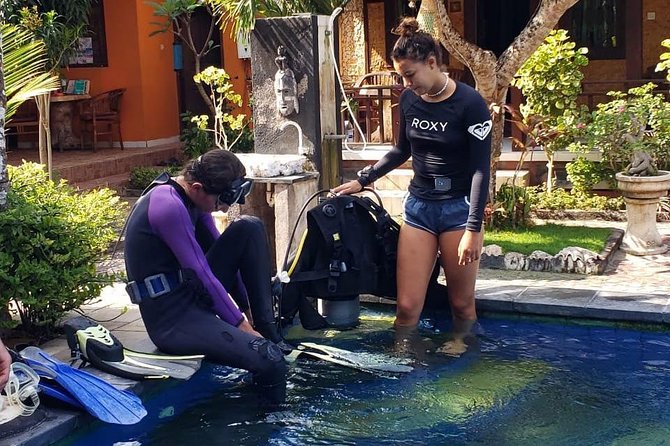
Nusa Lembongan and neighboring Nusa Penida are among Bali’s best-known areas for underwater sightseeing. The waters around the islands include clear conditions, coral reefs, and a collection of around 12 possible sites, including Manta Bay, Crystal Bay, Gamat Bay, Toya Pakeh, and Sental.
That variety matters for a beginner. The instructor can choose sites according to weather and daily sea conditions rather than forcing every group into the same location. You may see coral, reef fish, turtles, or manta rays, but marine life is never guaranteed. The sea makes the final decision, as it always does.
Manta rays may be seen throughout the year. Mola Molas are linked especially with the July to October season, but even during that period, seeing one depends on the site and conditions. You should book this for the quality of the underwater setting and the chance of memorable wildlife, not for a promised animal encounter.
The area can also offer a strong first impression of scuba. Clear water helps you see your instructor and surroundings, while healthy coral gives you something interesting to look at once the basic skills begin to feel natural. At the same time, sea conditions can affect comfort, visibility, and the choice of site.
More Diving Trips in the Nusa Islands
- 2 Days Discover Scuba Diving in Nusa Lembongan – Scuba Initiation
★ 5.0 · 506 reviews - Certified Scuba Dive with Manta Rays (Open Water Diver minimum)
★ 5.0 · 55 reviews - Nusa Penida Try Scuba Diving Program – for Non-Certified Divers
★ 5.0 · 42 reviews
The 8:00 a.m. Start at Bali Diving Academy
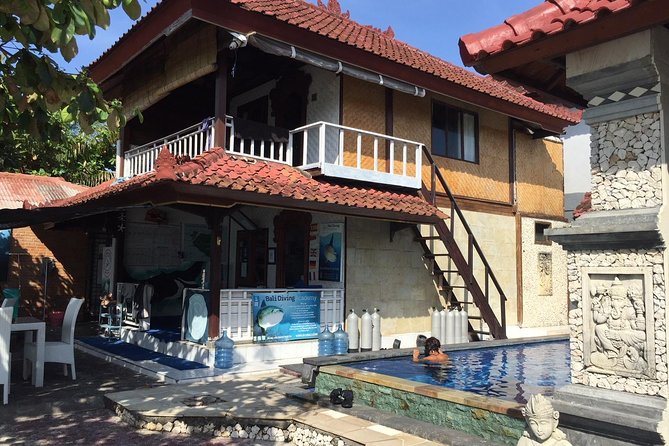
Your day begins at Bali Diving Academy Lembongan Island in Jungut Batu. The meeting point is in Jungutbatu, on Nusa Lembongan, and the activity finishes at the same place.
The early start is practical. You have paperwork, equipment fitting, and pool instruction before heading out for the ocean sessions. Arriving ready at 8:00 a.m. gives the staff time to check your gear and explain the basics without rushing you straight onto the boat.
The school supplies the equipment, so you do not need to pack a personal mask, fins, tank, or other scuba kit. That is helpful for visitors moving around Bali with limited luggage. You still need a moderate level of physical fitness, since the day involves handling equipment, entering the water, and spending several hours on or near the sea.
The maximum group size is eight people. That is not a private lesson, but it is small enough to make a real difference. A beginner often needs help with a mask, breathing rhythm, buoyancy, or simple hand signals. A smaller group gives the instructor more opportunity to notice those problems.
Pool Practice Before the Boat
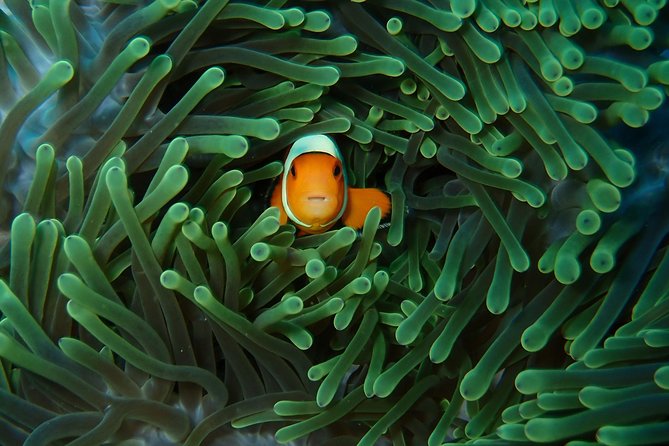
The pool session is the most important part of the day for an absolute beginner. It gives you a controlled place to learn how the equipment works and how it feels to breathe through a regulator underwater.
Your instructor covers basic scuba skills and helps you get used to neutral buoyancy. This skill lets you remain suspended in the water instead of constantly sinking or kicking upward. It takes practice, and you should not expect to master it in a few seconds.
The pool also gives you a chance to speak up. If you feel nervous, tell the instructor before moving to the ocean. One mixed review described an instructor who seemed impatient when a beginner lacked confidence after only three or four minutes underwater. That is not a reason to dismiss the whole school, especially with the overall 4.9 rating and 95 percent recommendation, but it is useful advice.
You should expect an experienced instructor and a strong focus on safety. Still, instruction is a two-way process. Explain what you need, ask for a slower explanation, and do not pretend to be comfortable when you are not. A good pool session should leave you more settled, not merely ready to move on because the clock says so.
The First Ocean Session at About 10:00 a.m.
The first ocean session begins at roughly 10:00 a.m. By this point, you have handled the equipment and practiced basic skills in the pool. The move to open water is where the course becomes more exciting, but it is also where you may notice the difference between controlled practice and the sea.
Your instructor guides the group and stays close. You can use the skills from the pool to manage breathing, position, and movement. For a first underwater outing, the value of having a professional nearby is simple: you do not need to figure out every small problem alone.
The exact site is not fixed in the information provided. Possible locations include Manta Bay, Crystal Bay, Gamat Bay, Toya Pakeh, and Sental. Weather and daily conditions determine where the boat goes, so you should treat the list as a set of possibilities rather than a guaranteed route.
The sites can offer clear water and colorful coral. You might also find turtles or manta rays. The best approach is to keep your attention on the whole setting, not just on finding one large animal. Coral, reef life, and the feeling of moving quietly through the water are part of what makes the outing worthwhile.
More Diving Trips in Nusa Lembongan:
- Bali Diving for Beginners: Tulamben Liberty Wreck
★ 5.0 · 367 reviews - Discover Scuba Diving in Tulamben – Diving Initiation in Bali best diving sites
★ 5.0 · 353 reviews - Scuba Diving in Nusa Penida – Manta Point
★ 5.0 · 198 reviews - Bali Diving Day Trip-Manta Point/Tulamben Shipwreck-Fun Dive
★ 5.0 · 104 reviews
The Surface Interval, Lunch, and Hot Drinks
After the first session, you get about one hour on the surface. This is not wasted time. You need a break between sessions, and the hour gives you a chance to eat, drink, and discuss how the first outing felt.
Tea and coffee are available, along with water and a choice of lunch box. A local lunch is provided on the boat. For a full day that starts early and includes physical activity, this practical food stop adds genuine value to the price.
Use the interval to tell the instructor about anything that felt difficult. If your mask leaked, your ears felt uncomfortable, or you had trouble controlling your position, say so before the second session. The break is your best chance to adjust your approach while the details are still fresh.
The boat setting also gives you time to enjoy the islands from the water. No special sightseeing program is promised, so do not book this as a scenic cruise. The boat is primarily transport and a rest point between underwater sessions.
The Second Ocean Session
The second session lets you apply what you learned earlier in the day. You may feel more relaxed with the regulator, more familiar with the equipment, and better able to watch the reef instead of thinking about every movement.
This second outing is one reason the course offers better value than a single introductory session. You get a chance to correct mistakes and build on the first attempt. For someone who feels awkward at the beginning, the second session may be where the activity finally starts to make sense.
You should still expect a beginner-level pace. This is not a certification course, and the supplied information does not say that you receive an open-water qualification. It is an introduction to scuba, with pool instruction followed by two guided ocean sessions.
The instructor’s role remains central. The best experience will come from staying close, following directions, and keeping your movements calm. You do not need prior scuba skill, but you do need to listen carefully and respect the limits of the sea.
Returning Between 3:00 and 3:30 p.m.
The group returns to the dive shop around 3:00 to 3:30 p.m. That makes the day about eight hours from start to finish. It is a substantial outing, not a quick activity to squeeze between breakfast and an afternoon appointment.
Plan the rest of your day lightly. The course schedule leaves little room for another major activity afterward, especially if you want time to change, eat, and rest. The fixed meeting and return point also make this simpler than an outing that collects you from several different locations.
Because weather affects the activity, the route and timing can change. If the operator cancels due to poor conditions, you should be offered another date or a full refund. The program also requires a minimum number of participants, so a cancellation for that reason brings the same choices of another date, another experience, or a full refund.
Is $125 a Fair Price?
At $125 per person, this is a fair price for a structured first scuba experience in Nusa Lembongan. You are paying for pool instruction, an instructor, equipment, two ocean sessions, boat time, water, hot drinks, and lunch.
The value is strongest if you have no equipment and want a guided introduction rather than a bare-bones ocean outing. Buying or renting every piece of gear separately would make the all-in-one arrangement more useful. The small maximum group also adds value because beginner instruction works better when the instructor is not managing a large crowd.
Group discounts may be available, which could make the course more attractive if you are booking with friends or family. A mobile ticket is also offered, so you do not need to manage a printed voucher.
The price does not guarantee manta rays, Mola Molas, turtles, or any particular site. Keep that in mind when comparing this with more expensive programs. You are paying for access, instruction, equipment, and the chance to see marine life, not a guaranteed wildlife show.
Safety, Confidence, and the Mixed Instruction Feedback
The operator describes a 100-percent safety record, and the course is built around an instructor-led format. Equipment is supplied, the group is kept to eight people, and you practice in a pool before entering the sea. Those are sensible safeguards for a first attempt.
The overall score is 4.9 out of 5 from 20 ratings, with 95 percent recommending the experience. The strongest praise focuses on passionate instructors, concern for coral and marine life, manta rays and turtles, and the quality of the lunch. One French-language review also praised the instructor as friendly and professional, with especially attentive care.
There is one important counterpoint. A beginner felt the instructor lacked patience when confidence did not come quickly. If you are anxious in the water, ask at the start how the instructor handles extra practice. You can also say clearly that you need reassurance and a slower pace.
That small piece of preparation can improve the day. An introductory course should feel safe and supportive, but your own communication helps the staff understand what you need.
Who Should Book This Experience?
I would recommend this course to an adult beginner who wants to try scuba without committing to a full certification program. It suits you if you are curious about Nusa Lembongan’s reefs, prefer a small group, and value having equipment and food included.
It is also a good choice for someone who wants more than a single short underwater session. The pool practice and two ocean outings create a useful progression, and the second session gives you time to become more comfortable.
You should think twice if you are looking for a private instructor, a guaranteed manta encounter, or a relaxed half-day activity. The schedule is long, the sea can affect the plan, and the maximum group is eight rather than one-on-one.
The course requires moderate physical fitness. Prior scuba skill is not required, but you should be willing to listen, manage equipment, and spend much of the day around the water.
Booking and Cancellation Advice
You receive confirmation at booking in most cases. If you book within nine days of the scheduled date, confirmation may arrive within 48 hours and remains subject to availability.
Free cancellation applies when you cancel at least 24 hours before the 8:00 a.m. start time. Cancellations or changes made inside that window are not refunded or accepted, so check your plans carefully. Weather remains outside your control, and poor conditions can lead to a new date or a full refund.
Should You Book the Nusa Lembongan Beginner Course?
Book it if you want a well-organized first look at scuba with the useful extras already covered. The pool session, two guided ocean outings, small group, equipment, local lunch, and drinks make $125 reasonable, especially for someone starting from zero.
I would book with realistic expectations. Manta rays and Mola Molas are possible, not promised, and the instructor’s teaching style may matter if you are nervous. Tell the staff early if you need more time, and judge the course by the whole experience rather than one hoped-for animal.
For a first underwater adventure around Nusa Lembongan and Nusa Penida, this is a strong option for confident beginners and a workable one for cautious beginners who speak up.
FAQ
Where does the experience start?
It starts at Bali Diving Academy Lembongan Island in Jungut Batu, Jungutbatu, Nusa Lembongan.
What time does the course begin?
The meeting time is 8:00 a.m.
When does the experience finish?
The activity usually returns to the dive shop between 3:00 and 3:30 p.m.
How long does the full experience last?
The total duration is about eight hours.
Do I need previous scuba experience?
No. The course is designed for absolute beginners and begins with basic instruction in a pool.
How many ocean sessions are included?
You receive two guided ocean sessions after the pool practice.
Is equipment provided?
Yes. The necessary scuba equipment is provided as part of the experience.
Is food and drink included?
Yes. You receive water, hot drinks such as tea and coffee, and a lunch box on the boat.
Can I see manta rays or Mola Molas?
Manta rays may be seen all year, while Mola Molas are associated especially with July through October. Sightings are not guaranteed because they depend on the site and daily weather conditions.
Just added around Nusa Lembongan
- Sound Bath Healing Journey on the Island of Nusa Lembongan★ 4.5 · 12 reviews
- PADI Open water Course in Lembongan – Get certified & dive anywhere in the world★ 5.0 · 16 reviews
- Snorkeling Manta Ray in Nusa Lembongan★ 3.5 · 7 reviews
- Lembongan Snorkeling at Manta Bay, Crystal Bay and Mangrove★ 5.0 · 56 reviews
- Nusa Penida Private Car Charter★ 5.0 · 4 reviews
- Three Islands Snorkeling (3 Spots) Manta Rays – From Lembongan★ 4.5 · 5 reviews
- Hammock Sound Healing on Nusa Lembongan, Bali★ 5.0 · 20 reviews
- Lembongan Electric Bike tour★ 5.0 · 56 reviews
Scuba Diving, compared.
2 Days Discover Scuba Diving in Nusa Lembongan – Scuba Initiation
Read our review →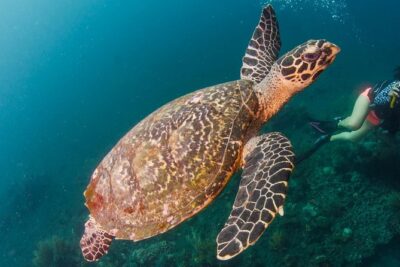
Bali Diving for Beginners: Tulamben Liberty Wreck
Read our review →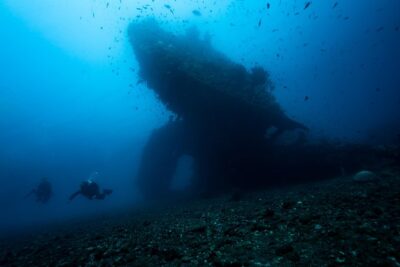
Discover Scuba Diving in Tulamben – Diving Initiation in Bali best diving sites
Read our review →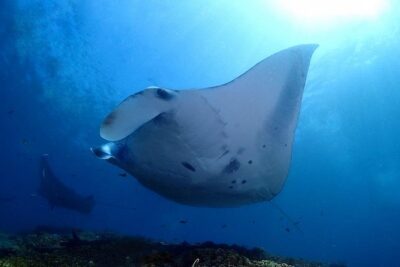
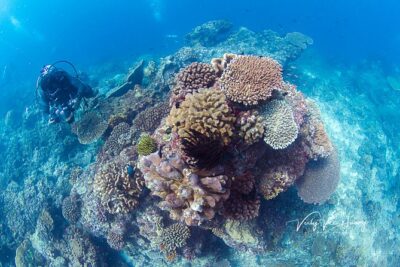
Bali Diving Day Trip-Manta Point/Tulamben Shipwreck-Fun Dive
Read our review →
5 Fun Dives in Tulamben (for certified divers) – Discover famous diving sites
Read our review →
USS Liberty Shipwreck Scuba Diving at Tulamben Bali
Read our review →
Certified Scuba Dive with Manta Rays (Open Water Diver minimum)
Read our review →Browse the lists this tour appears in