
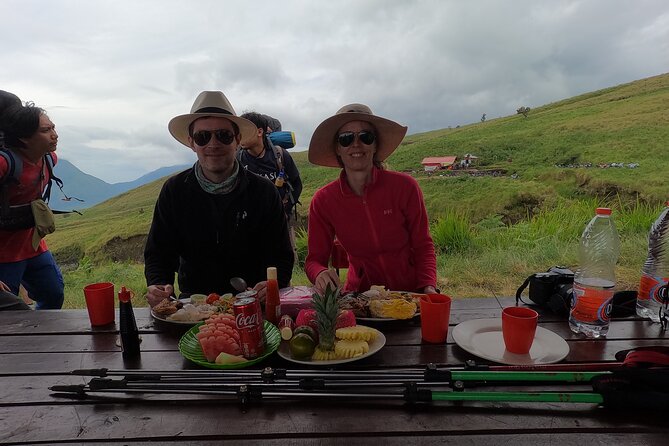
Reviewed · 2-DAY EXPERIENCES
Private 2 Days and 1 Night Summit in Mount Rinjan
The mountain makes you earn the sunrise. This private two-day trek packs Lombok’s Mount Rinjani summit, crater rim, camping, meals, porters, and trekking equipment into one demanding overnight trip. I like the route for two clear reasons: you get broad views from the open Sembalun side, and your private group can receive close support from a guide who adjusts the pace to your needs.
The price, about $195 per person, is reasonable for the guide, porters, food, tent, sleeping gear, headlamp, poles, and transport arrangements. The catch is serious: this is not a casual mountain walk. The summit push begins around 3 a.m. after a short night at altitude, and the entrance charge is separate. You need strong fitness, warm clothing, and a willingness to suffer a little for a spectacular payoff.
In This Review
- Key points before you book
- What the Sembalun route asks of you
- Reaching Pelawangan Sembalun at 2,639 meters
- The 3 a.m. summit push
- What the $195 package really covers
- Food, water, and camp equipment
- The human side of the trek
- Who should choose this trek?
- Practical preparation for a better climb
- Should you book the Mount Rinjani summit trek?
- FAQ
- How long is the Mount Rinjani trek?
- Where does the trek start?
- What altitude does the route reach?
- What time does the summit climb begin?
- Is camping equipment included?
- Are meals and drinking water included?
- Are trekking shoes and clothing provided?
- Is the entrance fee included in the price?
Key points before you book
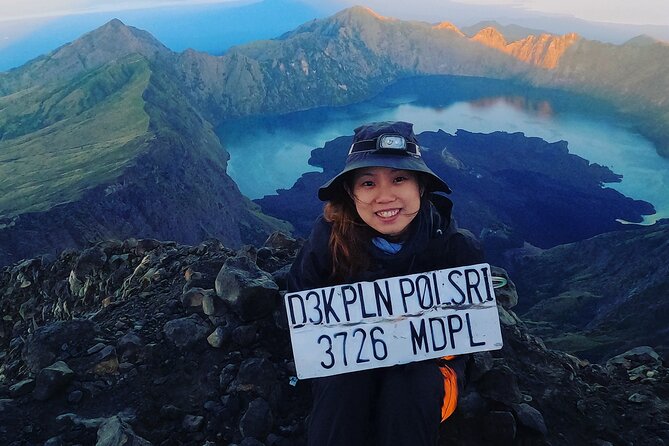
- Sembalun gives you the high-country route: You start around 1,100 to 1,150 meters and climb toward the crater rim at about 2,639 meters.
- The hardest effort comes before breakfast: The summit attempt starts around 3 a.m. and takes about three and a half hours, with a final steep section that can test every bit of your stamina.
- You sleep beside the crater rim: The overnight camp provides a sunset and sunrise setting that you simply cannot get on a day walk.
- Porters carry the camp equipment: This matters because you can focus on walking with a small day pack instead of hauling a tent, sleeping bags, cooking gear, and chairs.
- It is private, not a shared departure: Only your group takes part, which allows more personal attention and a slower or faster pace within reason.
- The support gets high praise: Guides and porters are repeatedly described as friendly, steady, and helpful, with Rinjani Hero’s Ialu involved in logistics and the pre-trek safety briefing.
What the Sembalun route asks of you
The trek begins with a transfer toward Sembalun village, usually from the Senaru meeting area, with a listed start time of 7:30 a.m. The route begins at roughly 1,100 meters, giving you a long day of uphill walking before camp.
Sembalun is the more open side of the mountain. You cross broad grassland and exposed slopes, so you get big views but less shade. The sun can be strong, especially during the meadow crossing. Start with water, sun protection, and a steady pace. This is not the place to sprint early and regret it later.
The first day is described as about seven hours of trekking, though the full stop at the crater rim is listed as a much longer block of time. That tells you something useful: the day is not just a quick climb to camp. You will spend a substantial stretch walking, resting, eating, and settling in at Pelawangan Sembalun.
The route includes five high and challenging hills before the crater rim. None of those hills is the summit, which can be psychologically tricky. You work hard, see another rise ahead, and repeat the process. I would treat this first day as a patience exercise. Your goal is not to prove anything before lunch. Your goal is to arrive with enough energy for the summit.
A few more Lombok and Gili trips worth comparing
- Learn to cook Indonesian food at Gili Cooking Classes Trawangan
★ 5.0 · 352 reviews - Tetebatu Walking Tour – Rice Terraces, Waterfall & Monkey Forest
★ 5.0 · 349 reviews - Gili Island Snorkeling Trip – Gili Trawangan, Gili Meno, & Gili Air, From Lombok
★ 5.0 · 330 reviews
Reaching Pelawangan Sembalun at 2,639 meters
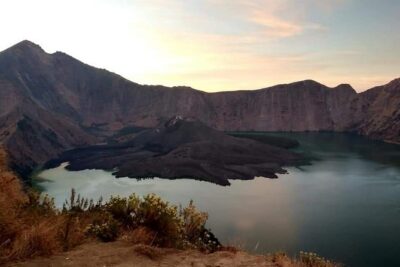
The crater rim, known as Pelawangan Sembalun, is the reward for the long first day. The published altitude is about 2,639 meters, with the general tour description giving approximately 2,600 meters. At this height, the air feels different, and the temperature can drop sharply after sunset.
The final climb to the rim includes a prolonged steep section. This is where trekking poles become useful, especially if the ground is loose or your legs are tired. The tour supplies poles and sticks, but you should still bring shoes with a firm grip. Trekking shoes are not included.
Camping at the rim gives this trip its real character. Dinner, a sleeping tent, a toilet tent, sleeping bags, pillows, mattresses, and camp chairs are included. The porters carry the camping equipment, so your personal load can remain modest.
Sunset from the rim is one of the strongest reasons to choose the overnight format. You get time to sit, eat, and look out across the mountain surroundings instead of racing down before dark. The night itself may be short and cold, so do not expect a full hotel-style rest. Think of the tent as a practical mountain base, not a luxury room.
The support team earns particular credit here. Ialu, the company owner, is described as being personally involved with logistics and the safety briefing before the trek. One guide, Ir, is praised for being friendly, experienced, and supportive. Another useful detail is that Ialu lent a backpack to one participant, though you should not assume that loan is automatically available to every booking.
The 3 a.m. summit push
The second day starts around 2:30 a.m. with a light breakfast. You then set off at about 3 a.m. for the summit, listed at 3,672 meters in the detailed schedule and 3,726 meters in the general description. Because the supplied figures differ, confirm the current route and official summit altitude during your briefing.
The climb takes approximately three and a half hours. You walk in darkness with a headlamp, another included item. The early start is not a gimmick. It gives you a chance to reach the top around sunrise, although exact timing depends on your pace, weather, trail conditions, and rest stops.
This is the hardest part of the entire experience. The summit approach is steep and physically draining. The final section can feel slow because every step takes effort, especially after the previous day’s climb and a short night. A guide who matches your pace is valuable here. Several accounts praise the crew for calm encouragement and steady support rather than pressure.
At the summit, the reward is simple and powerful: you have reached the second-highest mountain in Indonesia, according to the tour description, and you can watch the sun rise over Lombok’s high country. Bring a phone or camera if you want photographs, but protect batteries from the cold and keep your hands warm enough to operate the device.
The summit is not a place to linger forever. After photos and sunrise, you return toward the crater rim and descend to Sembalun village. The return section can be hard on knees and feet. Descending may feel easier than climbing, but loose ground and fatigue demand attention.
What the $195 package really covers
At roughly $195 per person, this is not simply a guide walking beside you. The package includes:
- Trekking guide
- Porters for camping equipment
- Breakfast, lunch, and dinner
- Drinks and safe drinking water
- Camping tent
- Sleeping bags, pillows, and mattresses
- Camp chairs and a toilet tent
- Headlamp
- Trekking poles and sticks
- Insurance
- Two lunches are listed in the inclusions, along with breakfast and dinner
That bundle gives the price solid value if you would otherwise need to rent or buy camping gear and arrange meals separately. Porter support is also important. Carrying a full overnight kit up five demanding hills and then toward the summit would make an already hard trip much harder.
The package does not include trekking shoes, long pants, gloves, a small bag or day pack, tips for guides and porters, travel insurance, or the entrance fee. The fee information is not perfectly clear: one part states Rp200,000 per day per person, while another lists IDR600,000 per person. Ask Rinjani Hero to confirm the current total before paying, since this is a meaningful extra cost.
Group discounts are available, which improves the value for families or friends booking together. Since this is a private activity, only your own group participates. That makes it easier to coordinate breaks, though the mountain still sets the pace. Private does not mean easy.
Still Lombok and Gili, at a slower pace:
- Snorkeling with turtle and statue in Gilis
★ 4.5 · 301 reviews - Anggrek Putih Lombok Cooking Class
★ 5.0 · 253 reviews - Private Snorkeling Gili Island (Coral, Statue and Turtle)
★ 5.0 · 229 reviews - Day Trip 5 Secret Gilis : Layar, Rengit, Nanggu, Tangkong, Kedis
★ 5.0 · 192 reviews
Food, water, and camp equipment
Food is part of the appeal here because you do not need to organize every meal yourself. Breakfast, lunch, dinner, drinks, and safe drinking water are included. The schedule specifically provides a light breakfast before the summit attempt, which makes sense when you are eating at an awkward hour.
Food quality receives warm praise in the available comments, with one participant calling it very good. Do not expect restaurant service at 2:30 a.m., but a reliable meal and water supply can make a major difference on a mountain day.
The double-size tent, sleeping bags, pillows, and mattress offer a basic overnight setup. The camp chairs are a small but welcome touch after hours on your feet. A toilet tent is also included, which adds a measure of privacy at a remote campsite.
You should still pack personal snacks if you have specific energy needs. That suggestion is practical rather than a claim about what the operator supplies. The confirmed inclusions cover meals and drinks, but they do not specify snacks, dietary adaptations, or a full menu.
The human side of the trek
The most consistent strength of this trip is the crew. The available feedback gives strong marks to Rinjani Hero’s organization, with particular praise for friendly guides, hardworking porters, and a safety briefing before departure.
One participant describes the private trip as well organized, with a guide who explained the mountain and the route. Another says the guide adjusted to their pace and offered support throughout the climb. That kind of attention matters far more than polished sales language when you are tired, cold, and facing another steep slope.
The porters also play a central role. They carry the camping equipment and help make the overnight plan possible. Tips are not included, so budget for them separately and ask the operator for current guidance on customary amounts.
The high rating, with 35 reviews and 100 percent recommending the experience, is encouraging. Still, a perfect recommendation rate cannot remove the basic risks of a hard mountain trek. Weather, fatigue, altitude, trail conditions, and personal fitness all affect the day.
Who should choose this trek?
I would recommend this trip to you if you want the shortest practical route to a Rinjani summit attempt and you are comfortable with a demanding schedule. It suits people who value private guiding, porter support, and a sunrise goal more than leisurely walking.
You should have a strong physical fitness level. The first day lasts about seven hours, includes five major hills, and ends with a steep climb to the rim. The second day begins before dawn and includes roughly three and a half hours to the summit, followed by a long descent.
This is a poor match if you dislike exposed sun, steep trails, early mornings, cold camping, or basic mountain facilities. It is also not the right choice if you want time to explore at an easy pace. Two days gives you the summit, but not much spare energy or flexibility.
The private format works best for couples, friends, or families with similar fitness levels. A large gap in ability can create frustration, even with a private guide. Discuss your experience honestly before departure so the guide can plan a sensible pace.
Practical preparation for a better climb
Pack light, but do not treat this as a day hike. You need proper trekking shoes, long pants, gloves, and a small day pack, none of which are included. Warm layers are essential for the crater rim and summit, where the night and pre-sunrise hours can feel very cold.
Use the supplied headlamp, but make sure you know how to carry and operate it. Trekking poles can help on both the steep ascent and the tiring descent. Keep water accessible, even though safe drinking water is provided.
I would also bring sun protection for the open Sembalun section, a phone or camera for sunrise, and enough personal clothing to stay comfortable overnight. The exact gear list should be confirmed with the operator before you leave for Lombok.
A pre-trek briefing is part of the experience and has been praised as useful. Pay close attention. This is the moment to ask about weather, route conditions, the entrance fee, the day pack, meal arrangements, and what happens if you need to slow down.
The cancellation rule is strict. The booking is non-refundable and cannot be changed for any reason, so do not reserve until your dates, fitness, and transport plans are firm. The activity starts and ends at the meeting point in Senaru, North Lombok, although the schedule includes a transfer to Sembalun by mountain vehicle.
Should you book the Mount Rinjani summit trek?
Book it if you want a serious mountain challenge with strong logistical support and a private guide. The combination of crater-rim camping, a pre-dawn summit attempt, porters, meals, equipment, and sunrise views offers good value at $195, even after adding the entrance fee and personal gear.
I would not book it simply because the price looks attractive. The steep hills, exposed heat, cold camp, short sleep, and early summit start demand real preparation. If you can accept those limits, this is a focused and memorable way to tackle Rinjani in two days.
FAQ
How long is the Mount Rinjani trek?
The experience lasts two days and one night, with camping at the Sembalun crater rim before returning to Sembalun village.
Where does the trek start?
The meeting point is in Senaru, Bayan, North Lombok Regency, and the listed start time is 7:30 a.m. You are then transferred to Sembalun village for the trek.
What altitude does the route reach?
The trek reaches the Sembalun crater rim at about 2,639 meters. The summit is listed as 3,672 meters in the detailed schedule and 3,726 meters in the general description.
What time does the summit climb begin?
You wake around 2:30 a.m. for a light breakfast and begin walking toward the summit at about 3 a.m.
Is camping equipment included?
Yes. The package includes a double-size tent, camp chairs, a toilet tent, sleeping bags, pillows, and mattresses.
Are meals and drinking water included?
Yes. Breakfast, lunch, dinner, drinks, and safe drinking water are included. Two lunches are also listed among the inclusions.
Are trekking shoes and clothing provided?
No. You must bring or arrange trekking shoes, long pants, gloves, and a small bag or day pack.
Is the entrance fee included in the price?
No. The entrance fee is listed separately. The supplied information gives both Rp200,000 per day per person and IDR600,000 per person, so confirm the current amount with Rinjani Hero before departure.
Just added around Lombok and Gili
- Full-Day Private Trip to South Lombok★ 5.0 · 15 reviews
- Trekking Rinjani 1 Day Trek Senaru Crater Rim★ 5.0 · 3 reviews
- Waterfall Tour And Sasak Traditional Tour★ 5.0 · 3 reviews
- Trekking Rinjani Mountain Summit 2 Days 1 Night – Em Adventure★ 5.0 · 42 reviews
- Trekking Rinjani Volcano To Crater Rim Senaru 2D-1N Private – Syam Trekker★ 5.0 · 45 reviews
- MODERATE HIKING: 2D/1N Crater Rim Senaru | Rinjani Samalas Tour★ 5.0 · 8 reviews
- Fantastic trip to Sindang Gile & Tiu Kelep Waterfall★ 4.5 · 3 reviews
- Panorama Walking Tour and Culture, West Lombok★ 5.0 · 6 reviews
2-Day Experiences, compared.
2 Days Discover Scuba Diving in Nusa Lembongan – Scuba Initiation
Read our review →
From Surabaya / Malang : Mt Bromo Sunrise – Ijen Blue Fire 2D1N
Read our review →
2Days – Bromo Sunrise Ijen Adventure via Malang
Read our review →
ORANGUTAN TREK (2D/1N) by EcoTravel Bukit Lawang
Read our review →
Monkey Business 2 days – 1 night Jungle Trekking (including rafting)
Read our review →Browse the lists this tour appears in