
Reviewed · HOT SPRINGS
Jakarta: Volcano, Tea/Rice Fields, Hot Spring, Local Food
Indonesia packs a lot into one long day. From Jakarta, this 14-hour small-group trip takes you into West Java for an active volcano, working rice fields, tea gardens, tropical fruit, local food, coffee, and sulfur hot springs. I especially like the mix of outdoor scenery and everyday village life, plus the excellent guides and careful drivers repeatedly praised by guests. The main drawback is the long road time, with roughly three hours each way, and a few stops feel more commercial than local.
This is a packed day, but it has a clear rhythm. You get mountain views, short walks, tastings, and a warm-water break rather than one long trek. I also like that lunch, entrance fees, transport, fruit, water, and a guide are included in the $114 price. The Kopi Luwak stop and modest hot-spring pools are the two parts I would approach with the most caution.
In This Review
- Key points to know before booking
- Why this Jakarta day trip works
- The early drive from Jakarta to Subang
- Subang rice fields and the working countryside
- Tangkuban Perahu and its sulfur crater
- Lembang lunch and a taste of local food
- Kopi Luwak Cikole: interesting coffee, serious ethical questions
- Tea plants, mountain views, and a short walk
- Tropical fruit near the volcano
- Ciater hot springs at the end of the day
- What the $114 price really covers
- Who should book this Java day trip?
- Final verdict: book it for variety, not relaxation
- FAQ
- How long does the tour last?
- Is hotel pickup included?
- What is included in the $114 price?
- What should I bring?
- Is the tour suitable for wheelchair users?
- Can I see an active volcano on the tour?
Key points to know before booking
- Tangkuban Perahu is the headline stop: You can approach an active crater, smell sulfur, see bubbling mud and smoke, and sometimes hear the volcano rumble.
- The day is a food tour as well as a nature trip: Expect honey pineapple, mangosteen, snake fruit, local lunch, and Indonesian coffee.
- The road journey is substantial: Pickup begins around 7:00 to 7:25 AM, and you may not reach Jakarta until 7:00 to 8:00 PM, later on weekends.
- The guides are a major strength: Tio, Rizky, Bryan, Nanda, Vincent, Isabella, Mitchell, and others have been praised for clear English, humor, local knowledge, and thoughtful care.
- The hot springs are more of a soak and foot bath than a grand spa: Pool depth and temperature vary, and some pools only reach calf height.
- This suits active adults who can walk comfortably: It is not suitable for wheelchair users or people with mobility impairments.
Why this Jakarta day trip works
Jakarta is enormous, crowded, and short on quick access to mountain scenery. This trip gives you a way out of the city without arranging several separate rides, entrance tickets, meals, and local stops yourself.
The destination is not Bandung alone. The route reaches Subang, Lembang, the Tangkuban Perahu volcanic area, tea-growing country, and Ciater. That matters because the best part of Java here is the change in scenery. Concrete and traffic give way to rice plots, roadside fruit stands, tea plants, forest, and cool mountain air.
You should expect a busy day rather than a slow retreat. The schedule includes nine main stops, and most visits last between 30 minutes and 90 minutes. That format is useful if you have only one free day, but it leaves little room for lingering.
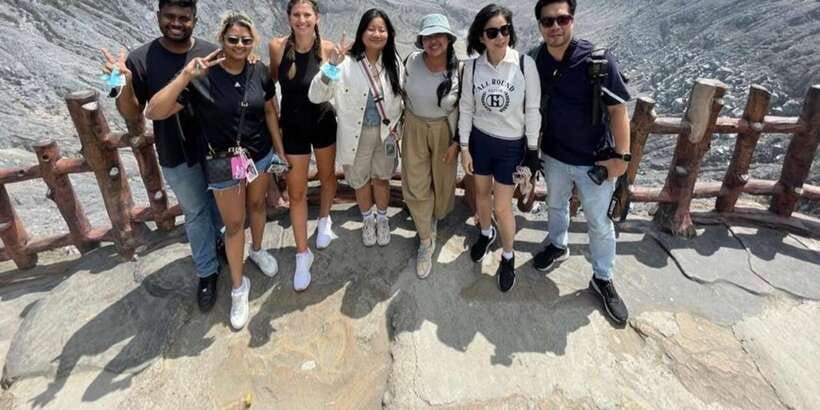
The small-group limit of 10 people helps. You are not being moved around in a huge coach, and the guide can usually answer questions, adjust small details, and help with photographs. Bryan, Rizky, Nanda, Vincent, Isabella, Mitchell, and Tio are among the guides singled out for friendly service, strong English, humor, and detailed explanations.
More Hot Springs in Jakarta:
- Active Volcano, Rice Field, Hot Spring, Fruit market, Tea Plantation with Lunch
★ 5.0 · 513 reviews - Volcano, Hot Spring, Tea Factory, rice fields and Coffee Tour
★ 5.0 · 25 reviews - Mount Batur Sunrise Hike and Natural Hot Spring Option
★ 5.0 · 1,927 reviews
The early drive from Jakarta to Subang
Pickup begins between 7:00 and 7:25 AM at hotels in the Jakarta area. The guide contacts you about 10 minutes before arrival and waits outside the lobby, but only for 10 minutes after the scheduled pickup time. Be ready in the lobby, not halfway through breakfast.
The vehicle is air-conditioned, and the package includes bottled water, tolls, parking, and hotel drop-off. The driver matters here. Jakarta traffic can be tiring, and the mountain roads are curvy. Drivers named Dede, Toto, Tito, Andre, Bobo, Mr. Ruslan, and Om Gun received especially warm praise for calm, safe driving.
The outward drive takes about 2.5 to 3 hours. On a rainy day, the mountain route may take longer. The return drive is listed at around three hours, with arrival generally between 7:00 and 8:00 PM. Weekend traffic can push that later, so do not schedule a flight or important appointment afterward.
Subang rice fields and the working countryside
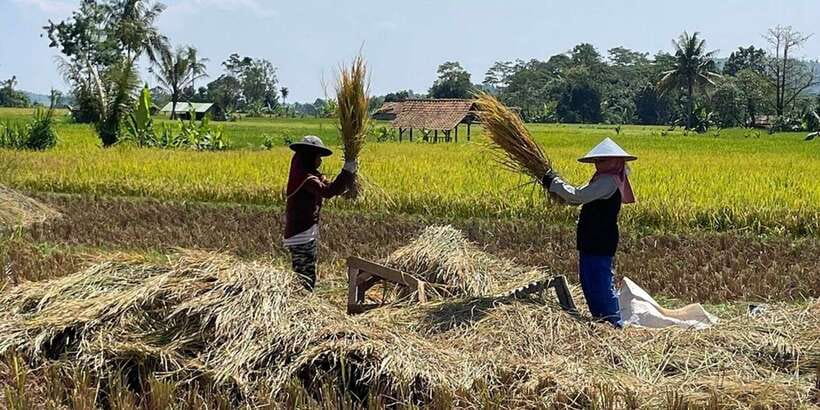
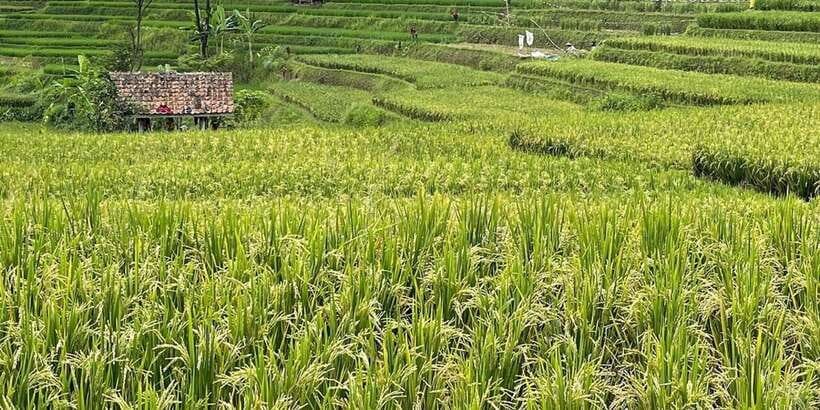
The Subang stop lasts about 30 minutes and offers scenic views, a short walk, and a look at rural Java. The appeal is not a formal attraction with signs and displays. It is the chance to see farmers working in the rice fields and to understand how much effort goes into food production.
You might walk beside fields or stop at a particularly photogenic patch of countryside. The exact view can vary with weather and farming activity. Some people may find the stop too brief, but I think it adds useful context before the more famous volcano.
Your guide can explain local farming and point out what you are seeing. This is one place where a good guide changes the experience. Without explanation, a rice field is simply a pretty green view. With context, you start noticing irrigation, planting, harvesting, and the physical work behind the meal you will eat later.
Wear shoes that can handle uneven ground. Comfortable clothing is also wise, since the day moves between outdoor walks, a restaurant, coffee tasting, and hot water.
Tangkuban Perahu and its sulfur crater

Tangkuban Perahu is the main reason to book this trip. The visit lasts about 90 minutes, including walking, free time, photographs, and scenic views.
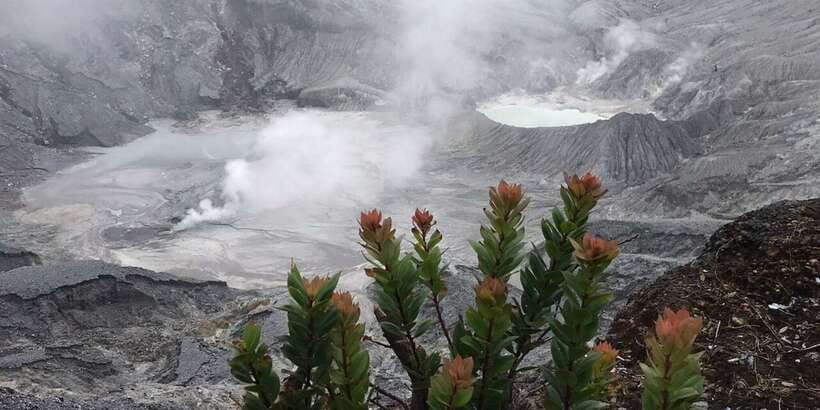
You can get close to an active crater and see smoke, bubbling mud, and sulfur deposits. The smell is unmistakable. Depending on conditions, you may also hear the volcano rumble. That combination of sound, odor, and visible activity makes this more than a viewpoint over a distant mountain.
The surrounding area includes lush rainforest, and wild monkeys may appear nearby. Keep your attention on the crater and your belongings, since the site can also have persistent sellers offering handmade goods and souvenirs. Bring some cash if you want to browse, but a firm no is usually enough when you are not interested.
Weather can change the experience. Clear conditions may give you striking views, while rain or cloud can hide much of the mountain. One visitor had very poor visibility in bad weather but still found the day worthwhile. You should accept that volcanic scenery is partly controlled by the sky.
The volcano area also involves walking on uneven surfaces. This is not a good choice if you need a wheelchair-accessible route or have serious difficulty walking.
More Food and Drink Tours in Jakarta:
- Experience Jakarta Street Food Scene with MRT Transportation
★ 5.0 · 17 reviews - Jakarta Night Tour with Dinner at Café or Food street
★ 5.0 · 16 reviews - Learn to cook Indonesian food at Gili Cooking Classes Trawangan
★ 5.0 · 352 reviews - Small-Group Walking and Food Tour by Night in Yogyakarta
★ 5.0 · 313 reviews
Lembang lunch and a taste of local food
Lunch in Lembang takes about one hour at a local restaurant. A meal is included, so you do not need to budget separately for it.
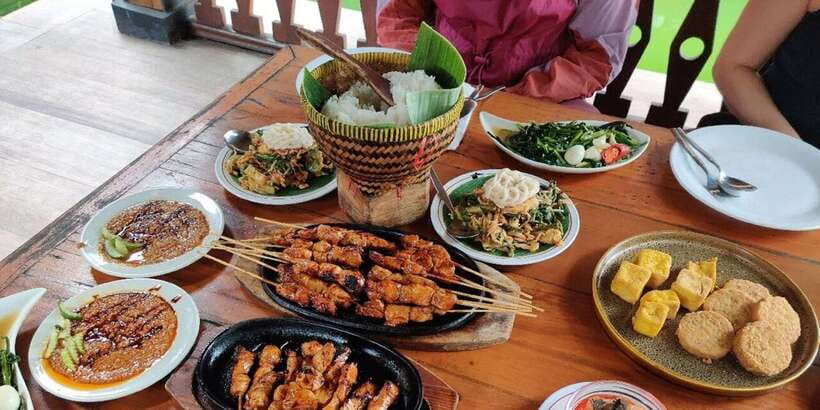
The food has received mixed but generally positive impressions. Some people found it delicious and more than expected, while one detailed assessment found the meal heavy on fried food and short on flavor beyond the kangkung, or water spinach. That is useful to know. Indonesian cooking is broad and exciting, but a group meal designed for convenience may not show its full range.
If you have dietary needs, tell the guide early. Rizky accommodated a plant-based request, which suggests the team can respond when given clear notice. Still, do not assume every preference will be handled automatically. Say what you can and cannot eat at pickup.
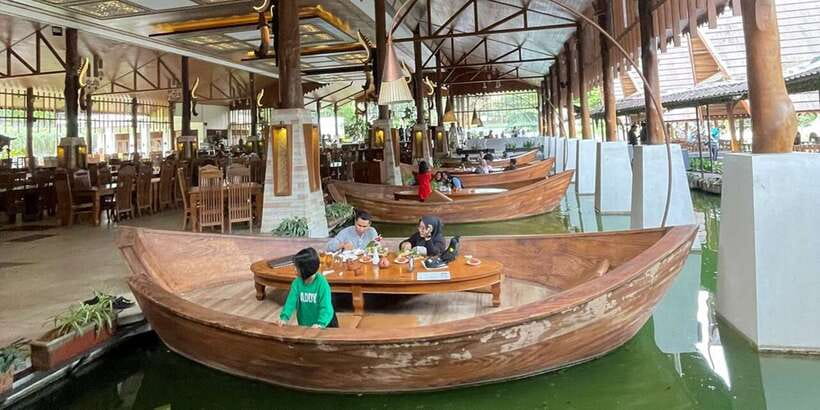
The restaurant itself has been described as clean and attractive, with fast service. At busy times, seating may be limited, and a distinctive boat-style table may not be available. Think of lunch as a practical cultural stop, not a carefully planned fine-dining event.
Kopi Luwak Cikole: interesting coffee, serious ethical questions

The coffee stop lasts about an hour and introduces you to a famous Indonesian coffee product. You can see coffee plants and beans, then hear about cultivation, processing, different coffee types, and claimed benefits.
Coffee fans will find the explanation useful, especially if you have never seen the plant before. The guide can connect the drink in your cup with the work of growing, harvesting, and processing coffee. Some visitors considered the coffee excellent, while others found the presentation less authentic and ended up with coffee made from a packet.
The larger concern is the luwak display. The stop includes caged animals, and several people felt the enclosures were too small or that some animals appeared unusually calm. I would treat this as an ethical issue, not a minor detail. If animal welfare is important to you, ask the guide what the visit includes and decide in advance how comfortable you are with it.
This stop is also the least convincing part of the day for anyone seeking a fully local, low-commercial experience. You can still learn about coffee, but do not expect an untouched farm visit.
Tea plants, mountain views, and a short walk
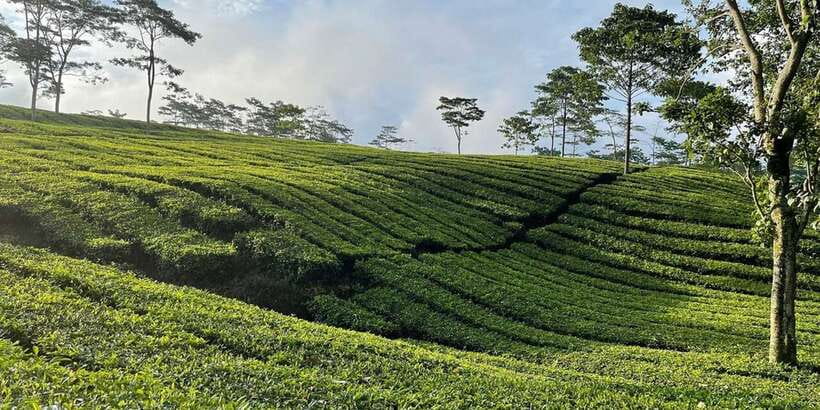
The tea plantation near Ciater Cagak is a 30-minute photo and walking stop. The plants spread across the slopes, and the mountain setting gives you a different view from the volcanic crater.
Your guide explains tea cultivation, picking, types, and the place of tea in local agriculture. The stop is short, so you are getting an introduction rather than a full working-farm tour. In practice, you may stop at a scenic section of plantation, walk around, and take photographs.
That brevity is both a strength and a weakness. You can see the countryside without committing to another long hike, but you will not have time to study the whole process in detail. I would bring a light layer because mountain weather can feel cooler, especially when clouds and rain arrive.
Tropical fruit near the volcano
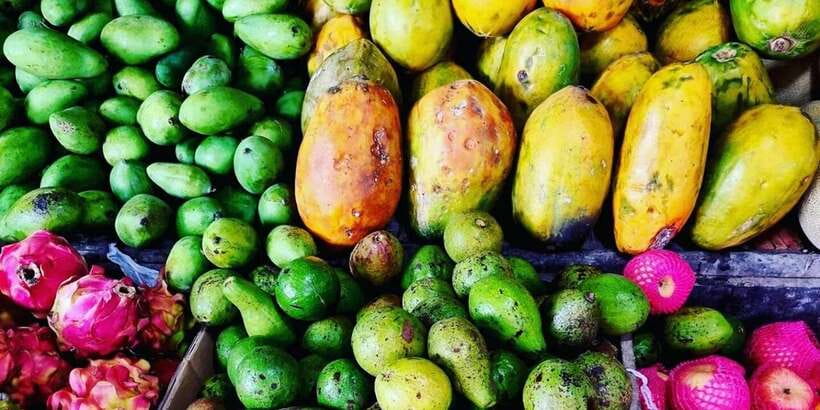
The fruit tasting is one of the most charming parts of the day. At Fruit Paradise, you get about 30 minutes to sample local produce, including honey pineapple, mangosteen, and snake fruit.
The honey pineapple has become a favorite detail for many people on this trip. It is sweet, fragrant, and memorable enough that the guide may offer another handpicked pineapple before the drive back to Jakarta. Snake fruit, also called salak, has a scaly skin and a sharp outer texture, so open it carefully. Mangosteen brings a softer, sweet-tart flavor and is a good introduction to a fruit not commonly found in many Western markets.
This stop feels personal when the guide explains what you are eating instead of simply handing you a plate. It also gives you a welcome break from the vehicle. If you enjoy food markets and unfamiliar produce, this may be one of your favorite sections.
Ciater hot springs at the end of the day
The final major stop is Sari Ater Hot Springs Ciater, where you have about an hour for free time and swimming. The water is warm and sulfur-infused, and the setting makes sense after a long day of walking and driving.
Some pools have different temperatures, and the heat can be very strong. The facilities are not one vast deep pool. Several areas may only reach calf height, so the experience can feel more like a series of soaking pools or foot baths than a full-body swim.
A local body or foot massage may also be available as part of the visit. This is a pleasant way to loosen up, but keep your expectations practical. One person found the hot springs not worth the stop, while another considered them the perfect ending. Your enjoyment will depend on how much you like warm-water bathing and how much depth you need.
Bring a towel and a full change of clothes. The tour specifically advises both. You should also bring comfortable clothes that are easy to change in and out of after the soak.
What the $114 price really covers
At $114 per person, this is not the cheapest way to see the Bandung area. It is also not simply a volcano transfer. The fee includes hotel pickup and drop-off, air-conditioned transport, an English-speaking guide, bottled water, tolls, parking, volcano admission, hot-spring admission, other entrance fees, fresh fruit, and lunch.
That package has real value. Booking separate transport from Jakarta, a driver for mountain roads, entrance tickets, meals, and a local guide could quickly become complicated. The small group and included costs make the price easier to justify, especially for a solo visitor or couple who want a full day without negotiating every ride.
The value is weaker if you dislike packed schedules or already have transport in Bandung. You are paying for convenience and variety, not long visits at each place. The long return drive is also part of the cost in time.
The tour allows free cancellation up to 24 hours before departure and lets you reserve without paying immediately. Those terms help if your Jakarta plans are still shifting, but the practical rule remains simple: do not put a flight on the same evening.
Who should book this Java day trip?
I would recommend it most strongly to first-time visitors who want a broad introduction to West Java in one day. You get nature, food, farming, coffee, a volcano, and hot springs without having to arrange a complicated route.
It also suits solo visitors. The group is limited to 10, and the guides make a real effort to keep people comfortable and included. Several solo guests described feeling at ease, even when they were initially nervous about joining a group.
Families with older children may enjoy the variety, but walking ability matters more than age alone. This is not suitable for wheelchair users or people with mobility impairments, and the provider lists it as unsuitable for people over 70 and over 80. The uneven paths, long vehicle hours, and early start can be demanding.
You should skip it if your priority is a quiet spa day, a serious volcano trek, or a deeply ethical coffee-farm visit. The hot springs are modest, the volcano may be clouded over, and the luwak stop raises concerns about animal enclosures.
Final verdict: book it for variety, not relaxation
I would book this tour if you have one free day from Jakarta and want to see how quickly Java changes beyond the capital. The volcano is the clear star, but the fruit, rice fields, tea plants, local lunch, and friendly guides give the day much more character than a simple crater visit.
Choose it with realistic expectations. You will spend many hours in the vehicle, the tea and rice stops are brief, lunch may be basic, the hot-spring pools vary in depth, and Kopi Luwak Cikole may feel commercial. Still, the combination of included costs, skilled drivers, English-speaking guides, and a small group makes $114 fair for a carefully arranged day.
Bring sturdy shoes, a towel, spare clothes, cash for optional purchases, and patience for Jakarta traffic. If you want a full and varied taste of West Java rather than one polished attraction, this is a strong choice.
FAQ
How long does the tour last?
The tour lasts about 14 hours. Pickup begins between 7:00 and 7:25 AM, and return to Jakarta is usually between 7:00 and 8:00 PM, with possible delays on weekends.
Is hotel pickup included?
Yes. Pickup and drop-off are included for hotels in the Jakarta area. The guide contacts you about 10 minutes before reaching your hotel and waits outside the lobby.
What is included in the $114 price?
The price includes air-conditioned transport, an English-speaking guide, bottled water, volcano and hot-spring entrance tickets, other entrance fees, lunch, fresh fruit tasting, tolls, and parking.
What should I bring?
Bring comfortable shoes, comfortable clothes, a towel, and a change of clothes. The extra clothing is especially useful after visiting the hot springs.
Is the tour suitable for wheelchair users?
No. The experience is not suitable for wheelchair users or people with mobility impairments. It is also listed as unsuitable for people over 70 and over 80.
Can I see an active volcano on the tour?
Yes. At Tangkuban Perahu, you can approach an active crater and may see smoke, bubbling mud, and sulfur. You might also hear the volcano rumble, although visibility and activity can vary with weather and conditions.
More Spa Sessions in Jakarta
- Body Massage Experience in Ubud Traditional Spa
★ 5.0 · 3,506 reviews - Ubud Hot Springs and Waterfall Private Guided Tour
★ 5.0 · 719 reviews - Mount Batur Jeep Tour and Hot Spring
★ 5.0 · 524 reviews - Mt Batur Sunrise, Breakfast & Natural Hot Springs
★ 5.0 · 458 reviews
Just added around Jakarta
- Volcano and Domas Crater of Hot Stony Bubble from Jakarta Lunch★ 5.0 · 23 reviews
- Situ Gunung Waterfall & Suspension Bridge Sukabumi start Jakarta★ 4.5 · 13 reviews
- The Secret Society of Batavia – Walking Tour★ 5.0 · 4 reviews
- Soekarno Hatta International Airport by Plaza Premium Lounge★ 4.0 · 46 reviews
- Private Tour: Half Day Jakarta Old City Tour★ 4.0 · 4 reviews
- Jakarta Scooter Lessons and Motorcycle Lessons★ 5.0 · 9 reviews
- Jakarta Indonesian Culture in half Day★ 5.0 · 50 reviews
- DAY TRIP TO BANDUNG CITY From Jakarta★ 5.0 · 9 reviews
Hot Springs, compared.

Mount Batur Sunrise Hike and Natural Hot Spring Option
Read our review →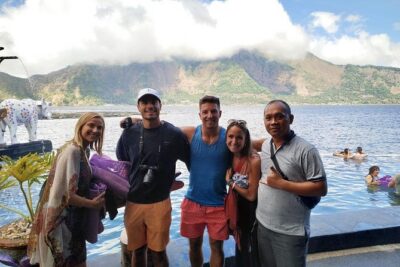
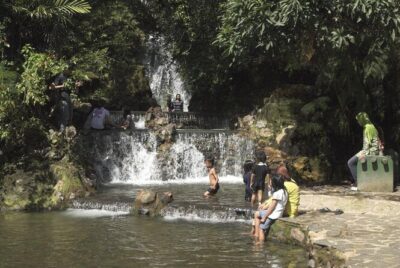
Ubud Hot Springs and Waterfall Private Guided Tour
Read our review →
Active Volcano, Rice Field, Hot Spring, Fruit market, Tea Plantation with Lunch
Read our review →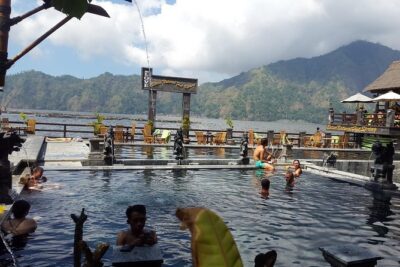
Mt Batur Sunrise, Breakfast & Natural Hot Springs
Read our review →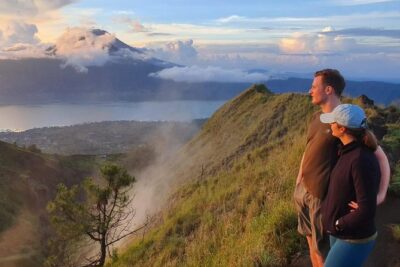
Private Tour Mount Batur Sunrise Trekking and Natural Hot Spring
Read our review →
Mount Batur Sunrise Hike, Breakfast & Hot Spring
Read our review →
Mount Batur Sunrise Jeep Tour with Natural Hot Spring
Read our review →Browse the lists this tour appears in