
Reviewed · LABUAN BAJO TOURS
Flores Overland Tour
Flores rewards the curious. This six-day overland journey crosses East Nusa Tenggara from Maumere toward Labuan Bajo, linking volcanic lakes, traditional villages, mountain roads, beaches, hot springs, coffee country, and the remarkable Wae Rebo trek. I like the way it puts local life and outdoor sights on equal footing, and I like that transport, lodging, meals, entrance fees, and airport pickup are bundled into one price.
The main tradeoff is time on the road. You will cover a lot of Flores, but some days involve several hours in the vehicle, and the early start for Kelimutu plus the Wae Rebo hike demands reasonable fitness. At $1,220.44 per person, the tour makes the most sense if you value private transport, a guide, included meals, and a carefully arranged route more than the freedom of traveling independently.
In This Review
- Six details that define this Flores journey
- Why cross Flores by road
- Day 1: Maumere, Koka Beach, and ikat weaving
- Day 2: Kelimutu at dawn, Blue Stone Beach, and Soa hot springs
- Day 3: Bena village, Aimere arak, and the road to Ruteng
- Day 4: Manggarai coffee and the Cancar spider-web fields
- Day 5: The demanding walk into Wae Rebo
- Day 6: From Wae Rebo to Labuan Bajo
- Guides, drivers, and the human side of the trip
- What the $1,220.44 price really covers
- Who should book this route?
- FAQ
- Where does the Flores Overland Tour start?
- Where does the tour end?
- How long does the tour last?
- Is the tour private?
- What meals are included?
- Is the Wae Rebo trek difficult?
- Are flights included?
- Should you book the Flores Overland Tour?
Six details that define this Flores journey
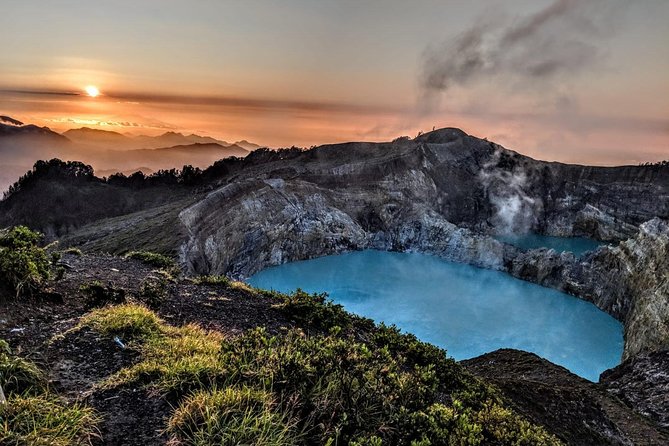
- Kelimutu before sunrise: Leave around 4 a.m. from Moni to reach the cratered lakes in the cool early light.
- A real cross-island route: Travel from Maumere through Moni, Bajawa, Ruteng, and Wae Rebo before ending in Labuan Bajo.
- Traditional Flores up close: Visit Lepo Lorun’s ikat weaving center, Bena village, Aimere’s arak production area, and the Cancar rice fields.
- A proper mountain trek: Reach Wae Rebo from Denge by motorbike and then on foot along a 5-kilometer mountain trail.
- Meals and transport included: Air-conditioned transport, accommodation, fuel, parking, admission fees, mineral water, six lunches, five breakfasts, and five dinners are covered.
- Private but expandable: Your own group takes part, with room to add people up to a maximum of 12, and group discounts may be available.
Why cross Flores by road
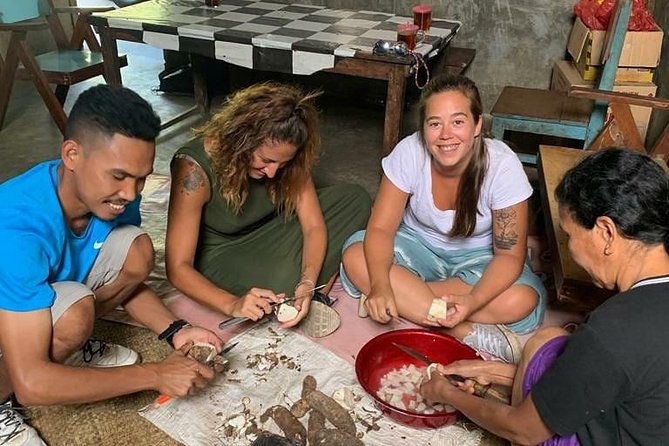
Flores is not a place you visit only for one famous attraction. Its appeal comes from the changing scenery and the people you meet between the headline stops. This route lets you move from the south coast and highland villages to western Flores, rather than staying in one resort area.
The road journey is also part of the experience. You pass through small towns, farming areas, mountain country, and places where local crafts and food still matter in daily life. The vehicle is air-conditioned, which is useful on long transfers, and fuel, parking, and admission fees are already included.
That convenience comes with less independence. You will follow a fixed schedule, and the road distances mean you cannot linger everywhere. If you prefer to stop whenever you see an interesting roadside view, a self-drive trip may give you more freedom, though it would also require arranging your own vehicle, driver, lodging, meals, and local guides.
The tour is private for your group, although it can accommodate as many as 12 people. That is a good arrangement for families or friends who want shared costs without joining a large coach. Ask about the final group size before paying, since the feel of the trip will change greatly between two people and 12.
A few more East Nusa Tenggara trips worth comparing
- Exclusive Early Bird Komodo Tour: Beat the Crowds by Speed Boat
★ 5.0 · 1,038 reviews - Early Bird Speedboat Group Tour : Explore Komodo Ahead of Crowds
★ 5.0 · 87 reviews - Rangko Cave & Beach Snorkeling Half Day Sharing Trip Labuan Bajo
★ 4.5 · 86 reviews
Day 1: Maumere, Koka Beach, and ikat weaving
Pickup is scheduled for 7 a.m. at Waioti Airport in Maumere. The airport has reopened after a period of closure, so confirm the pickup details close to departure in case arrangements change. The tour information also indicates that starting options can involve Maumere or Labuan Bajo, but the stated meeting point for this version is Maumere.
The first drive heads toward Moni, with a stop at Lepo Lorun for ikat weaving. This is one of the strongest cultural stops on the route because you see the work from its beginning rather than simply browsing finished cloth. You can learn how the material is prepared and processed, and you gain a better sense of the time and skill behind a patterned textile.
The route also includes Koka Beach before continuing to Moni. Koka is presented as a scenic coastal stop, giving you a change from the road and a chance to enjoy Flores’s shoreline. The transfer to Moni takes less than two hours after the beach, according to the schedule.
Moni is a small town below Kelimutu’s crater lakes. It mainly serves as the overnight base for the national park, so do not expect a major town with a long list of evening activities. Past accounts of the tour have praised the scenic places to stay overall, while Moni received a less favorable mention from one person. That makes this a night to judge by its location and early access to Kelimutu, not by hotel luxury.
Day 2: Kelimutu at dawn, Blue Stone Beach, and Soa hot springs
The morning begins around 4 a.m. You drive for less than an hour to the Kelimutu base, then walk along a properly established track toward the crater lakes. Bring walking shoes, trousers, a jacket, and a raincoat. The temperature can be cool before sunrise, and the raincoat is practical protection in a mountain area where conditions can shift.
Kelimutu is the emotional high point for many people on the first half of the journey. The crater lakes are famous for their changing colors, but the useful thing to know is that the experience begins before breakfast and requires a short hike in darkness. You need to be comfortable with an early alarm and uneven ground. The exact viewing conditions can depend on cloud and weather, so keep your expectations flexible.
After Kelimutu, the route continues toward Blue Stone Beach through Ende. The drive takes about two and a half hours. The beach is known for its unusual blue stones, which give it a different character from a standard sandy beach. The stop lasts about an hour and is included in the tour price.
You then continue toward Mengeruda Hot Spring near Soa, north of Bajawa. This is not only a photo stop. You can swim in the natural hot spring, which has been equipped with swimming facilities. After the cool dawn and long road transfer, an hour in warm water is a welcome break.
The day finishes at Manulalu Panorama, sometimes described as Heaven’s Door. The appeal is the view toward Mount Inerie, the sea, surrounding scenery, and nearby traditional architecture. The schedule gives this stop a long visit, potentially extending into the overnight stay. It is a fine place to slow down after a packed day, though Day 2 is undeniably demanding.
Day 3: Bena village, Aimere arak, and the road to Ruteng
You leave Manulalu around 9 a.m., which gives you a more humane morning after the Kelimutu start. The principal stop is Bena Traditional Village, described as the oldest and largest traditional village in Flores.
Bena is valuable because it connects the scenery to the living culture of the island. You are not just looking at old buildings. You can learn about the village’s traditional layout and the communities that maintain it. A guide makes a real difference here, especially if you want context about local customs rather than a quick walk through the settlement.
After Bena, the route goes to Aimere, a small town south of Bajawa. Aimere is associated with traditional production of arak, a local palm wine. Flores is known for regional variations of arak, and each area may have its own methods and character. The stop lasts about an hour and is listed as free admission, though you should still follow the guide’s advice about appropriate behavior and sampling.
The next major transfer leads to Ruteng, a mountain city and a commercial center for Manggarai. Its market is a useful window into ordinary life, since farmers bring crops there for sale. This is one of those stops that may be less dramatic than a crater or famous village, but it helps you understand how communities work beyond the scenic highlights.
The schedule gives Ruteng a long stretch, potentially including the overnight stay. That is sensible because the town breaks up the route and prepares you for the next day’s countryside visits.
Still East Nusa Tenggara, at a slower pace:
- 3D2N Sailing Komodo Living on Board Fiday to Sunday (Labuan Bajo)
★ 4.5 · 81 reviews - 3 Days Deluxe Boat Private Cabin Sailing Trip in Komodo Island
★ 5.0 · 44 reviews - Pauls Flores Tour Labuan Bajo to Ende Flores Land Tour inland by Car 6 Days
★ 5.0 · 38 reviews - Komodo Private Boat tour 3Days 2 Night
★ 4.5 · 36 reviews
Day 4: Manggarai coffee and the Cancar spider-web fields
Coffee lovers have a good reason to look forward to Ruteng. The area is associated with Manggarai coffee, which received an award in France in 2018. The itinerary includes a visit to a home industry where you can see how coffee is processed and packed.
The value here is the small scale. You are not simply buying a bag at a shop. You can see the work behind a local product and ask questions through the guide. If coffee matters to you, ask how much time is available for this stop and consider buying directly if purchases are offered.
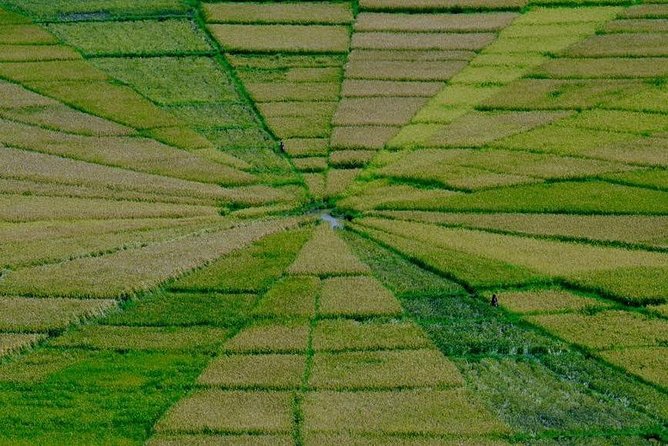
The route then heads to Cancar to see the spider-web rice fields. Their shape comes from the way paddy land is divided among families in the community. From the viewing point, you walk for about five minutes to see the pattern.
This is a brief stop, listed at around 20 minutes, so it is best treated as a focused viewpoint rather than a long rural walk. The fields also depend on season and farming conditions. Even so, the arrangement gives you a glimpse into land use and family organization, not only a pretty photograph.
Day 4 is less packed with major attractions than Day 2, but that is part of its strength. You have time to understand Manggarai through coffee, markets, farming, and the road itself. The route still includes substantial driving, so keep the day relaxed.
Day 5: The demanding walk into Wae Rebo
Wae Rebo is the most physically serious part of the tour. After breakfast, you drive to Denge, the last village before the trek. From there, you take a motorbike to the first post and continue on foot for about 5 kilometers along a mountain trail.
The supplied guidance calls for moderate physical fitness, and that should be taken seriously. Wear proper walking shoes and clothing suited to a mountain trail. The route is not presented as a casual stroll, and the early motorbike transfer adds a distinctly local touch before the hike begins.
Wae Rebo’s importance is cultural as well as scenic. The village is a remote highland settlement, and reaching it under your own power gives the visit more weight than arriving by road. Your guide and local support team can help you understand the place respectfully, including how to behave in the village.
The Wae Rebo portion is best for people who are happy to trade comfort for access. You should not book it if you want a purely vehicle-based holiday or if a 5-kilometer mountain trek would be a problem. The tour’s high praise for local guides, including Irwan on a separate Wae Rebo trip, points to the value of having someone who can manage communication and local customs.
Day 6: From Wae Rebo to Labuan Bajo
The final day takes you out of Wae Rebo and toward Labuan Bajo. The route includes a stop at Wae Rebo Lodge in Dintor for lunch and a shower, followed by about four hours of driving to Labuan Bajo.
That shower stop is more important than it may sound. After the mountain route and an overnight in the Wae Rebo area, a chance to wash, eat, and reset makes the final transfer much easier. Labuan Bajo is the western endpoint and a major base for trips into Komodo National Park, though a Komodo boat excursion is not included in this six-day overland package.
The finish in Labuan Bajo is useful if you plan to continue with a separate boat trip or fly onward. Domestic flights are not included, so you will need to arrange those yourself. The activity ends in a different location from its Maumere starting point, which is convenient for a one-way island crossing but important to note when planning flights.
Guides, drivers, and the human side of the trip
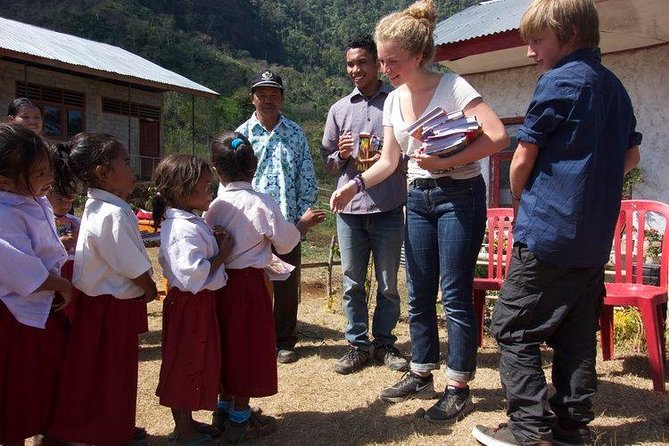
The strongest personal praise connected to this route centers on the guides and drivers. Names associated with especially warm feedback include Erland, Yani, Ino, Venan, Mus, Andot, and Syaris. Descriptions of Andot emphasize careful driving, while Erland received praise for explaining Flores and looking after a solo participant.
That matters here. Flores roads involve long transfers, and a calm driver is not a minor detail. You will spend many hours in the vehicle, so communication, patience, and safe driving can shape the whole trip.
The company contact, Irwan, has also been described as quick and easy to communicate with. Ask in advance who your guide and driver will be, especially if a particular language ability or experience matters to you. The quality of the trip depends heavily on the people assigned to your group.
What the $1,220.44 price really covers
At $1,220.44 per person, this is not a budget backpacker transfer. But the price includes a great deal:
- Air-conditioned vehicle
- Fuel surcharge, parking, and admission fees
- Accommodation
- All listed taxes and fees
- Mineral water
- Six lunches
- Five breakfasts
- Five dinners
- Airport pickup
The value improves as your group grows, especially if group discounts apply. A couple pays more per person than a larger private group, but you also avoid arranging separate drivers, hotels, meals, entrance tickets, and local connections across six days.
The package does not include travel insurance, tips, beer or wine, or domestic flights. Budget separately for those costs. Tipping is not included, so carry some local cash if you wish to thank guides, drivers, or local support staff.
The meal count suggests a nearly full-service route, but you should still confirm what happens on transfer days and whether dietary requests can be handled. The information specifically lists meals, not a detailed menu.
Who should book this route?
I would choose this tour if you want Flores’s cultural side as much as its scenery. It suits you if you enjoy villages, weaving, coffee, local drinks, markets, farming areas, and long conversations with guides, along with Kelimutu and the hot springs.
It also fits active visitors who can handle the 4 a.m. start and the Wae Rebo trek. Families with older children may manage it well, but the group should be comfortable with long drives and a moderate mountain walk.
I would hesitate if you want a slow beach holiday, luxury lodging, or complete control over each day. The route is tightly packed, and the long road sections are unavoidable. You should also think carefully about the one-way arrangement from Maumere to Labuan Bajo and make sure your onward flight or Komodo plans match the finish.
The cancellation rule is fairly firm: cancel at least three full days before the local start time for a full refund. Changes made inside that window are not accepted, so confirm your flights and group size before the deadline.
FAQ
Where does the Flores Overland Tour start?
The stated meeting point is Waioti Airport in Maumere, Flores, with pickup at 7 a.m. The tour information also says the trip can start in Maumere or Labuan Bajo, so confirm your exact starting point before booking.
Where does the tour end?
The route ends in Labuan Bajo after the drive from Wae Rebo. It does not return to Maumere.
How long does the tour last?
The experience lasts approximately six days. The itinerary runs from Day 1 pickup in Maumere through Day 6 arrival in Labuan Bajo.
Is the tour private?
Yes. Only your group participates, and you can add people up to a maximum of 12.
What meals are included?
The package includes six lunches, five breakfasts, and five dinners, along with mineral water.
Is the Wae Rebo trek difficult?
The tour requires a moderate level of physical fitness. The Wae Rebo section includes a motorbike ride from Denge to the first post and a 5-kilometer mountain trek.
Are flights included?
No. Domestic flights are not included. Travel insurance, tips, and beer or wine are also excluded.
Should you book the Flores Overland Tour?
Book it if you want to see Flores through its roads, villages, crafts, food, mountains, and people, not just tick off one attraction. The route brings together Kelimutu, Bena, Aimere, Ruteng, Cancar, and Wae Rebo in a practical one-way journey, with meals and transport handled for you.
Skip it if long drives, an early morning, or a mountain trek would spoil your holiday. For the right person, this is a strong value: not because every hour is easy, but because six days gives you a genuine cross-island look at Flores with a private vehicle and local support.
Just added around East Nusa Tenggara
- 3 Days Deluxe Boat Private Cabin Sailing Trip in Komodo Island★ 5.0 · 44 reviews
- Komodo Private Boat tour 3Days 2 Night★ 4.5 · 36 reviews
- Shared Trip Sailing Komodo 3D2N★ 5.0 · 9 reviews
- Maumere to Labuan Bajo Flores Overland Tour 7 Days Car Trip★ 5.0 · 21 reviews
- Pauls Flores Tour Labuan Bajo to Ende Flores Land Tour inland by Car 6 Days★ 5.0 · 38 reviews
- Flores Tours : 2 Days amazing Kelimutu Lake tour★ 5.0 · 3 reviews
- 3D/2N Komodo Tour by Private Boat for 10 pax★ 5.0 · 16 reviews
- Early Morning Private Komodo Speedboat Tour★ 5.0 · 23 reviews
Labuan Bajo Tours, compared.
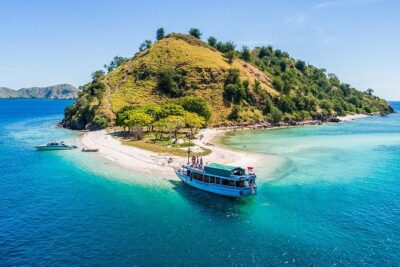
Exclusive Early Bird Komodo Tour: Beat the Crowds by Speed Boat
Read our review →
Full Day Trip to Explore 6 Destinations in Labuan Bajo and Komodo
Read our review →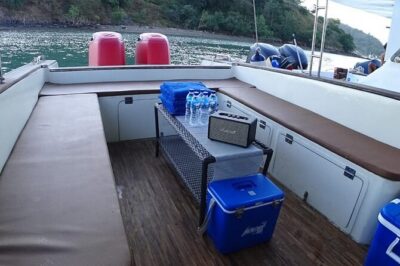
Early Bird Speedboat Group Tour : Explore Komodo Ahead of Crowds
Read our review →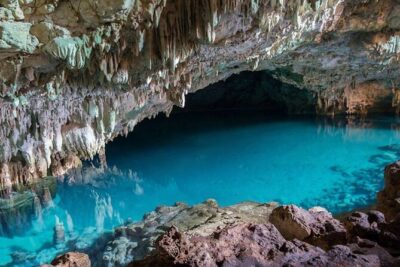
Rangko Cave & Beach Snorkeling Half Day Sharing Trip Labuan Bajo
Read our review →
3D2N Sailing Komodo Living on Board Fiday to Sunday (Labuan Bajo)
Read our review →
Private boat trip Komodo 2 or more person for 3 days 2 nights, Kelor, Rinca…
Read our review →
Full Day Komodo Tour With Hey Bali Info Visit 6 Spot
Read our review →Browse the lists this tour appears in