
Reviewed · NUSA ISLANDS TOURS
Advanced Open Water Course – Advanced Certification in Lembongan (next to Bali)
Five scuba sessions, two busy days, plenty to learn. This SSI Advanced Open Water course in Nusa Lembongan is a practical next step after basic certification, with training in deeper water, underwater navigation, and three chosen specialties. I like the small maximum group of five and the chance to shape the course around your interests. The main consideration is that this is an active two-day program, not a casual boat outing, and you need Open Water certification before starting.
I also like that the course puts less weight on classroom theory than the entry-level program. Instructors such as Kaka, Sara, Silvère, Hugo, and Valentin have received strong praise for being patient, warm, careful, and clear. The trade-off is the price, $431.28 per person, which is a serious expense, though the package includes equipment, an instructor, and all five training sessions.
In This Review
- Key points to know before booking
- Why this course works after Open Water certification
- What the two days are really about
- Crystal Bay and the deeper-water lesson
- Manta Point and the realities of an active course
- Mangrove Point and learning to find your way
- Toyapakeh and your three chosen specialties
- Jungut Batu Beach and the return to the center
- What $431.28 gets you
- The instructors and teaching style
- Who should book, and who should think twice
- Booking details and cancellation advice
- Final decision: is the Lembongan advanced course worth it?
- FAQ
- Do I need Open Water certification first?
- How long does the course take?
- How deep can I train during the course?
- What skills are included?
- What equipment is provided?
- Is accommodation included?
- Does the price include food and photos?
- What happens if bad weather cancels the course?
Key points to know before booking
- Five training sessions in two days: You complete one deep-water session, one navigation session, and three specialty sessions.
- Depth training to 100 feet: The course prepares you for scuba activity down to about 30 meters under SSI standards.
- Small groups matter: A maximum of five people allows closer attention from your instructor.
- Choose specialties that fit you: Options include photography, buoyancy control, fish identification, and wreck exploration.
- Useful facilities at the center: Wi-Fi, lockers, toilets, showers, a changing room, and a restaurant are available.
- Nusa Lembongan base: The center is in Jungutbatu, with sessions listed around Crystal Bay, Manta Point, Mangrove Point, Toyapakeh, and Jungut Batu Beach.
Why this course works after Open Water certification
Basic certification teaches you how to manage yourself underwater. The Advanced Open Water course helps you become more comfortable making decisions in different conditions. You are not simply repeating the same beginner exercises. You are learning how depth, navigation, buoyancy, and special interests change the way you plan a session.
You must already hold Open Water certification. The course can be taken soon after that qualification, so it suits someone who wants to keep building skills rather than leave scuba behind for months.
The SSI approach is described as mellower and less theory-centered than the beginner course. That does not mean there is nothing to study. You still learn how to plan a deeper session, understand the physical effects of greater depth, and use a compass with more control. But the focus is on applying those lessons in the water.
I see this as a good fit if you prefer learning by doing. You choose three specialty areas with your instructor from a longer list of Adventure Dives. That makes the course more personal than a fixed sightseeing trip.
A few more Nusa Lembongan trips worth comparing
- Open Water Course in Nusa Lembongan – Get Certified on remote island (next Bali)
★ 5.0 · 864 reviews - 2 Days Discover Scuba Diving in Nusa Lembongan – Scuba Initiation
★ 5.0 · 506 reviews - 5 Fun Dives in Nusa Lembongan (for certified divers) – Swim with a Mola Mola
★ 5.0 · 205 reviews
What the two days are really about
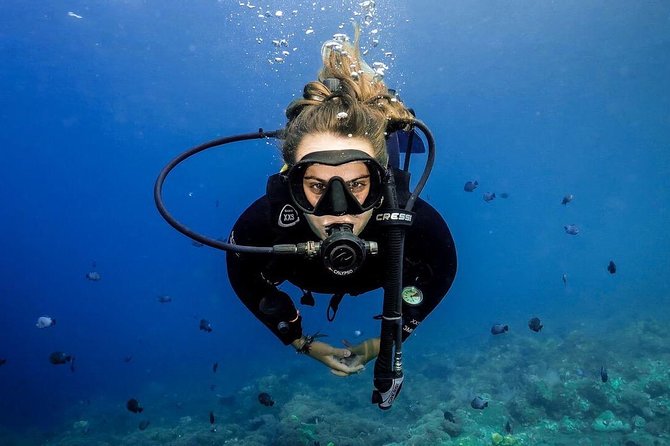
The exact order can depend on conditions and instructor planning, but the course includes five separate training sessions. Two are required skill areas: the Deep Adventure Dive and the Underwater Navigation Adventure Dive. The other three are selected around your interests.
The deep session takes you close to 100 feet, or 30 meters. You learn how to plan for deeper water and consider the physical effects and challenges that come with greater depth. This is not simply about reaching a number on a gauge. It is about learning that deeper scuba requires more thought before you enter the water.
The navigation session works on compass use, kick cycles, visual landmarks, and time. These skills help you make better judgments about where you are and how far you have gone. Underwater navigation can feel less obvious than navigation on land, so this part has clear practical value.
Your three chosen specialties could include photography, buoyancy control, fish identification, or wreck exploration. The point is not to become a specialist in two days. Instead, you get a controlled introduction to different ways of improving your technique and deciding what you want to study next.
Crystal Bay and the deeper-water lesson
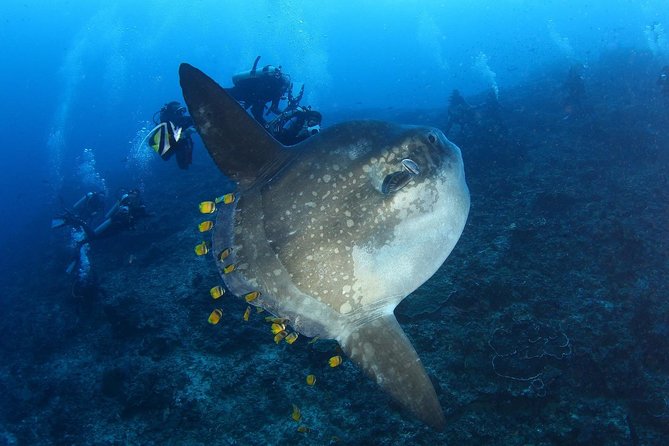
Crystal Bay is one of the named stops for the course. Here, the important question is not just what you might see. The site is part of a structured training program, so your instructor may use it for a particular lesson depending on the day’s plan and sea conditions.
The deeper session gives you a chance to work on planning and physical awareness in a real setting rather than only discussing them on land. You will need to pay attention to your instructor, your equipment, your depth, and your air use.
This is where the small group can make a difference. With no more than five people, your instructor has a better chance of watching how you handle each task. Past students have singled out Kaka, Valentin, Hugo, Sara, and Silvère for careful instruction and personal attention, although your assigned instructor will depend on availability.
A practical tip: do not treat the deep session as a contest. The value comes from understanding the extra planning involved, not from reaching the maximum depth as quickly as possible.
Manta Point and the realities of an active course
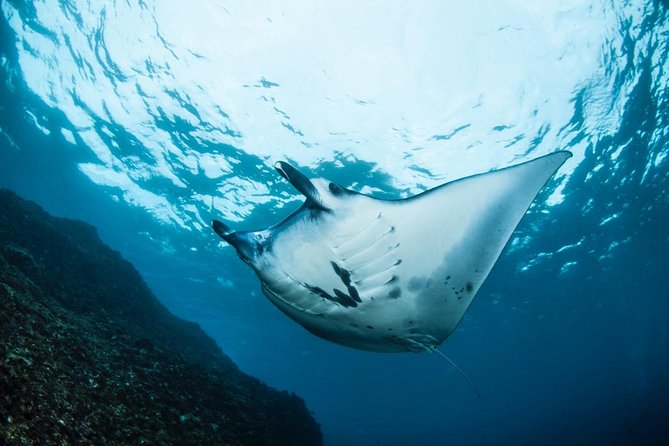
Manta Point is another planned location. Its name hints at one of the area’s major attractions, but this course should not be booked as a guaranteed animal encounter. The supplied details promise training sessions at named locations, not a specific marine life sighting.
That distinction matters. You are paying for instruction and certification, not a wildlife guarantee. If you see interesting marine life, it is an added pleasure. The main goal remains skill development under professional supervision.
Manta Point also helps show why conditions matter. The course requires suitable weather, and a session may be moved or canceled if conditions are poor. If that happens, you are offered another date or a full refund.
The course suits you best if you have enough flexibility to allow for changes. It is less suitable if you have a tightly packed island schedule and must finish at a fixed hour.
Still Nusa Lembongan, at a slower pace:
- 7 Fun Dives in Nusa Lembongan (for certified divers) – Premium Value Package
★ 5.0 · 118 reviews - Lembongan Snorkeling at Manta Bay, Crystal Bay and Mangrove
★ 5.0 · 56 reviews - Lembongan Electric Bike tour
★ 5.0 · 56 reviews - 2 or 3 dives in Nusa Lembongan and Penida, for certified diver (in Lembongan)
★ 5.0 · 28 reviews
Mangrove Point and learning to find your way
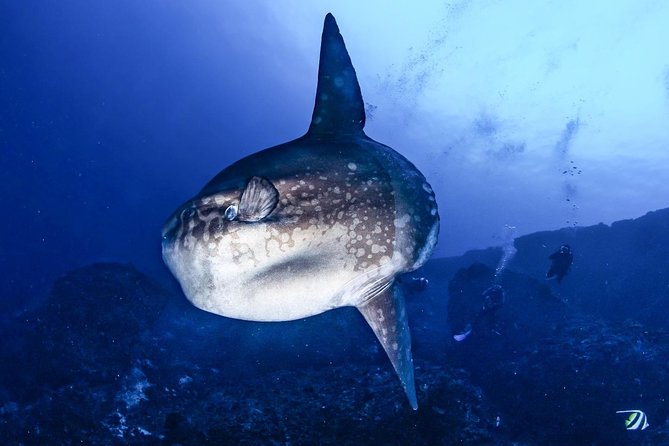
Mangrove Point at Nusa Lembongan is listed as one of the course stops. It connects well with the navigation session because the lesson is built around more than a compass alone.
You work with compass headings, kick cycles, visual landmarks, and elapsed time. Each tool gives you a different way to estimate your position. If one reference becomes less useful, the others can help you make a better decision.
This part of the course has value beyond the certification card. A compass is useful, but underwater navigation also depends on observing your surroundings and keeping track of how long and how far you have traveled. That combination is what helps turn a basic skill into a dependable habit.
The course description does not promise a specific route or exact schedule at Mangrove Point. Your instructor will plan the lesson according to the conditions and the selected training goals.
Toyapakeh and your three chosen specialties
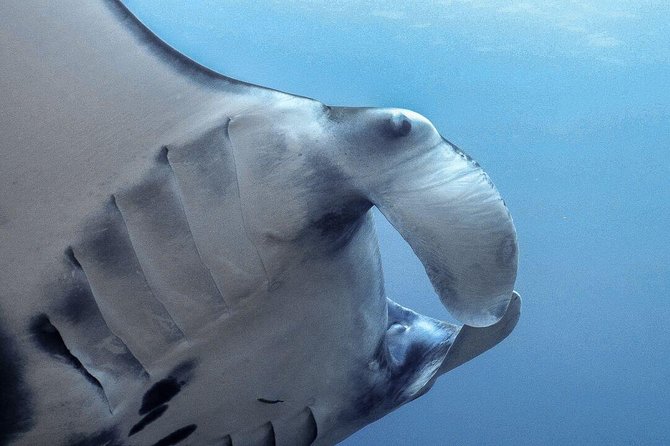
Toyapakeh is included among the five named stops. Like the other locations, it forms part of a training itinerary rather than a sightseeing route with a fixed list of attractions.
This may be where one of your selected specialties is taught, though the details are decided with your instructor. Photography is a natural choice if you want to learn how to manage a camera while controlling your position. Buoyancy control is useful if you want to use less energy and move with more precision. Fish identification adds an observation element, while wreck exploration appeals to people who enjoy underwater structure and history.
The important point is to choose skills that match your future plans. If you want more relaxed underwater movement, buoyancy control may be the most useful. If you want to pay closer attention to marine life, fish identification could be a better fit. If you already own or plan to use a camera, photography may be tempting, but remember that handling equipment adds another task.
Ask your instructor how each option will be taught before you commit. The course allows choice, but the available specialties and the final order are not specified in advance.
Jungut Batu Beach and the return to the center
Jungut Batu Beach is both a named stop and the home area for the dive center. Dive Concepts Lembongan is at Jungutbatu, Nusa Lembongan, and the activity begins and ends there.
The center provides the practical basics you want before and after a session: masks, snorkel, fins, a buoyancy control jacket, regulator, other instruments, wetsuit, and weight belt. You also get access to Wi-Fi, toilets, a shower, lockers, and a changing room.
Those facilities matter more than they may sound. Two active days can involve changing clothes, storing valuables, rinsing off, and waiting between sessions. A locker is useful, while the shower and changing room save you from having to return to your accommodation after every session.
There is also a restaurant at the center, but food and drinks are at your own expense. Accommodation is not included either, though dormitory beds and bungalows are available at the center.
What $431.28 gets you
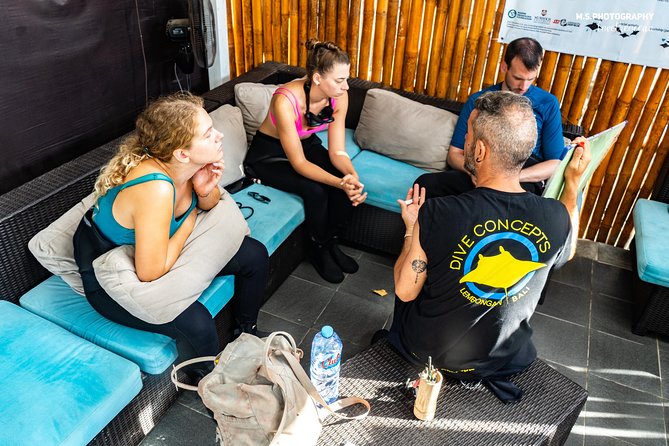
At $431.28 per person, this is not the cheapest way to spend two days in Nusa Lembongan. But the price includes the full equipment setup, an instructor, and five training sessions. You are also paying for supervision while learning skills that require proper control and judgment.
The small group limit improves the value. A maximum of five people is more reassuring than a large class where you may spend much of the session waiting for attention. It does not guarantee a private course, but it gives the instructor a reasonable chance to observe each person.
The facilities add convenience, though they should not be mistaken for included meals or lodging. You will need to budget separately for restaurant purchases, accommodation, and any digital photographs or videos.
I would compare this price with other recognized training centers in Nusa Lembongan before paying. Still, if the other options use larger groups or charge extra for equipment, this package may prove fair. Its strongest value is the combination of instruction, gear, and five different learning goals over two days.
The instructors and teaching style
The most consistent praise goes to the instructors’ attitude and care. Kaka is described as warm, professional, and very good at explaining skills. Sara is praised for making the course both fun and useful. Silvère is noted for patience and for helping a beginner feel safe and confident.
Hugo has been described as patient and passionate, especially during a quiet December period. Valentin is praised for creating a relaxed feeling while maintaining strong attention to safety.
These details suggest a center with a friendly teaching culture, but you should not assume a particular instructor will lead your course. Instructor assignment can change. If you have a preference, ask when booking, though a request may not be guaranteed.
The less theory-heavy format may suit you if long classroom sessions are not your favorite. Still, do not mistake a relaxed tone for a casual approach. The deep and navigation sessions involve real skills, and you should be prepared to listen closely and follow instructions.
Who should book, and who should think twice
This course suits you if:
- You already hold Open Water certification.
- You want to continue training soon after your first qualification.
- You prefer practical instruction to long theory sessions.
- You want to explore several specialty areas before choosing a future path.
- You are comfortable with a moderate level of physical activity.
- You can allow for weather-related schedule changes.
It may not suit you if you are looking only for easy sightseeing. Five training sessions in two days require attention and energy. You also need to be comfortable learning under supervision and following a planned program.
The experience is not described as suitable for people with no prior certification. If you have not completed Open Water training, you need to do that first.
Booking details and cancellation advice
The center operates every day from 8:00 AM to 8:00 PM. Confirmation is sent within 48 hours of booking, subject to availability.
You can cancel for a full refund if you do so at least 24 hours before the start time. Cancellations or changes made less than 24 hours ahead are not refunded or accepted. Since weather can affect the program, keep some flexibility in your schedule. If poor conditions cause the center to cancel, you are offered another date or a full refund.
Service animals are allowed. The activity calls for moderate physical fitness, so you should consider whether two active days in the water match your current condition.
Final decision: is the Lembongan advanced course worth it?
I would recommend this course if you want a genuine step beyond basic certification, rather than another casual ocean outing. The five-session format gives you a useful mix of depth work, navigation, and personal interests. The small group cap, included equipment, and strong record of patient instruction also support the price.
Book it if you already hold Open Water certification, want to train soon, and can manage a flexible two-day schedule. Think twice if you need guaranteed wildlife sightings, fixed timing, or accommodation and meals included.
For the right person, this is a sensible way to build confidence and find the specialty that deserves your next course.
FAQ
Do I need Open Water certification first?
Yes. You must already be Open Water certified before beginning the Advanced Open Water course.
How long does the course take?
The course lasts approximately two days and includes five training sessions.
How deep can I train during the course?
The course prepares you to scuba to depths of up to 100 feet, or 30 meters, under SSI certification standards.
What skills are included?
The required areas include a Deep Adventure Dive and an Underwater Navigation Adventure Dive. You also choose three other specialty areas with your instructor.
What equipment is provided?
The package includes a mask, snorkel, fins, buoyancy control jacket, regulator, other instruments, wetsuit, and weight belt.
Is accommodation included?
No. Accommodation is not included, though dormitory beds and bungalows are available at the dive center.
Does the price include food and photos?
No. Restaurant purchases and digital souvenir photos or videos cost extra.
What happens if bad weather cancels the course?
If poor weather causes cancellation, you are offered another date or a full refund.
Just added around Nusa Lembongan
- Sound Bath Healing Journey on the Island of Nusa Lembongan★ 4.5 · 12 reviews
- PADI Open water Course in Lembongan – Get certified & dive anywhere in the world★ 5.0 · 16 reviews
- Try Diving in Nusa Lembongan – Penida. For beginners (with 2 ocean dives)★ 5.0 · 20 reviews
- Snorkeling Manta Ray in Nusa Lembongan★ 3.5 · 7 reviews
- Lembongan Snorkeling at Manta Bay, Crystal Bay and Mangrove★ 5.0 · 56 reviews
- Nusa Penida Private Car Charter★ 5.0 · 4 reviews
- Three Islands Snorkeling (3 Spots) Manta Rays – From Lembongan★ 4.5 · 5 reviews
- Lembongan and Ceningan Island Tour★ 4.5 · 17 reviews
Nusa Islands Tours, compared.
Nusa Penida by Private Boat – Snorkeling 4 spots, Swim with Mantas + Land Tour
Read our review →
Open Water Course in Nusa Lembongan – Get Certified on remote island (next Bali)
Read our review →One Day Nusa Penida Island West with Snorkeling
Read our review →
2 Days Discover Scuba Diving in Nusa Lembongan – Scuba Initiation
Read our review →
5 Fun Dives in Nusa Lembongan (for certified divers) – Swim with a Mola Mola
Read our review →
Nusa Penida Two Dives Trip for Certified Divers
Read our review →
Two fun dives morning trip (Certified Divers only)
Read our review →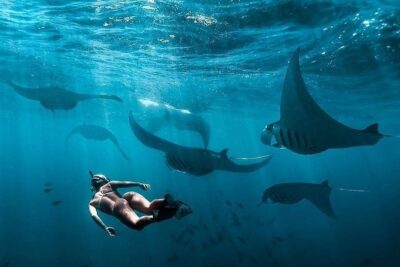
Browse the lists this tour appears in